
Volver al blog
Artículo
Advantages and Disadvantages of Prefabricated Buildings
Admin 18 de septiembre de 2026
The advantages of prefabricated buildings include cost and time savings, reliable quality, excellent environmental performance, short construction periods, controllable quality, and ease of maintenance; the disadvantages include poor sound insulation, quality risks, waterproofing issues, cost impacts from materials and transportation, design limitations, and increased maintenance costs.
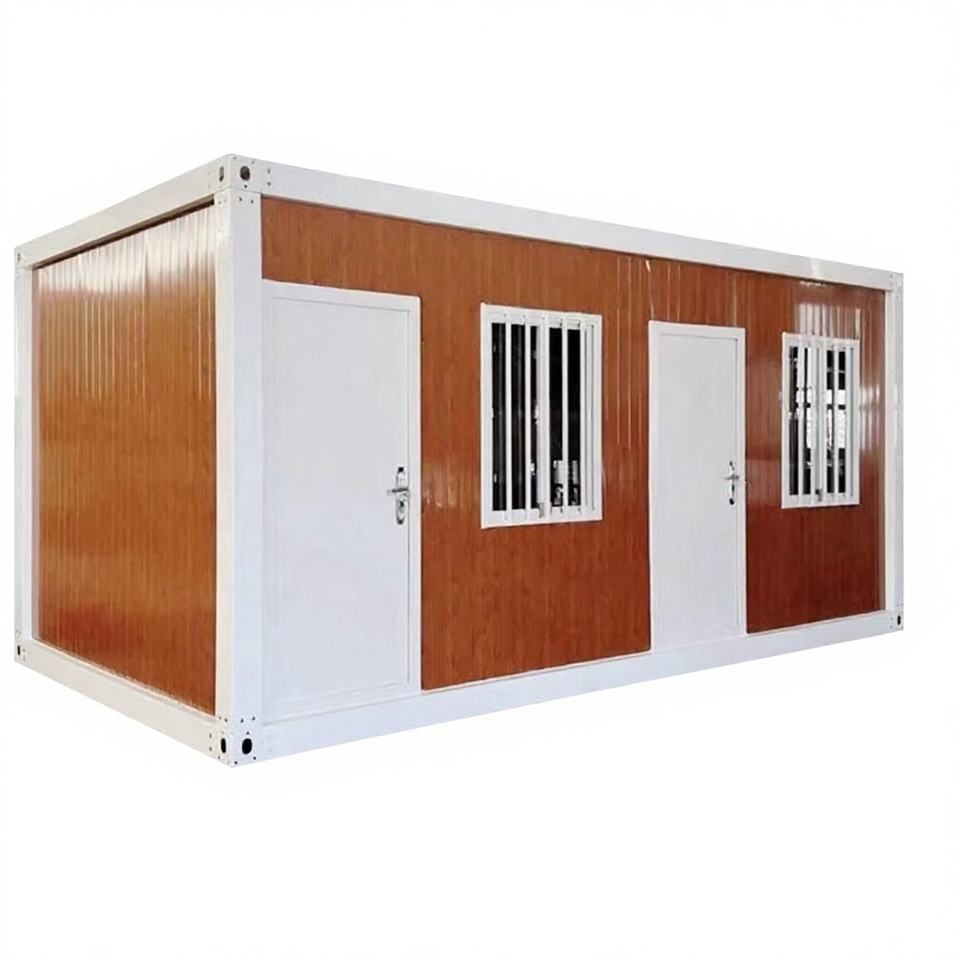
Advantages:
- Cost and Time Savings: Factory production reduces material waste by about 30% and shortens construction periods by 50% to 70%. For example, prefabricated houses in rural Henan cost around 300 yuan per square meter and can have their main structures assembled in as little as two hours; large-scale production reduces material costs by 20% to 40% and labor costs by about 60%.
- Reliable Quality: Prefabricated components are produced using high-precision molds for standardization, with concrete strength exceeding that of traditional construction. They have passed seven-level earthquake simulations, and new prefabricated houses using reinforced concrete integral pouring techniques can achieve eight-level earthquake resistance, extending their service life to seventy years.
- Excellent Environmental Performance: The use of recyclable materials reduces construction waste by 80%, with material recycling rates exceeding 90%; carbon emissions are halved, and some projects have received international certifications.
- Short Construction Period: Compared to traditional construction methods, modular construction can shorten construction periods by more than 60%. For example, a public housing project in Shenzhen, Guangdong, reduced its completion and delivery time from 2.5 to 3 years to just 1 year.
- Controllable Quality: Each 'building block' has a detailed 'ID card,' including project name, product model, and production date. The position of each steel bar is precisely located, with errors and precision controlled in millimeters.
- Ease of Maintenance: Post-construction maintenance costs are 40% lower than those of traditional houses.
Disadvantages:
- Poor Sound Insulation: Sound insulation is 20 decibels worse, making it easy to hear noises from upstairs; centimeter-thick prefabricated panels have poor sound insulation.
- Quality Risks: If construction is not standardized, there is a 7% chance of foundation settlement or wall cracks within five years. Construction in low-temperature environments is more prone to issues, with some cases seeing maintenance costs accounting for a quarter of the original construction cost after five years.
- Waterproofing Issues: The seepage rate at joints is nearly double that of traditional buildings, requiring regular leak-proofing treatments.
- Cost Impacts from Materials and Transportation: After cement price increases, prefabricated houses are only 5% cheaper than traditional buildings; transportation to remote areas can account for 5% of total costs.
- Design Limitations: Currently limited to buildings of two stories or less, with exterior facades prone to color differences. After five years, there may be 15% to 20% color differences, requiring frequent maintenance.
- Increased Maintenance Costs: Annual maintenance costs increase by 1,500 to 3,000 yuan after 20 years.
Relacionados



