
Prefabricated Box House
Prefabricated box houses generally refer to container houses, which are movable and reusable modular building products with features such as rapid installation and multi-story combination, widely used in various scenarios.
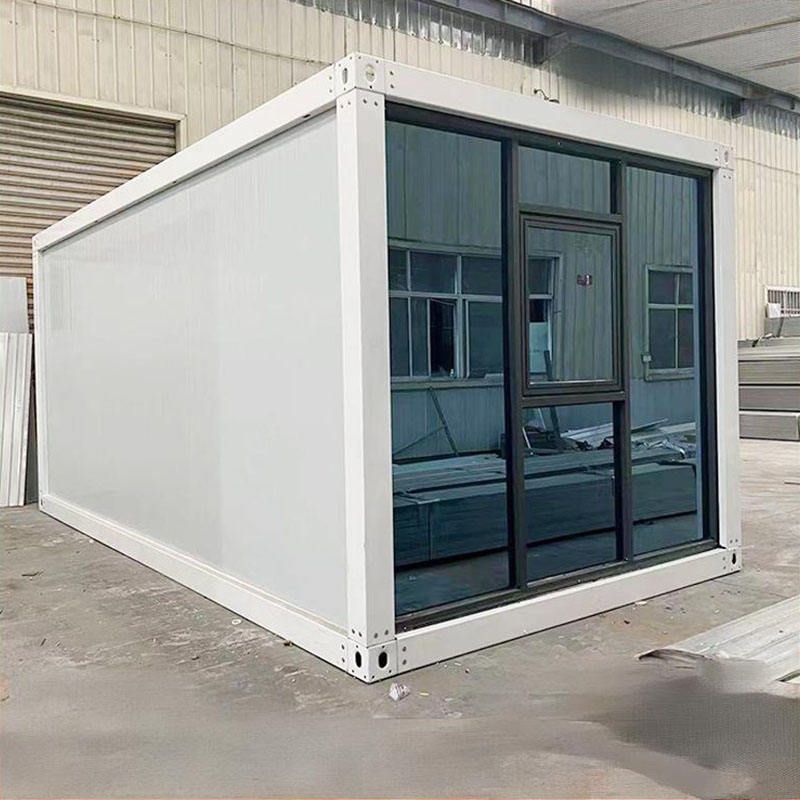
I. Definition and Origin Prefabricated box houses are constructed using standardized container units combined through steel frame structures and bolt connections. Their prototype can be traced back to the practice of transforming old shipping containers into temporary housing. On December 13, 2013, Brighton, UK, first adopted them as a solution to the housing crisis, marking their transition from temporary use to systematic building products.
II. Structural Classification Based on structural differences, prefabricated box houses are classified into three types:
- Traditional Container-Modified Box Houses: These are directly modified from discarded shipping containers, retaining the original frame structure. They are cost-effective but have limited spatial flexibility.
- Newly Welded Modular Container Houses: These use newly welded steel frames, allowing customization of size and layout according to needs. They have higher structural strength and are suitable for multi-story combinations or long-term use scenarios.
- Demountable Modular Container Houses: These achieve modular assembly and disassembly through bolt connections, allowing volume compression during transportation to reduce logistics costs. They are suitable for temporary projects requiring frequent relocation.
III. Application Scenarios Their rapid deployment characteristics make them ideal choices in multiple fields:
- Temporary Office Spaces: Such as construction site project offices and emergency command centers, they can be quickly set up to meet basic office needs.
- Tourist Resort Homestays: Through creative designs (e.g., two-story steel-structured villas, Apple Pod mobile houses), they blend into natural landscapes, providing differentiated accommodation experiences.
- Smart Waste Stations: Their modular structure facilitates the integration of sorting equipment, enabling standardized construction of environmental protection facilities.
IV. Market Types and Prices The market offers a rich variety of products, with prices varying significantly based on specifications and functions:
- Economy Type: Foldable container houses (temporary housing for construction sites) cost approximately ¥473.22, meeting basic living needs.
- Mid-Range Type: Creative internet-famous two-story steel-structured villas cost around ¥475, balancing aesthetics and practicality.
- High-End Type: Export-oriented foldable container movable panel houses cost up to ¥3040, using higher-standard materials and craftsmanship, suitable for export or long-term use scenarios.
Prefabricated box houses, through modular design and standardized production, balance cost, efficiency, and functionality, becoming an important branch in the modern construction field.



