
Portable Toilet
A portable toilet is a facility that can be moved as a whole, providing temporary or fixed toilet services to the public.
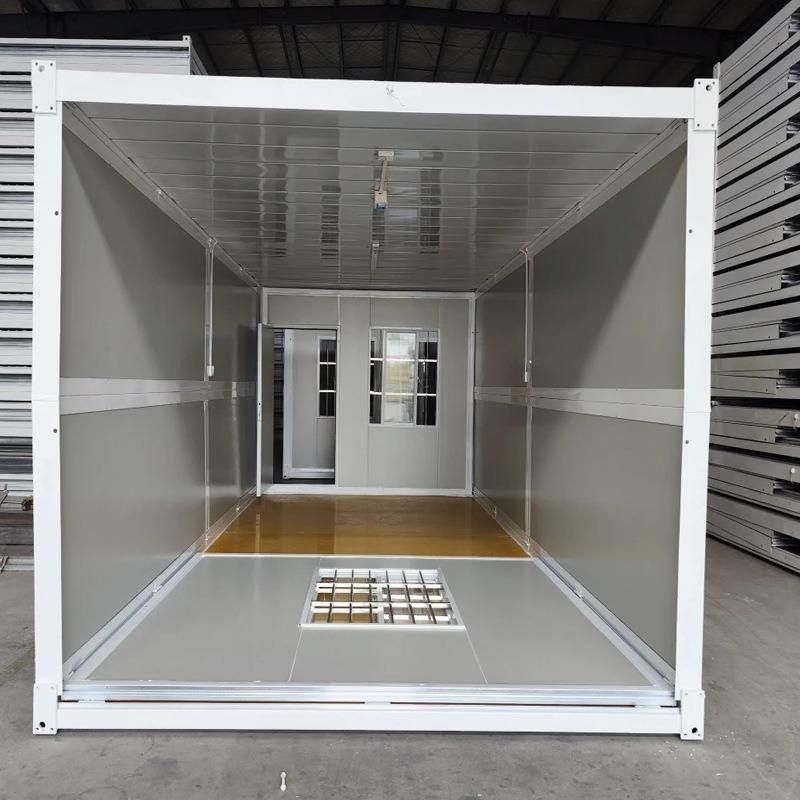
I. Applicable Places Portable toilets are suitable for a variety of scenarios, including stations, docks, tourist attractions, villa areas, newly built residential areas, large construction sites, squares, and bustling commercial streets—areas with dense populations or concentrated temporary needs. Their flexibility makes them an ideal choice for outdoor activities, emergency rescues, temporary exhibitions, and other scenarios, enabling rapid deployment and meeting basic sanitation needs.
II. Structural Components Modern portable toilets typically consist of the following core components:
- Fecal sewage storage and treatment system: This includes storage tanks or waterless flushing suction devices. Some high-end models are equipped with recirculating water flushing or dry-packing technology to achieve zero sewage discharge or resource utilization.
- Main frame: Made of lightweight, high-strength materials such as fiberglass-reinforced plastic and polyethylene, replacing traditional wood. This significantly improves corrosion resistance and airtightness, reducing odor diffusion.
- Sanitary facilities: Integrated with basic equipment such as toilets, washbasins, and water tanks. Some models are also equipped with showerheads to meet diverse needs.
- Mobile device: Equipped with universal wheels or a towing structure at the bottom, supporting manual handling, mechanical lifting, or vehicle towing to adapt to different terrains and transportation conditions.
III. Classification Methods
- By structural form: Divided into single-unit structures (independent units) and composite structures (modular combinations), with the latter allowing capacity expansion through splicing.
- By mobility method: Includes lifting-type (requiring lifting equipment), handling-type (manual or small machinery), powered-type (with built-in drive systems), and towing-type (connected to vehicles for transportation).
- By sewage treatment: Includes water-flushing type (requiring a water source and sewage pipes), waterless flushing suction type (regular fecal removal), recirculating water-flushing type (filtered and reused), and dry-packing type (using biodegradable bags to collect excreta).
IV. Core Advantages
- Portability: Can be quickly deployed to areas without fixed toilets and removed after the event, avoiding resource waste.
- Combinability: Modular design supports the splicing of multiple units to form temporary toilet clusters, addressing large-scale crowds.
- Environmental friendliness: Dry-packing and recirculating water-flushing technologies reduce water consumption, aligning with sustainable development concepts.
- Economy: Compared to traditional brick-and-mortar toilets, construction costs are lower, and they can be reused, offering significant long-term benefits.
V. Innovative Practices Some individuals or teams have created homemade portable toilets using materials such as water storage barrels and wooden boards. By installing universal wheels, cutting barrels as fecal storage containers, and adding toilets and shower equipment, they achieve low-cost solutions. Although simple, such designs embody the core logic of “flexible adaptation” in portable toilets, providing references for scenarios with limited resources.



