
Volver al blog
Artículo
Portable Toilet Standard: Types, Features & Buying Tips
Admin 12 de noviembre de 2026
The portable toilet standard covers types, features, and buying tips, as detailed below:
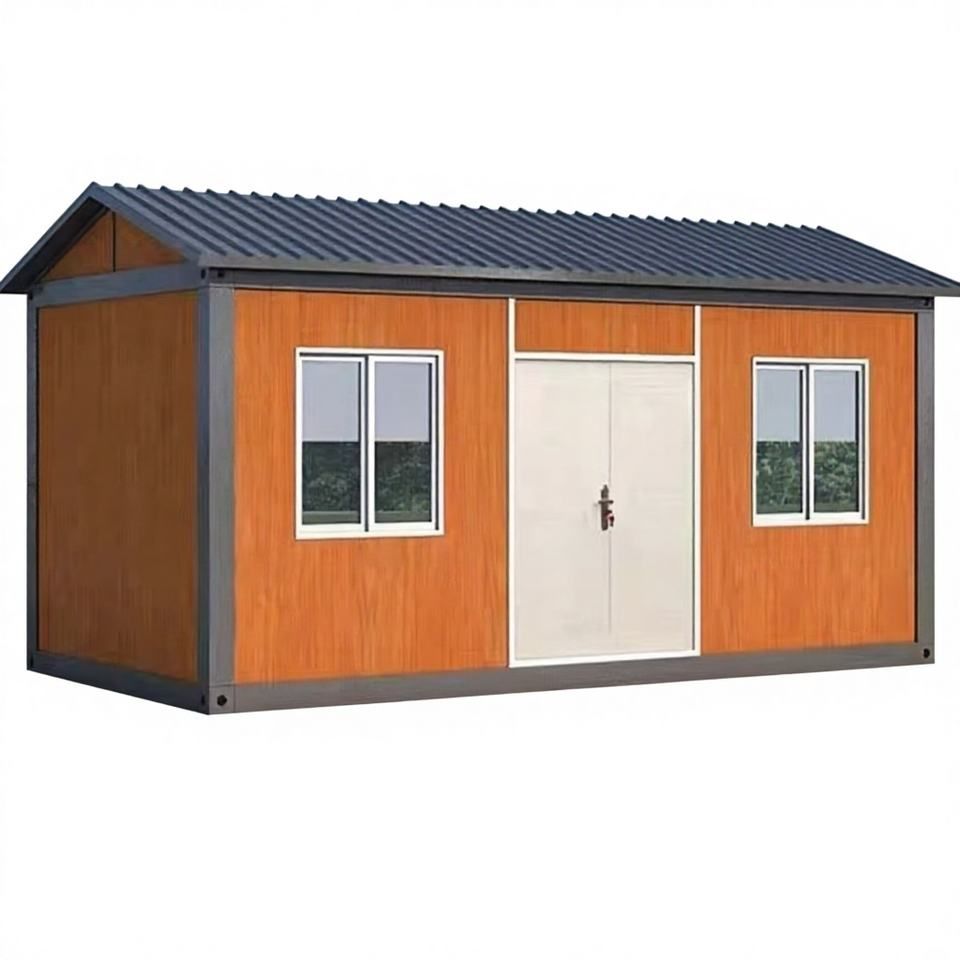
I. Types of Portable Toilets
Portable toilets are classified based on structure, mobility, and wastewater treatment methods:
- By Structure
- Single-Unit Portable Toilets: Simple in structure, suitable for small-scale scenarios (e.g., family camping), but with limited functional expandability.
- Composite-Structure Portable Toilets: Integrate multiple modules (e.g., sinks, storage cabinets), ideal for large events or long-term use, such as music festivals and construction sites.
- By Mobility
- Lifting and Handling Types: Rely on lifting equipment or manual handling, suitable for short-term use at fixed locations (e.g., emergency relief).
- Powered and Trailer Types: Equipped with engines or towing devices, capable of autonomous movement, suitable for touring events or remote areas.
- By Wastewater Treatment Method
- Flush and Non-Flush Suction Types: Flush types require a water connection for high cleanliness; non-flush types rely on chemical agents to decompose waste, suitable for water-scarce environments.
- Recirculating Flush Types: Reuse water through filtration systems, environmentally friendly and water-saving, but with higher maintenance costs.
- Dry Packing Types: Waste is directly packed into biodegradable bags, requiring no wastewater treatment, suitable for extreme environments (e.g., deserts, high-altitude areas).
II. Core Features of Portable Toilets
- Materials and Durability Modern portable toilets are made of fiberglass, polyethylene, or high-density polyethylene (HDPE), featuring UV resistance and corrosion resistance, and can withstand extreme temperatures from -30℃ to 50℃.
- Design and Portability Modular design supports functional customization (e.g., adding disinfectant dispensers, trash cans). Some models feature folding structures, reducing volume by 50% after folding for easy transportation.
- Functionality
- Adjustable Height: Adapts to different user needs (e.g., children or disabled individuals).
- Leak-Proof Waste Tanks: Utilize double-layer sealing technology with a leakage rate below 0.1%.
- Deodorization Systems: Ensure fresh air through activated carbon filtration or biological enzyme decomposition of odors.
- Load-Bearing Capacity: Some models can bear up to 450 pounds (about 204 kg), meeting the needs of multiple users.
- Environmental Certifications Comply with RoHS (Restriction of Hazardous Substances) and CE (Safety Compliance) standards, ensuring non-toxic and recyclable materials.
III. Practical Tips for Buying Portable Toilets
- Clarify Usage Scenarios
- Camping or Hiking: Prioritize lightweight (<10 kg) models with folding functions, such as the Sckee Camping Toilet.
- Large Events: Require large-capacity waste tanks (e.g., 5.8-gallon removable design) and quick assembly functions, such as the Kohree Portable RV Toilet.
- Emergency Relief: Choose dry packing types that do not rely on infrastructure.
- Evaluate Capacity Needs Select waste tank capacity based on usage frequency: 3 gallons for less than 10 uses per day, and over 5 gallons for more than 20 uses.
- Focus on Portability Choose models with handles or wheels to improve handling efficiency by 30%; for frequent movement, prioritize trailer types.
- Additional Features
- Hygiene Accessories: Such as toilet paper holders and urine gel packs (to reduce odors).
- Practical Design: Features like phone holders and night lights (to enhance user experience).
- Refer to User Reviews Focus on ratings for “size adaptability” and “assembly ease” to avoid issues caused by size mismatches or complex installations.
Relacionados



