
Volver al blog
Artículo
Portable Toilet Smart Eco-Friendly: The Complete Buying Guide
Admin 19 de noviembre de 2026
When selecting a smart eco-friendly portable toilet, a comprehensive evaluation should be made from dimensions such as technology type, core functions, material maintenance, and scenario adaptability. Here is a specific guide:
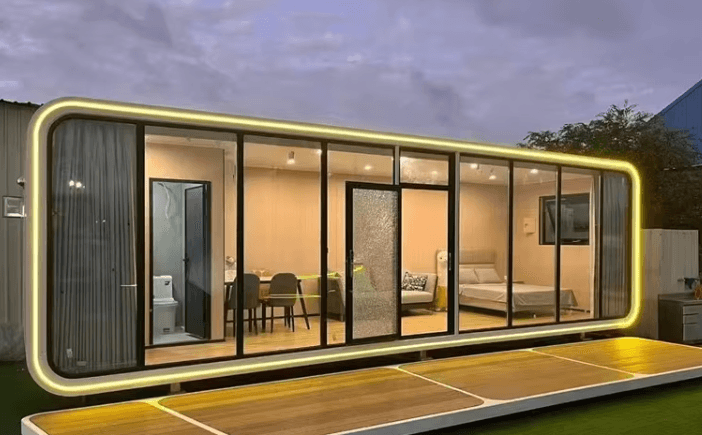
I. Clarify Requirements and Technology Types
Choose the core type based on the usage scenario:
- Self-contained composting toilet: No need for water and electricity connections. It relies on microorganisms to decompose waste into fertilizer, suitable for remote areas and outdoor venues without infrastructure (such as camping and emergency scenarios). Its core indicators are decomposition speed and odor control technology (such as ventilation systems and activated carbon filters).
- Smart integrated type: Requires power support and integrates functions such as sensors, automatic flushing, and seat heating. Typical technologies include proximity sensors for standby activation and human presence sensors for controlling flushing timing, suitable for residences with existing water and electricity conditions (such as RVs and eco-friendly homes).
II. Key Functions and Performance Evaluation
Environmental Performance
- Water-saving technology: Prioritize dual waterway designs (separate water volume standards for solid/liquid waste) or water volume sensors (dynamically adjust flushing duration).
- Composting efficiency (self-contained): Focus on decomposition speed and odor control. Ventilation systems and activated carbon filters can significantly enhance the user experience.
Smart Functions
- Interaction system: Wireless connection modules support remote status viewing (data security should be considered), and local storage units can record usage habits to optimize parameters.
- Comfort configurations: Instant heating avoids heat loss from stored water, and warm air drying requires selecting power based on environmental humidity.
Materials and Durability
- Antibacterial treatment: Nano-coatings on ceramic surfaces reduce dirt adhesion, and silver ion additives inhibit microbial growth.
- Corrosion resistance: The quality of the electroplating process on metal components determines the service life in humid environments.
- Sealing performance: The elasticity of the rubber strip material affects the leak-proof cycle and requires regular inspection and replacement.
III. Maintenance and Installation Adaptability
- Maintenance convenience: Modular design allows for the separate replacement of faulty units (such as nozzles and filters). Self-cleaning functions (nozzle cleaning cycles) and fault diagnosis code systems can reduce long-term costs.
- Installation adaptability:
- Space matching: Measure the pit distance error in advance and confirm that the waterproof rating label meets the environmental humidity requirements.
- Power requirements: Smart models need to evaluate the load capacity of the house's electrical circuit (such as the power of instant heating).
IV. Cost and Long-Term Value
All-in-one machines with full functions have higher initial investments but offer better system integration than single-function add-on modifications. Long-term benefits include reduced water bills due to water-saving designs and lower waste disposal costs for composting types, aligning with sustainable concepts.
V. Scenario-Based Recommendations
- Outdoor/emergency scenarios: Prioritize self-contained composting toilets, emphasizing portability and odor control.
- Home upgrades: Smart integrated types are suitable for residences with existing water and electricity conditions, focusing on modular maintenance designs.
Relacionados



