
Portable Toilet for Single User
A portable toilet for single users is a sanitary facility that is cost-effective, aesthetically pleasing, and can be flexibly moved and used. The following provides a detailed introduction from aspects such as composition, types, characteristics, and examples:
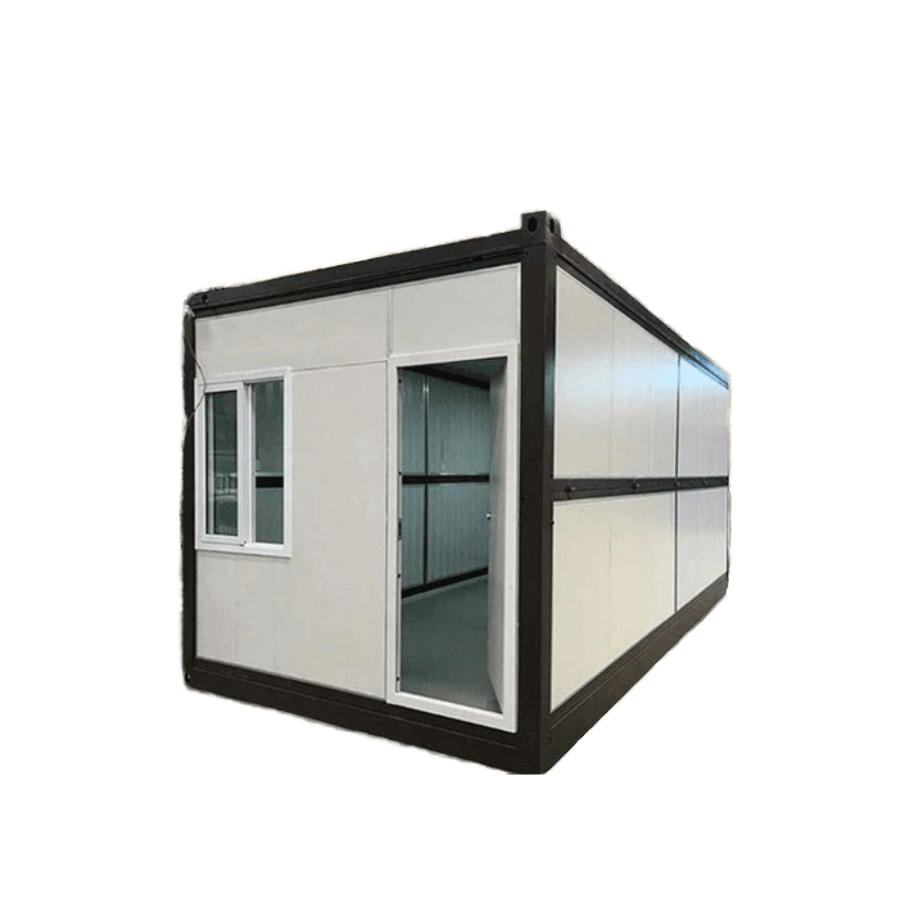
Composition: Portable toilets are generally composed of multiple parts. The fecal sewage storage tank (or fecal sewage treatment device) is used to collect and treat excreta; the floor provides a stable standing and activity space; sanitary ware such as toilets meets basic usage needs; walls serve to separate and protect privacy; washing equipment facilitates user cleaning; a water tank provides water for flushing and other operations; the roof offers shelter from wind and rain; and the mobile device ensures it can be conveniently transported and moved.
Types: In terms of structural form, they can be divided into single-structure portable toilets and composite-structure portable toilets. Single-structure toilets are relatively independent and simple, while composite-structure toilets may be composed of multiple parts and may have richer functions. According to the method of movement, they can be classified as lifting and handling portable toilets, which mainly rely on lifting equipment or manual handling for movement; and powered and towed portable toilets, which use powered devices or vehicles for towing movement, offering a relatively higher range and flexibility of movement. Based on sewage treatment methods, they can be divided into water-flush and waterless suction portable toilets. Water-flush toilets maintain cleanliness through water flow flushing, while waterless suction toilets use suction devices to treat excreta; circulating water-flush portable toilets can recycle water, saving water resources; and dry-packing portable toilets package excreta in a dry form for easy subsequent cleaning.
Characteristics: Their greatest advantage lies in their convenience for transportation to any location where a toilet needs to be set up, whether it is a temporary event site, a remote construction site, or a tourist attraction, providing sanitary facilities quickly. Moreover, they can be used repeatedly, reducing usage costs. They have the characteristics of being movable and combinable, allowing for flexible adjustment and combination according to actual needs, facilitating transportation, and enabling a rapid response to usage demands in different scenarios.
Examples: There are metal-carved panel single-user portable toilets with complete internal configurations, transported by dedicated vehicles and ready for use upon arrival. Their dimensions can be 1.2 meters by 1.2 meters, with a total height of 2.5 meters, a flat roof design, and exterior walls made of two-tone carved panels, with customizable colors, offering both practicality and aesthetics.



