
Portable Toilet Eco-Friendly Custom: Top Options & Considerations
Recommended options for eco-friendly portable toilets should be comprehensively considered from materials, design, functionality, and scenario adaptability. Here are specific recommendations and key factor analyses:
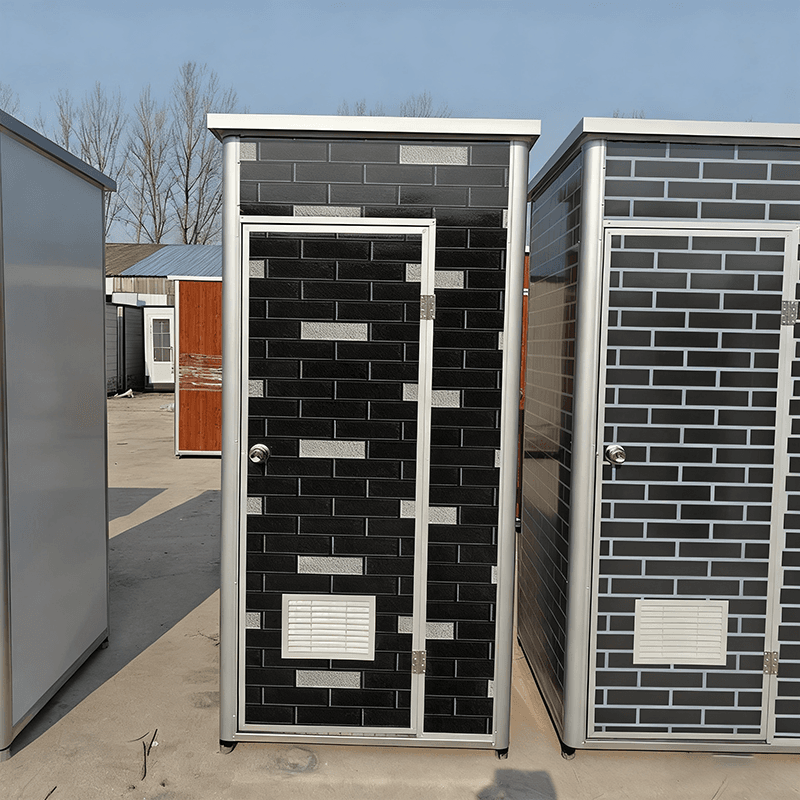
1. Eco-Friendly Materials and Certifications Prioritize products with international eco-certifications to minimize ecological impact. For example, Alibaba.com's OEM JS-MT portable toilet uses corrosion-resistant plastic, which is 30% lighter than traditional metal and certified by Germany and France's EPR standards for environmental packaging. Chinese factory-made HDPE plastic toilets utilize high-density polyethylene (HDPE), offering chemical resistance and weather durability, with recyclable materials further reducing environmental burdens. Certification standards are a core metric; verify if products meet international certifications like EPR.
2. Water-Saving and Waterless Designs Choose water-saving solutions based on usage scenarios. Waterless suction or dry-packing toilets use sealed bags or dry processing to avoid water waste, making them ideal for water-scarce environments or temporary events. Recirculating water-flush toilets employ water recycling systems to reduce consumption, suitable for long-term deployments. Dry designs have lower maintenance costs, while recirculating models are better for high-frequency use.
3. Foldable and Space-Optimized Designs Folding designs enhance transportation and storage efficiency. For instance, Alibaba's vehicle-mounted portable toilet folds to half its size, facilitating vehicle transport or home storage. Compact models like Sckee Camping Toilet reduce material use through lightweight design while maintaining functionality. Folding structures lower transportation energy costs, and compact designs suit space-constrained scenarios.
4. Multi-Scenario Adaptability For outdoor activities, recommend Drive Medical's foldable steel-frame toilet or VINGLI's portable toilet, which support camping, hiking, and other scenarios while minimizing environmental disruption. For emergency response, Chinese factory-made HDPE toilets offer rapid installation, ideal for disaster relief or temporary medical stations, avoiding the high resource consumption of traditional public toilet construction. Scenario adaptability should be filtered based on usage frequency and environmental conditions.
5. User Adaptability Universal design extends product lifecycle. For example, the Height Adjustable Portable Folding Toilet supports height adjustments for both adults and children. For privacy, Chinese factory-made toilets feature blue privacy doors and locking mechanisms, enhancing user experience in public settings and reducing resource waste caused by inadequate privacy. User-adaptive designs should prioritize long-term usability needs.
Key Consideration Summary:
- Certification Standards: Prioritize products with international certifications like EPR to ensure material recyclability.
- Maintenance Costs: Dry or recirculating water designs reduce long-term cleaning and water resource costs.
- Deployment Efficiency: Rapid installation features suit temporary needs, minimizing labor and time investment. Filter specific products based on budget, usage frequency, and environmental conditions.



