
Portable Toilet Configuration Explained: How to Choose the Right One
The selection of portable toilet configurations requires comprehensive consideration of factors such as materials, structure, mobility, sewage treatment, internal configuration, size and capacity, customization services, and durability. Here is a detailed analysis:
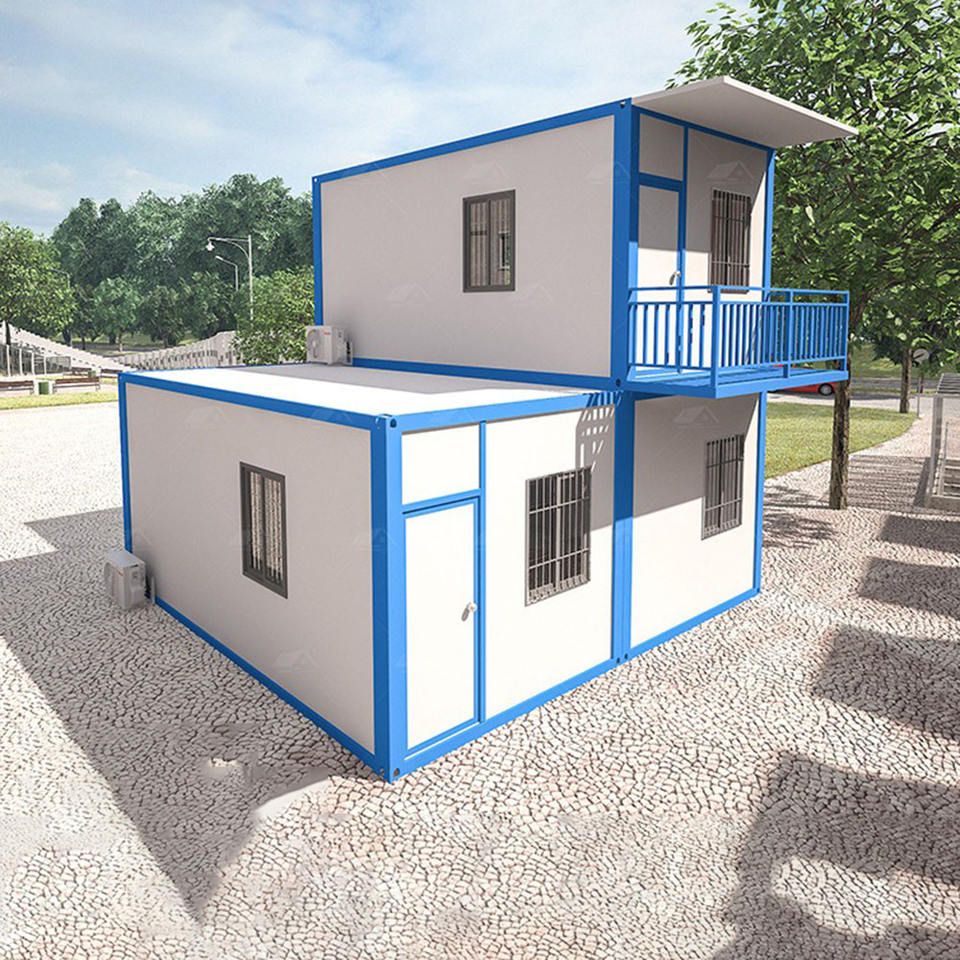
Material selection is fundamental. Materials like steel, color-coated steel plates, fiberglass-reinforced plastic, and stainless steel each have their advantages. Steel frames are sturdy and can meet lifting requirements for overall mobility; fiberglass-reinforced plastic is lightweight and corrosion-resistant; stainless steel offers good durability and aesthetics. For example, Foshan Basic Technology Co., Ltd. uses steel frames combined with aluminum alloy frames, providing waterproof, fireproof, and moisture-proof properties suitable for various environments.
Structural form should be determined based on site requirements. Single-unit portable toilets are suitable for spaces with limited area or single-function venues, such as temporary event sites; composite structures offer more functional partitions, such as separate restrooms for men and women and barrier-free facilities, suitable for large events or long-term use scenarios.
Mobility affects usage flexibility. Lifting-type portable toilets are suitable for fixed positions that require occasional movement; portable types are suitable for short-distance, low-frequency movement; powered and towed types are suitable for frequent movement or long-distance transportation, such as tourist attractions and construction sites.
Sewage treatment methods should be combined with environmental protection requirements. Water-flushing types are suitable for venues with water sources and convenient sewage disposal; waterless suction types use vacuum pumps to suction waste, reducing water consumption; recirculating water-flushing types achieve water resource reuse through filtration systems; dry-packing types do not require water sources, with waste directly packed for disposal, suitable for water-scarce or high environmental protection requirement areas.
Internal configuration and comfort directly affect user experience. Basic configurations include sanitary ware, washing equipment, and water tanks; high-end configurations can add air conditioners, ventilation equipment, lighting systems, and even smart sensors to enhance comfort.
Size and capacity should be customized based on the number of users and site conditions. Small portable toilets are suitable for single users or small numbers; large composite structures can accommodate multiple users simultaneously, meeting peak demand.
Customization services can meet personalized needs. Suppliers usually offer customization options for size, color, and internal configuration, and can even design appearances that align with brand images to enhance overall aesthetics.
Durability and maintenance are key for long-term use. Choosing products with excellent materials and sturdy structures can extend service life and reduce maintenance costs. For example, the portable toilets from Foshan Basic Technology Co., Ltd. have a service life of over 7-10 years, reducing the hassle of frequent replacements.



