
Popularization of Mobile Toilets
The popularization of mobile toilets is reflected in multiple dimensions, including the expansion of application scenarios, technological upgrades, changes in management concepts, and improvements in social and environmental benefits.
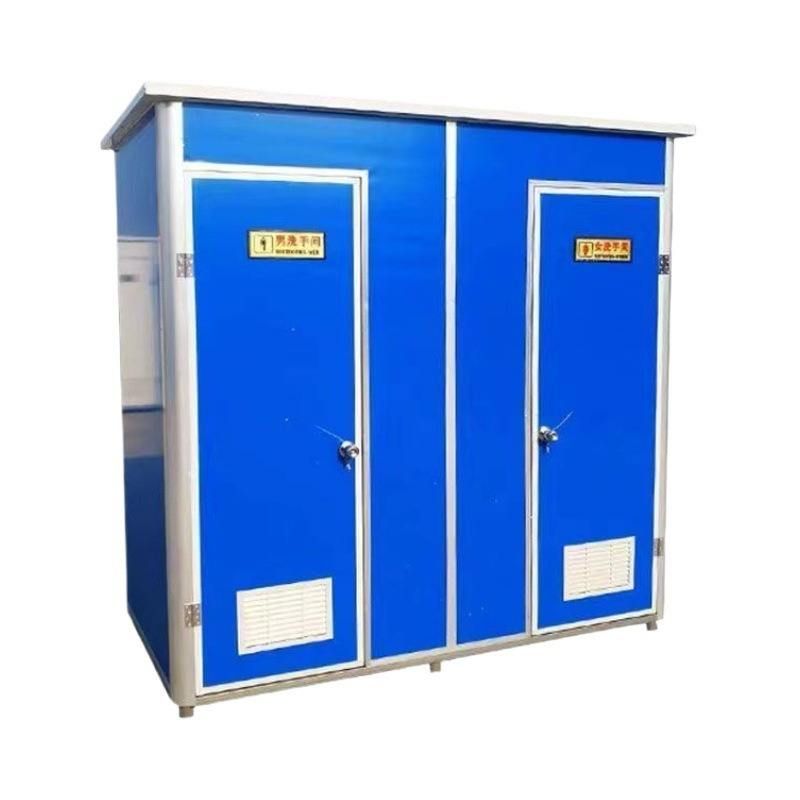
1. Wide Coverage of Application Scenarios
The demand for mobile toilets continues to grow, covering diverse scenarios in both urban and rural areas. Fixed locations such as stations, docks, tourist attractions, villa areas, newly built residential communities, large construction sites, squares, and bustling commercial streets have become primary deployment areas for mobile toilets due to high foot traffic or limited space. Their flexibility is further demonstrated in addressing temporary needs: during large-scale celebrations, sports events, or temporary markets, they can be quickly transported to designated locations and removed after the events to avoid resource idleness; in old urban areas, narrow streets, or regions with incomplete infrastructure, they require only a flat ground to solve urgent toilet needs due to their low site requirements; at tidal locations such as transportation hubs during rush hours or park entrances on weekends, mobile toilets can serve as flexible supplements to alleviate pressure during peak periods.
2. Technological Upgrades Enhance User Experience
Modern mobile toilets have achieved breakthroughs in design and materials. The main body is made of corrosion-resistant and easy-to-clean composite materials, extending service life and reducing maintenance costs; internally, they are equipped with user-friendly facilities such as handrails and baby care stations, with some even integrating lighting, ventilation fans, and even air conditioning systems to enhance comfort. Diverse sewage treatment technologies, including microbial degradation, vacuum suction, and packaged collection, effectively reduce odors and minimize impacts on the surrounding environment, with some technologies enabling on-site reduction and harmless treatment of waste.
3. Shift in Management Concepts from Static to Dynamic
The introduction of mobile toilets marks an upgrade in public service thinking. Urban managers can dynamically allocate resources based on real-time foot traffic data, citizen feedback, and event schedules to achieve "on-demand supply." For example, by analyzing data to predict peak periods, they can increase the number of mobile toilets in advance; adjust layouts according to event scales to avoid resource waste. This model improves the efficiency of public resource utilization and reduces the idleness issues of traditional fixed public toilets caused by improper site selection.
4. Significant Social and Environmental Benefits
Mobile toilets alleviate toilet queue pressures in regions with rapid population growth by temporarily occupying public land, enhancing public health service levels. Their advanced treatment technologies reduce reliance on urban sewage networks and lower the risk of sewage surges. Additionally, some designs integrate solar power generation and rainwater collection systems, achieving self-sufficiency in energy and water recycling, embodying sustainable operation concepts and contributing positively to the promotion of green urban construction.



