
Volver al blog
Artículo
Plastic Mobile Toilet Cleaning Methods
Admin 08 de octubre de 2026
The cleaning of plastic mobile toilets requires following standardized procedures, combining professional tools and cleaning agents, and completing the cleaning and disinfection step by step to ensure hygiene and safety.
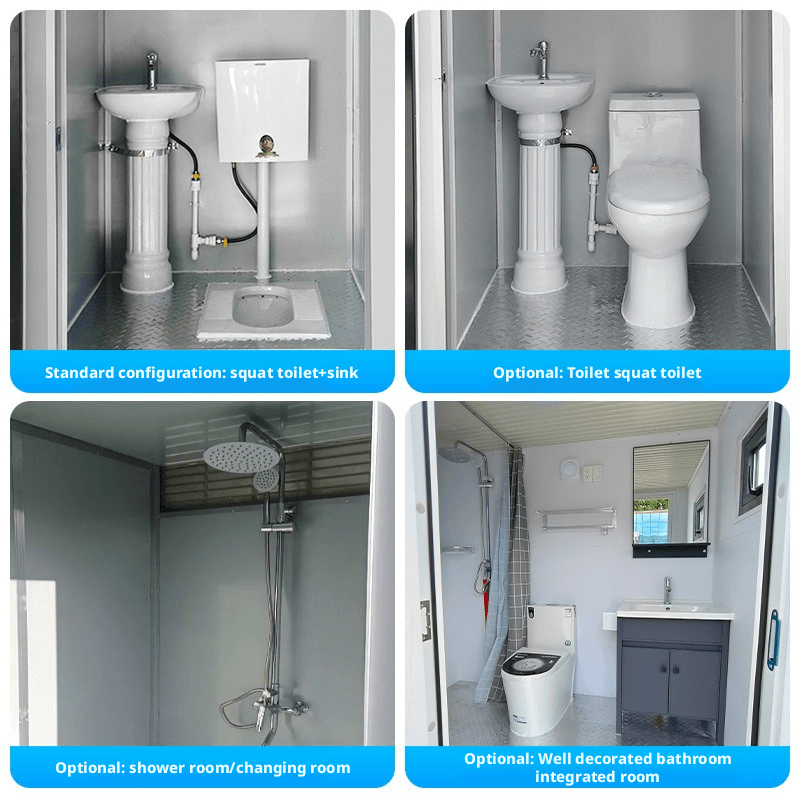
I. Preliminary Preparations
- Staff Allocation: Arrange 2 professional cleaners, with one responsible for core cleaning and disinfection, and the other assisting with transportation, garbage collection, and on-site security.
- Tools and Cleaning Agents:
- Cleaning tools: High-pressure water gun (low-pressure mode), soft nylon brushes, toilet brushes, manual spring-type plunger, brooms, mops, dry cloths.
- Protective gear: Disposable rubber gloves, goggles, masks.
- Cleaning agents: Specialized plastic toilet cleaner (weakly acidic), hypochlorous acid disinfectant, plant-extracted odor neutralizer.
- Others: Heavy-duty leak-proof garbage bags, warning signs.
- On-site Preparations:
- Place a "Cleaning in Progress, Do Not Use" sign at the toilet entrance and turn off the power (if equipped with lighting or flushing systems).
- Clear out personal belongings from inside, and check for any damage to the plastic cabinet and blockages in the pipes.
II. Cleaning Operations
- External Cabinet Cleaning:
- Sweep up fallen leaves, paper scraps, and other debris from the ground. Use a soft brush dipped in cleaning agent to wipe down the walls, door, handle, and vents, focusing on cleaning dust from door seams and grilles.
- Rinse the cabinet surface with a high-pressure water gun on low-pressure mode, and finally dry it with a dry cloth.
- Initial Internal Space Cleaning:
- Empty the toilet bowl of waste, use a plunger to clear blocked pipes, and sweep up ground garbage and seal it in bags.
- Deep Cleaning of Toilet Bowls:
- Urinals: Spray with a weakly acidic cleaner and let it sit for 3-5 minutes. Use a nylon brush to scrub the inner walls and around the drain opening, then rinse thoroughly with water.
- Toilets: Use a toilet brush to clean the inner walls, wipe the seat ring, lid, and outside of the tank, then rinse and dry.
- Floor and Wall Cleaning:
- Dilute the cleaning agent and sprinkle it on the ground. Use a mop to wipe the corners and around the toilet bowl, use a damp cloth to clean wall stains, rinse with water, and then mop dry to ensure no standing water.
- Accessory Facility Cleaning: Wipe down the sink, paper towel holder, handrails, etc., replenish paper towels, and check the stability of the handrails.
III. Disinfection and Sterilization
After cleaning, thoroughly spray the toilet bowl, floor, walls, and accessory facilities with hypochlorous acid disinfectant, let it sit for 10 minutes, and then wipe clean to inhibit bacterial growth.
IV. Excellent Cleaning Tips
- Pre-treatment Isolation Method: Before use, lay biodegradable decomposition pads in the toilet bowl or add microbial agents to decompose organic matter and reduce residue; install an anti-odor check valve at the sewage pipe entrance to prevent gas backflow.
- "Dry First, Then Wet" Process: First, use a scraper or vacuum cleaner to remove solid waste, then rinse the inner walls with hot water above 60℃ combined with a neutral cleaning agent, and finally use a UV lamp or ozone generator for closed disinfection to kill pathogens.
Relacionados



