
Plastic Container House Design Drawing
Currently, there are no directly available design drawings for plastic container houses, but design ideas can be analyzed by combining the design features of container houses with the characteristics of plastic materials.
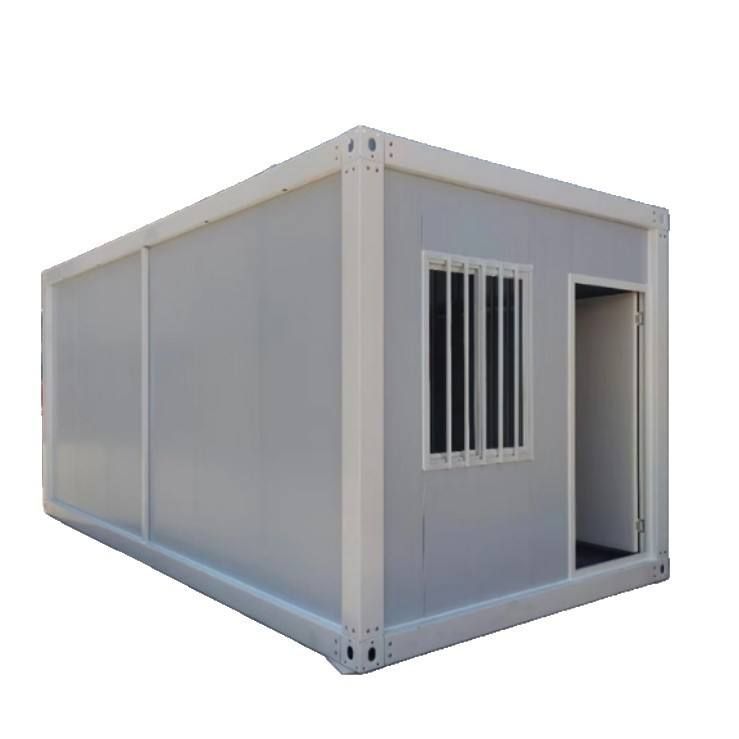
Design Case References for Container Houses
Although no design drawings for plastic container houses have been found, there are various design cases of traditional metal container houses that have been renovated, which can provide inspiration. For example, there are 30 container renovation cases that include different shapes and color designs. These cases demonstrate the diversity of container houses in terms of space utilization and appearance. There are also 10 design cases, such as container hotels, container houses, desert container buildings, and colorful container buildings, each with unique features in terms of functional positioning and environmental adaptability. However, these cases do not explicitly mention being “plastic containers” and do not show specific design drawings, but they allow us to understand the general ideas and methods of container house design.
Key Points in the Design of Plastic Container Houses
- Utilization of Material Characteristics: Compared to traditional metal containers, plastic containers have advantages such as being lightweight, corrosion-resistant, and having good insulation properties. During the design process, the lightweight nature can be fully utilized to reduce the burden on the foundation structure and lower construction costs. The corrosion resistance makes them more suitable for use in humid or chemically corrosive environments, such as coastal areas or around chemical industrial parks.
- Spatial Layout: Plan the internal space reasonably according to usage requirements. It can be designed as a single-story or multi-story structure. A single-story design is suitable for small living or office spaces, while a multi-story design can increase the usable area to meet more functional needs. The interior can be divided into functional areas such as bedrooms, living rooms, kitchens, and bathrooms, with proper window and door designs to ensure ventilation and natural light.
- Appearance Design: Plastic materials are easy to process and shape, allowing for the creation of various unique appearances. It can imitate the style of traditional buildings or adopt a modern and minimalist design concept to create a personalized house appearance. At the same time, the rich colors of plastic can be used to add bright colors to the house and enhance its visual appeal.
- Connection and Fixation: When designing, consider the connection methods between plastic containers to ensure structural stability. Special connectors or welding processes can be used to combine multiple containers into a whole. At the same time, proper fixation to the foundation is necessary to prevent the house from moving or toppling over under external forces such as wind or earthquakes.



