
Pingliang Single Mobile Toilet Installation
The installation of a single mobile toilet in Pingliang requires comprehensive consideration from multiple aspects, including location, structure, technology, environmental control, and specific regional requirements.
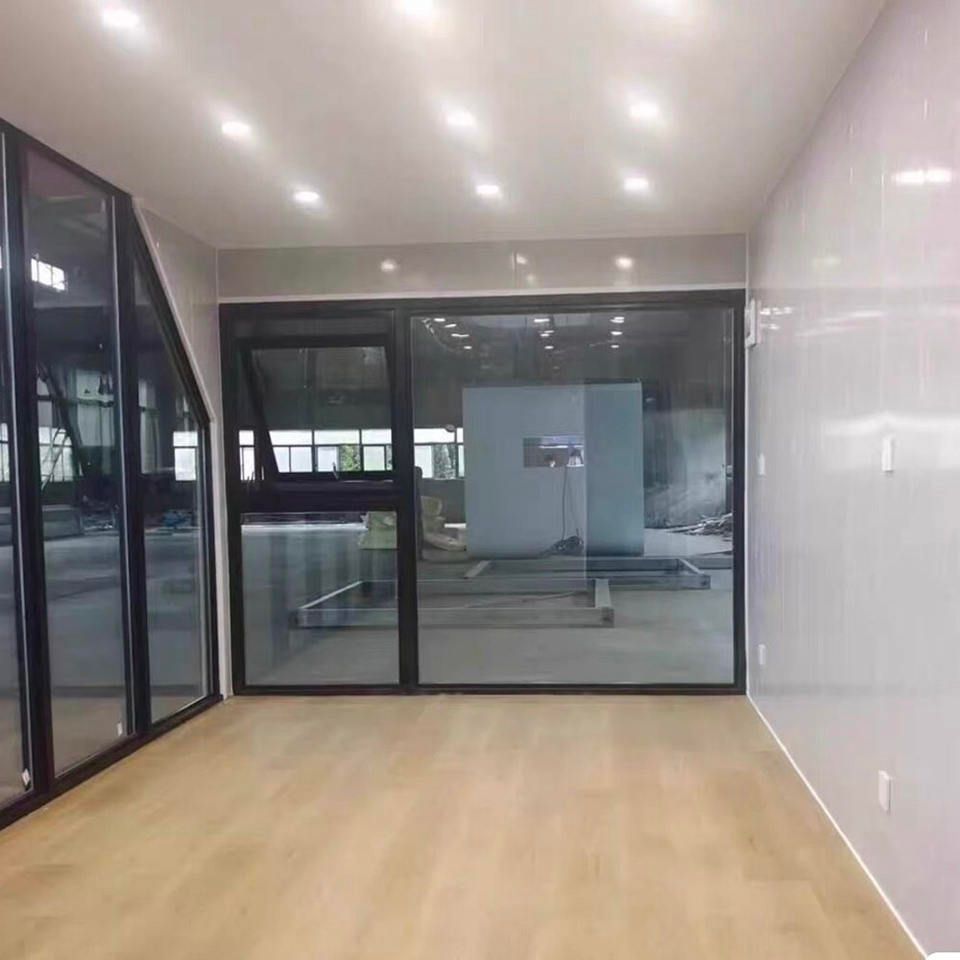
Location Selection for Installation: It should be based on pedestrian flow, terrain, environment, and operational and maintenance needs. In terms of pedestrian flow, it should be kept tens of meters away from high-density activity areas to ensure accessibility while minimizing spatial impact. The terrain must meet load-bearing and stability requirements, facilitating the connection to water supply and drainage systems. In areas without municipal sewer networks, a clear path for the removal of independent sewage storage modules should be planned, avoiding areas prone to waterlogging or with soft geology. For environmental compatibility, the appearance should harmonize with the surrounding landscape, minimizing the need for tree transplantation and visual obstruction, staying away from children's play areas, and ensuring ventilation and natural light. Operational and maintenance convenience requires reserved space for cleaning and maintenance, as well as vehicle access, and being within the coverage of patrol routes.
Structural Design: It adopts a modular box structure composed of composite panels (fiberglass or metal sandwich panels, corrosion-resistant and UV-resistant), a steel frame (connected with standardized interfaces), and internal functional components, which are prefabricated in the factory and assembled on-site. Functional units are separately integrated, with the water tank system installed independently, divided into clean water and sewage tanks. The flushing devices are mostly pneumatic or foot-operated, with some equipped with solar-powered sensors. The sewage pipes are made of frost-resistant materials, with heating options installed at the bottom. The ventilation system creates airflow through roof exhaust fans and sidewall louvers.
Treatment Technology: In areas covered by municipal sewer networks, direct connection to the sewage pipes is made. In areas without sewer networks, biological degradation or chemical treatment technologies are used. Biological degradation breaks down solid waste into carbon dioxide and water through microbial agents. Chemical treatment uses coagulants and deodorizers to solidify liquids. Both technologies are equipped with sealed sewage storage tanks, which are regularly removed by specialized vehicles.
Environmental Impact Control Measures: Water-saving flush valves control the amount of water per flush, with some models recycling hand-washing wastewater for toilet flushing. Solar lighting and ventilation are prioritized. Solid waste is either recycled into resources (such as organic fertilizer) or disposed of in a harmless manner after treatment. Noise is reduced through low-power fans and mechanical structure optimization.
Specific Requirements for the Pingliang Region: In terms of climate, pipeline insulation and frost prevention measures should be strengthened in winter, and the box panels should have thermal insulation properties. In summer, drainage should be ensured to prevent water infiltration. All materials should be able to withstand the local UV intensity to avoid aging.



