
Pingliang Mobile Toilet
Pingliang mobile toilets are independent sanitary facilities that are movable, modularly designed, and fully functional. The following provides an introduction from five aspects: structure, functionality, environmental adaptability, maintenance management, and leasing services.
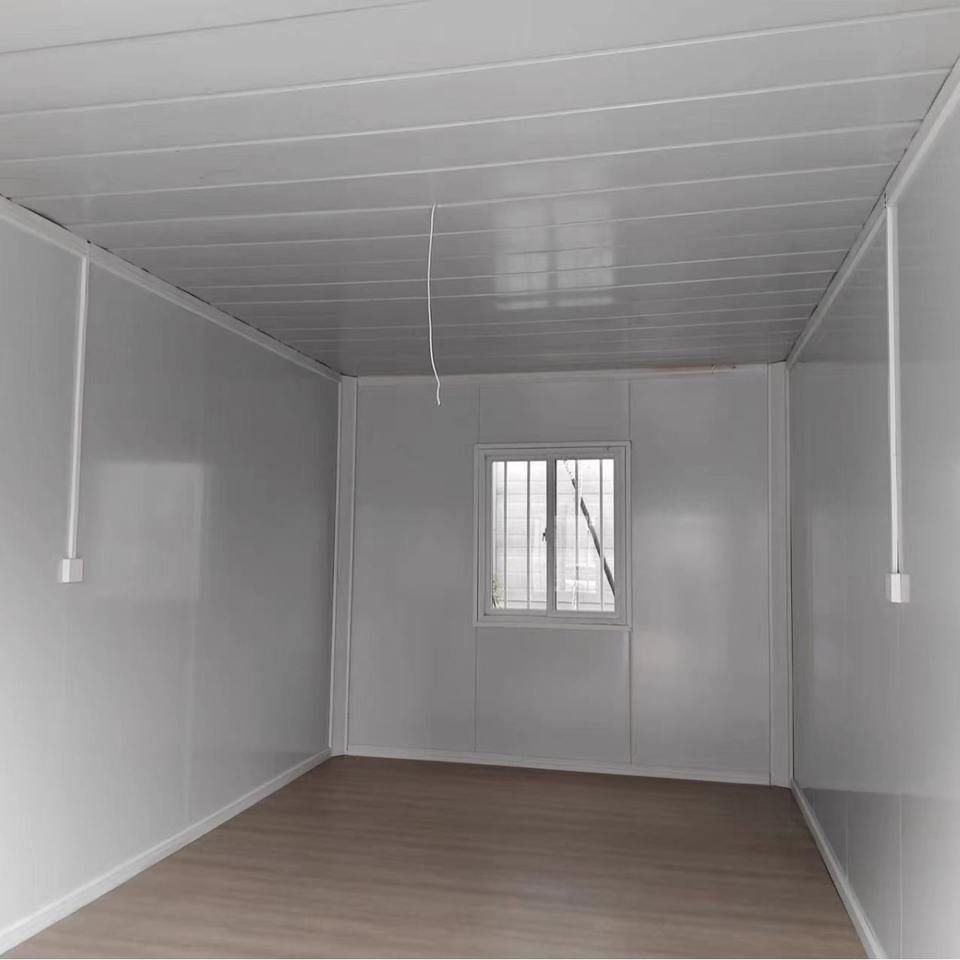
Structural Composition
Pingliang mobile toilets adopt a modular design, allowing the entire unit to be relocated intact. Their basic structure consists of three parts:
- Frame Structure: Lightweight and high-strength materials (such as aluminum alloy or high-strength plastic) are selected to ensure structural stability during transportation while reducing overall weight for easy handling.
- Enclosure Materials: These materials balance insulation, waterproofing, and weather resistance. For example, double-layer sandwich panels or composite materials are used to adapt to temperature variations and windy conditions in the Pingliang region.
- Internal Equipment Interfaces: Standardized connection ports for water supply, sewage, and electrical systems are designed for quick assembly and maintenance.
Functional Implementation
They operate independently relying on self-contained systems:
- Water Supply System: Equipped with water storage tanks, pressurization devices, and pipeline networks, water can be injected externally or replenished periodically to meet the needs of scenarios without municipal water supply.
- Sewage Treatment: Two modes are adopted: integrated treatment units (such as biological degradation or chemical treatment) for on-site purification; and collection and storage mode, where sewage is temporarily stored in sealed containers and regularly transported away.
- Power Supply: Solar photovoltaic panels + battery packs are prioritized to reduce energy consumption; they can also be connected to the municipal power grid. Lighting, ventilation, and indicator equipment are all configured to low power consumption standards.
Environmental Adaptability
Optimized design for the climate and terrain of Pingliang:
- Temperature Difference Response: The walls adopt a sandwich insulation structure to reduce heat exchange between the interior and exterior, adapting to low-temperature environments in winter.
- Wind Resistance Design: Foundation fixation uses anchor bolts (suitable for hard ground) or weight blocks (suitable for soft ground) to ensure structural stability in windy weather.
- Spatial Layout: Based on ergonomic calculations, the washing area, toilet stalls, and passage areas are reasonably divided, and barrier-free access is provided to meet the needs of the disabled.
Maintenance Management
Follows the principles of periodic inspection and on-demand repair:
- Daily Inspection: Regularly check the operating status of the water supply, sewage, and electrical systems, and clean the water storage tanks and sewage containers.
- Fault Handling: A modular replacement strategy is adopted. Damaged components (such as water pumps and battery packs) can be replaced individually without disassembling the entire structure, shortening repair time.
Leasing Services
Covers scenarios such as marathons, concerts, and construction sites, offering a variety of options:
- Rich Types: Includes epidemic prevention center mobile toilets (equipped with disinfection equipment), portable mobile toilets (lightweight and easy to deploy), luxury mobile toilets (equipped with air conditioners and fresh air systems), second-hand mobile toilets (cost-effective), and special mobile toilets (such as those with an antique style).
- Flexible Services: Customized leasing plans are provided according to the scale and duration of the event, supporting short-term emergency use or long-term fixed placement.



