
Installation of Mobile Toilets in Pinghe Scenic Area
The installation of mobile toilets in Pinghe Scenic Area requires following steps such as positioning, main structure installation, facility connection, and functional debugging, while also paying attention to selecting compliant manufacturers and referring to relevant standards.
I. Installation Steps
Positioning and Foundation Treatment
Determine the installation location based on the scenic area's site planning and ground flatness, ensuring a solid ground with good drainage. If the ground is uneven or has soft soil, hardening treatment (such as pouring concrete) or laying steel plates should be carried out in advance to provide stable support. This step is fundamental for ensuring the safety of the subsequent installation structure.Main Structure Installation
- Chassis and Frame Positioning: Use a forklift or manual labor to place the prefabricated steel structure chassis steadily at the predetermined location and adjust it to a level state using a level gauge to avoid subsequent installation issues caused by tilting.
- Wall and Roof Panel Installation: Insert the sandwich panel wall panels into the chassis slots one by one and secure them with bolts or clips; then install the roof panels and seal the joints (such as by applying waterproof glue) to prevent rainwater leakage. This step can usually be completed within 1-2 hours.
Internal Facility Connection
- Install internal partitions, toilets (such as sit-down toilets), flushing systems, sinks (optional), lighting, and ventilation equipment.
- Water and Electricity Pipeline Connection: This should be operated by professionals, but modular design (such as quick connectors) can simplify the process and shorten the time. For example, the sewage pipeline needs to be connected to the existing system in the scenic area to ensure compliant sewage discharge.
Functional Inspection and Debugging
- Conduct a flushing test to check if the water flow is smooth and unobstructed;
- Test the electrical circuit safety to ensure the normal operation of lighting and ventilation equipment;
- Recheck the sealing, focusing on the joints of the roof, walls, and pipeline connections to prevent water leakage.
II. Precautions
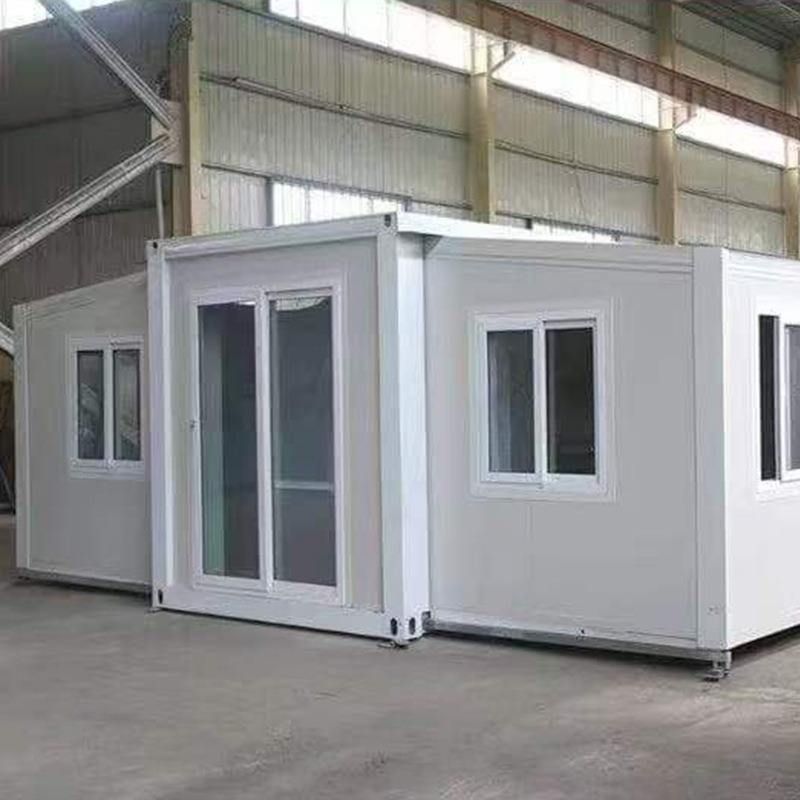
- Simplified Installation of Integrated Mobile Toilets: If integrated products such as container toilets are selected, only hoisting into place and connecting water, electricity, and sewage pipelines are required on-site, reducing the overall installation time to 2-4 hours, suitable for emergency needs or temporary use scenarios.
- Compliance Requirements: The installation process must strictly comply with standards such as the "Hygiene Code for Mobile Toilets" (GB/T 21239-2023) to ensure structural safety and hygiene standards, avoiding subsequent rectifications due to non-compliant operations.
III. Manufacturer Selection Recommendations
- Qualification Review: Prioritize manufacturers with business licenses, production licenses, and relevant certifications to ensure product quality meets national standards.
- Capability Assessment: Pay attention to the manufacturer's production and processing capabilities, technical team level, and customer reputation to avoid installation delays or quality issues due to insufficient technical expertise.



