
Panjin Outdoor Mobile Toilet
Panjin outdoor mobile toilets primarily provide temporary sanitation solutions for large-scale events and outdoor settings through leasing, featuring modular design, multiple types of waste collection systems, and flexible deployment.
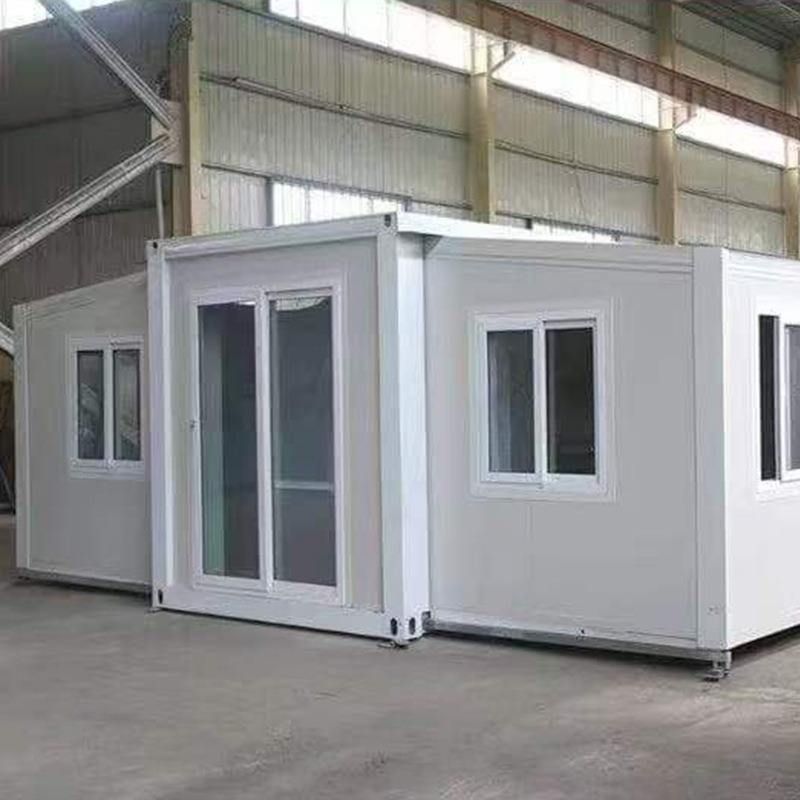
1. Service Model and Planning Logic
Event organizers need to estimate peak usage requirements based on the number of participants, distribution density, and flow patterns to determine the number and layout of toilet units. When deploying, it is necessary to comprehensively consider crowd movement, service radius (usually recommended to be 50-100 meters), and the feasibility of waste removal channels to avoid congestion or sanitation dead zones caused by unreasonable locations. For example, at large music festivals, denser layouts are required in high-traffic areas such as stages and dining areas, while also reserving space for waste removal vehicles.
2. Technical Composition and Type Differentiation
- Hardware Units: Modular prefabricated structures are used, including wall frames, sanitary fixtures, water storage and sewage systems, and ventilation devices. They support functional expansions, such as adding barrier-free facilities, maternal and child care units, or integrated wastewater recycling modules to adapt to different scenarios.
- Waste Collection Systems:
- Chemical Degradation Type: Solid waste is decomposed and odors are suppressed by adding reagents, suitable for short-term, low-frequency usage scenarios.
- Biological Treatment Type: Microorganisms are used to decompose organic matter, achieving resourceful waste disposal, commonly used in ecologically sensitive areas.
- Vacuum Suction Type: Relies on negative pressure to quickly collect waste, with high water-saving efficiency, suitable for high-density crowd scenarios.
- Ventilation Systems: Most are equipped with air circulation and filtration devices to maintain internal air quality through forced ventilation. Some high-end models integrate activated carbon filtration layers to further purify odors.
3. Environmental Hygiene Maintenance Mechanism
Leasing services include periodic maintenance operations, including waste collection and transportation, internal cleaning and disinfection, consumable replenishment, and equipment status checks. Cleaning and disinfection agents must comply with environmental standards to avoid pollution to soil and water systems. Maintenance time windows are usually chosen during low-usage periods for the crowd (such as early morning or event breaks) to minimize the impact on the user experience through quick operations. For example, during music festivals, a "two-shift" model may be adopted to ensure round-the-clock sanitation guarantees.
4. Applicable Scenarios and Flexibility Advantages
- Small Community Events: Only a few basic units are needed to meet temporary needs.
- Large-Scale Events or Music Festivals: A comprehensive cluster with gender-separated areas, barrier-free access, and staff rest areas is required, along with an independent waste removal process.
- Construction Sites or Temporary Camps: Durable models with high tolerance and long maintenance cycles are selected to adapt to harsh environments. Suppliers dynamically adjust the number and layout of units based on event scale, terrain, and other factors, and respond to uncertainties such as fluctuations in the number of people or weather changes through expandable and relocatable designs.



