
How About Overall Prefabricated Houses
Overall prefabricated houses offer advantages such as short construction periods, low costs, good environmental performance, and controllable quality. They are suitable for scenarios like temporary construction site housing and rural self-built houses, with promising market development prospects.
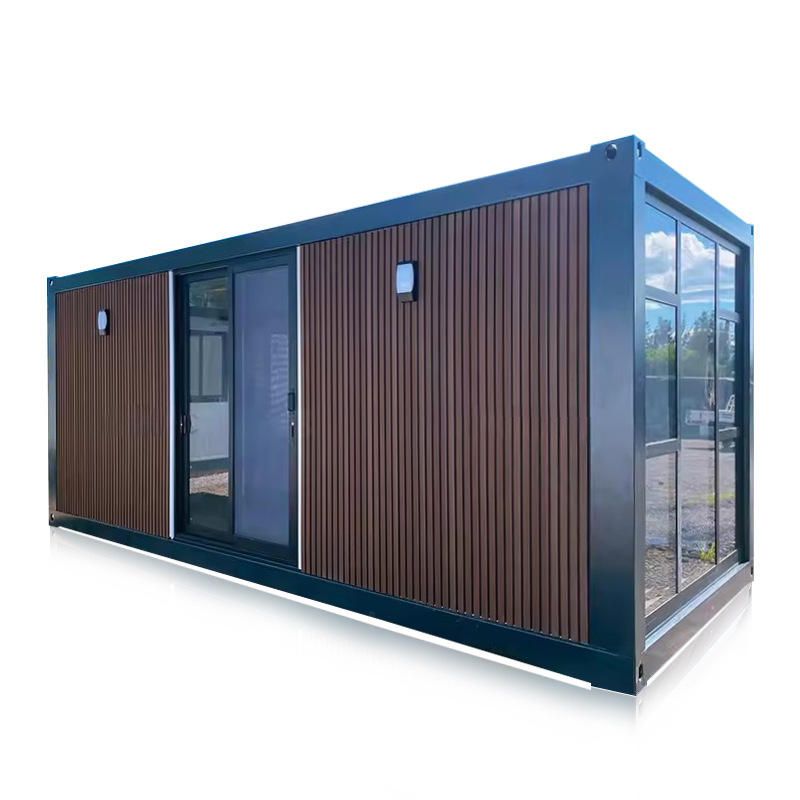
Significant Construction Advantages
- Short Construction Period: Factories pre-fabricate walls, roofs, and other components into modules, which are then transported to the construction site and assembled like building blocks. For example, a 100-square-meter house can be assembled in just one day, which is 90% faster than traditional construction methods, enabling immediate occupancy after installation. For instance, in a public housing project in Shenzhen, Guangdong, five residential buildings nearly 100 meters tall were assembled from 6,028 concrete modules, reducing the construction and delivery period from 2.5 to 3 years to just 1 year.
- Low Cost: For houses of the same area, overall prefabricated houses can save 60,000 yuan compared to brick-and-mortar structures, effectively reducing construction costs for those in need.
- Good Environmental Performance: During construction, overall prefabricated houses generate 90% less construction waste than traditional methods. They also significantly reduce noise, dust, construction waste, and traffic congestion at the construction site, making them more environmentally friendly.
- Controllable Quality: Each 'building block' has a detailed 'ID card' containing information such as the project name, product model, and production date. The position of each steel bar is precisely located, with errors and precision controlled in millimeters, ensuring the quality of the house.
Clear Application Scenarios
Overall prefabricated houses are suitable for scenarios such as temporary construction site housing and rural self-built houses. However, for long-term occupancy, it is recommended to install sound insulation cotton and thermal insulation boards to enhance living comfort. Additionally, proper waterproofing must be done at roof joints to prevent water leakage.
Promising Market Development
After entering the 21st century, prefabricated components have regained attention in China due to their inherent advantages. Research and application of prefabricated concrete have shown a warming trend, with an increasing number of prefabricated concrete buildings adopting new technologies. In 2026, China's prefabricated building exports increased, with a 45% year-on-year growth in exports in the first quarter. China's prefabricated housing exports accounted for 12.3% of the global market, ranking among the top in the world, demonstrating the strong competitiveness of overall prefabricated houses in the international market.



