
Outdoor Tribe Container House
The Outdoor Tribe Container House is an outdoor living or activity space transformed from containers, featuring modularity, mobility, and environmental friendliness. It is widely used in scenic area homestays, campsites, temporary buildings, and other fields.
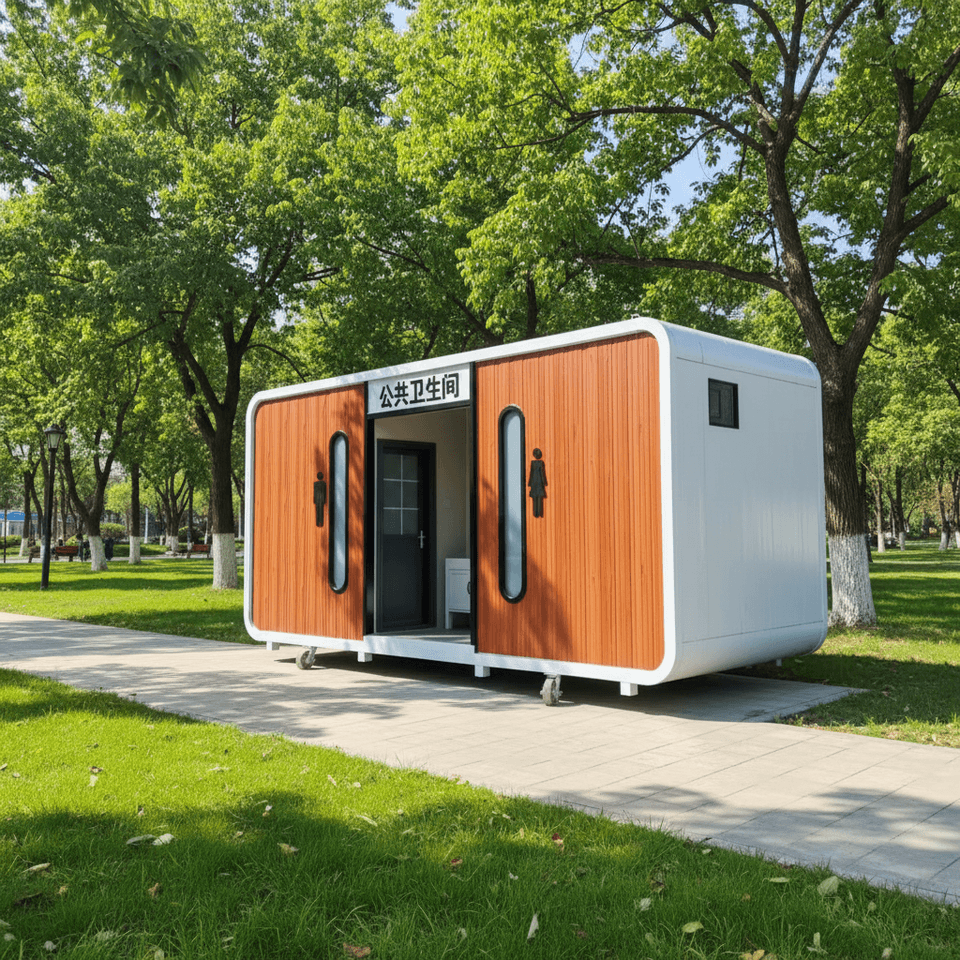
I. Types and Uses
Homestays and Campsites
Container houses are often transformed into unique homestays such as triangular wooden houses and space capsules, equipped with terraces, glass curtain walls, and other designs to meet accommodation needs in scenic areas or campsites. For example, a family in Jiangsu built a house in the countryside using a container with thermal insulation layers, featuring reasonable internal planning and air conditioning for comfortable living.Temporary Buildings and Construction Site Housing
Container houses can serve as construction site dormitories, temporary offices, or prefabricated temporary buildings, characterized by rapid setup and disassembly. For example, exported color-steel prefabricated temporary buildings and folding houses are suitable for on-site accommodation or temporary storage.Creative and Commercial Spaces
Container houses can also be transformed into shops, kiosks, cafes, and other commercial spaces, attracting customers through personalized designs. For example, container stores in creative districts and outdoor mobile snack bars.
II. Design Features
Modularity and Expandability
Container houses can be combined through splicing to form different layouts, adapting to various scenario needs. For example, the container cottage in Cornwall, UK, is stacked from multiple containers, featuring compact internal space but complete functionality.Environmental Protection and Sustainability
Container houses use recycled materials and are 100% recyclable, aligning with green building concepts. For example, the "Container Housing" project in São Paulo achieves low-carbon environmental protection through material reuse and rapid construction.Personalization and Artistry
Container houses can break away from traditional industrial aesthetics through exterior decoration and interior renovation, integrating into natural or modern styles. For example, a container hotel in the Czech Republic uses exposed container walls and spruce wood decorations to create a unique visual effect.
III. Advantages and Disadvantages
Advantages
- Low Cost: Compared to traditional buildings, container houses are more affordable and can be mass-produced.
- Fast Construction: Modular design shortens the construction cycle, suitable for urgent needs.
- High Flexibility: Movable and disassemblable, adapting to different site requirements.
Disadvantages
- Space Limitations: Standard container sizes are fixed, with relatively low internal height, requiring combined designs to optimize space.
- Thermal Insulation and Soundproofing: Additional thermal insulation layers and soundproofing materials are needed; otherwise, the living experience may be affected.
- Approval Procedures: Some regions have strict regulations on the use and setup of container houses, requiring prior understanding of policies.



