
Volver al blog
Artículo
Outdoor Mobile Toilet Technology
Admin 22 de septiembre de 2026
Outdoor mobile toilet technology is a comprehensive technical system that addresses temporary toilet needs while considering environmental protection, hygiene, and aesthetics. Its core principles, structural design, and adaptability to application scenarios are as follows:
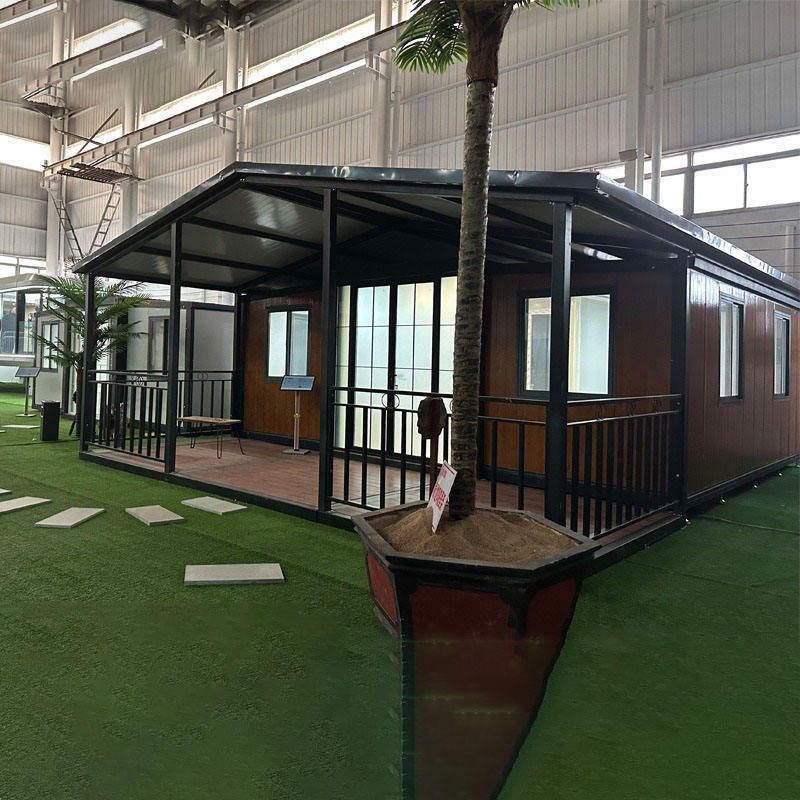
Technical Principles and Core Structure
- Basic Framework: Utilizes a steel structure framework, offering high strength and stability. With a designed lifespan of up to 30 years, it can withstand extreme environments such as strong winds and earthquakes, supporting rapid assembly and disassembly as well as customizable dimensions.
- Main Components:
- Floor: Uses anti-slip aluminum plates or tiles to reduce the risk of slipping and ensure user safety.
- Walls: Supports customization of colors and shapes. High-end interior and exterior finishes (such as tiles and faux wood veneers) enhance visual appeal and adapt to different scene styles.
- Sewage Disposal System: Offers three options:
- Microbial Degradation Type: Decomposes excrement through special bacteria, enabling waterless treatment. Suitable for water-scarce or ecologically sensitive areas, it reduces annual water consumption by 80% and fecal treatment costs by 60%.
- Water-Flush Type: Relies on a 220V voltage-driven pump and requires a配套 (matching) septic tank or municipal sewer network, suitable for areas with well-developed municipal infrastructure.
- Packaging Type: Uses biodegradable plastic bags to seal feces, which are replaced regularly. Simple to operate, it is suitable for temporary events or high-traffic scenarios.
Usage Methods and Scene Adaptability
- Environmental Conditions: Suitable for temperatures ranging from -10℃ to 60℃. Optional insulation layers ranging from 100-1000mm can cope with extreme climates. The inlet size is uniformly 4mm to prevent foreign objects from entering. Delivery is made to the doorstep, and the toilet can be used directly after installation.
- Scene Selection:
- High-Star Establishments: Choose high-end interior and exterior finishes to match the architectural style.
- Scenic Spots and Amusement Parks: Customize themed shapes (such as imitation trees or stones) to blend into the environment.
- Hospitals and Schools: Recommend microbial degradation or water-flush types to reduce odors and the spread of germs.
Technical Highlights and Actual Performance
- Advantages:
- Flexibility: The steel structure framework supports rapid assembly and disassembly, adapting to narrow spaces or irregular terrains.
- Environmental Protection: Microbial degradation technology achieves zero sewage discharge, reducing water consumption. Diverse sewage disposal methods solve the problem of no municipal sewer network in remote areas.
- User Experience: Details such as anti-slip floors and high-end finishes enhance comfort, and a 30-year lifespan reduces long-term maintenance costs.
- Actual Case: After adopting microbial degradation mobile toilets, a scenic spot reduced its annual water consumption by 80% and fecal treatment costs by 60%, significantly improving visitor satisfaction.
Purchase Considerations
- Sewage Disposal Method: Prioritize microbial degradation types in water-scarce or ecologically protected areas; choose water-flush types in areas with well-developed municipal infrastructure; and opt for packaging types for temporary events or high-traffic scenarios.
- Material and Safety: The steel structure framework is wind and earthquake resistant, suitable for outdoor use. The inlet size must comply with safety standards to avoid jamming risks. The insulation layer thickness should be selected based on local climate, with a recommendation of over 1000mm in northern regions.
- Personalized Needs: Request manufacturers to customize shapes and colors according to drawings, but confirm structural safety.
In addition, outdoor mobile toilets can be equipped with convenience medicine cabinets, thermometers, water dispensers, and other facilities. Some smart public toilets feature automatic induction door opening and closing, automatic flushing after use, and other functions, further expanding application scenarios and enhancing user experience.
Relacionados



