
Volver al blog
Artículo
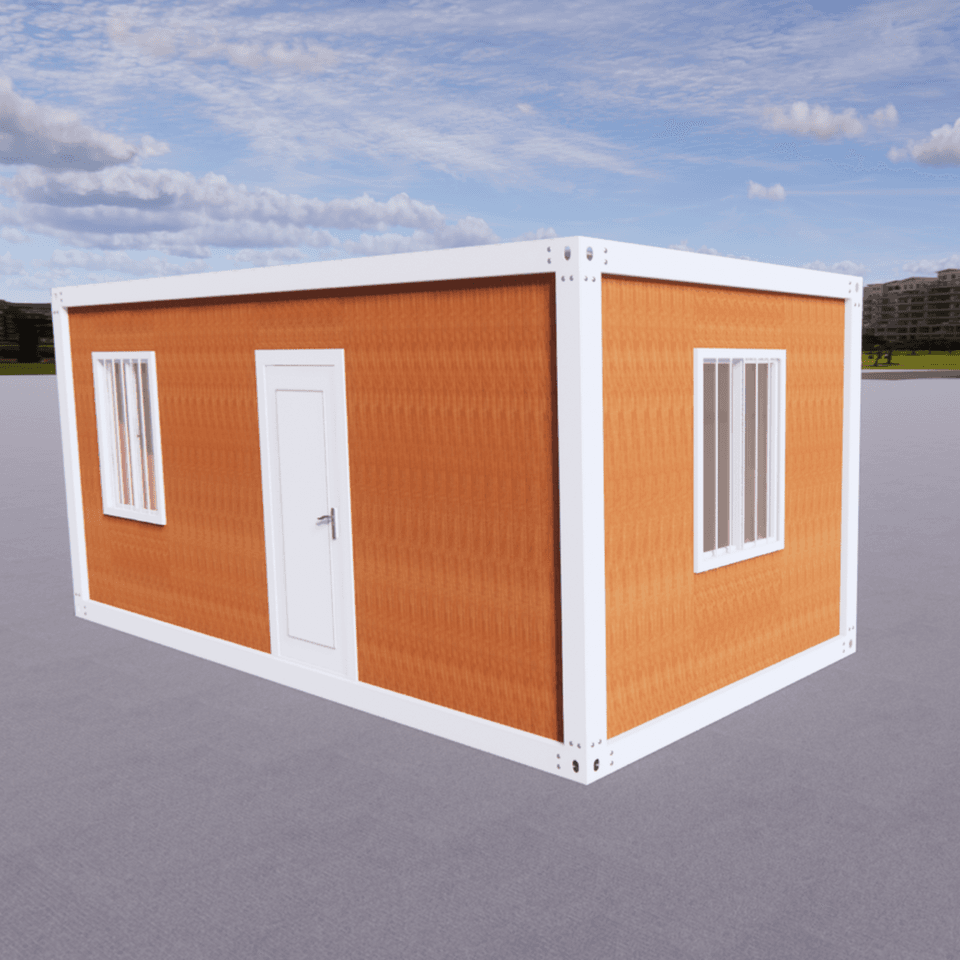
Open-air Container House
Admin 15 de septiembre de 2026
An open-air container house is a modular temporary building based on containers, featuring mobility, easy assembly, and relatively low cost. It is widely used in scenarios such as construction site dormitories, field operations, and temporary housing in tourist attractions, but attention should be paid to fire safety and structural stability.
Structure and Types
Open-air container houses usually take standard shipping containers as frames and achieve residential or office functions by transforming the interior space. According to materials and uses, they can be divided into:
- Color-steel sandwich panel containers: With color-steel plates as the outer layer and materials such as polystyrene or rock wool filled inside, they are relatively inexpensive (about 4600 - 5000 yuan per unit), but fire resistance should be noted.
- Steel-structure quick-assembly boxes: They adopt anti-rust steel structural frames, paired with hollow glass and precision hardware fittings, offering better sound insulation and heat insulation performance (for example, the 3m×6m×2.8m model costs about 499 yuan per square meter) and support customization of sizes and functions.
- Folding container houses: Through folding design, they reduce transportation volume and are suitable for temporary use on construction sites. Some products offer a 7-day replacement guarantee and 48-hour delivery service.
Application Scenarios
- Construction sites: As worker dormitories or offices, due to their characteristics of rapid assembly and disassembly, they can adapt to changes in project cycles.
- Emergency rescue: After natural disasters (such as heavy rain and earthquakes), they serve as temporary shelters, but structural stability and waterproof performance must be ensured.
- Tourism and commerce: Some scenic spots use containers to be transformed into homestays and shops, and modular design is required to enhance aesthetics and comfort.
Safety Hazards and Improvements
- Fire risk: Some low-priced products use flammable polystyrene sandwich panels, which burn rapidly and are highly toxic in case of fire. It is recommended to choose container houses filled with Class A fire-resistant rock wool panels, and equip them with fire extinguishing equipment and maintain safe distances.
- Structural stability: In extreme weather conditions such as heavy rain and strong winds, container houses may leak or collapse. It is necessary to regularly inspect the drainage system, reinforce connecting components, and avoid using them in areas with soft geology.
- Electrical safety: Wires should be equipped with protective sleeves to avoid unauthorized connections. Open-flame operations should maintain a safe distance.
Relacionados



