
Volver al blog
Artículo
Office Container Mobile House
Admin 16 de septiembre de 2026
The office container mobile house is transformed from containers as carriers, featuring flexible adaptation, controllable costs, and reusability. It comes in various types suitable for different office scenarios.
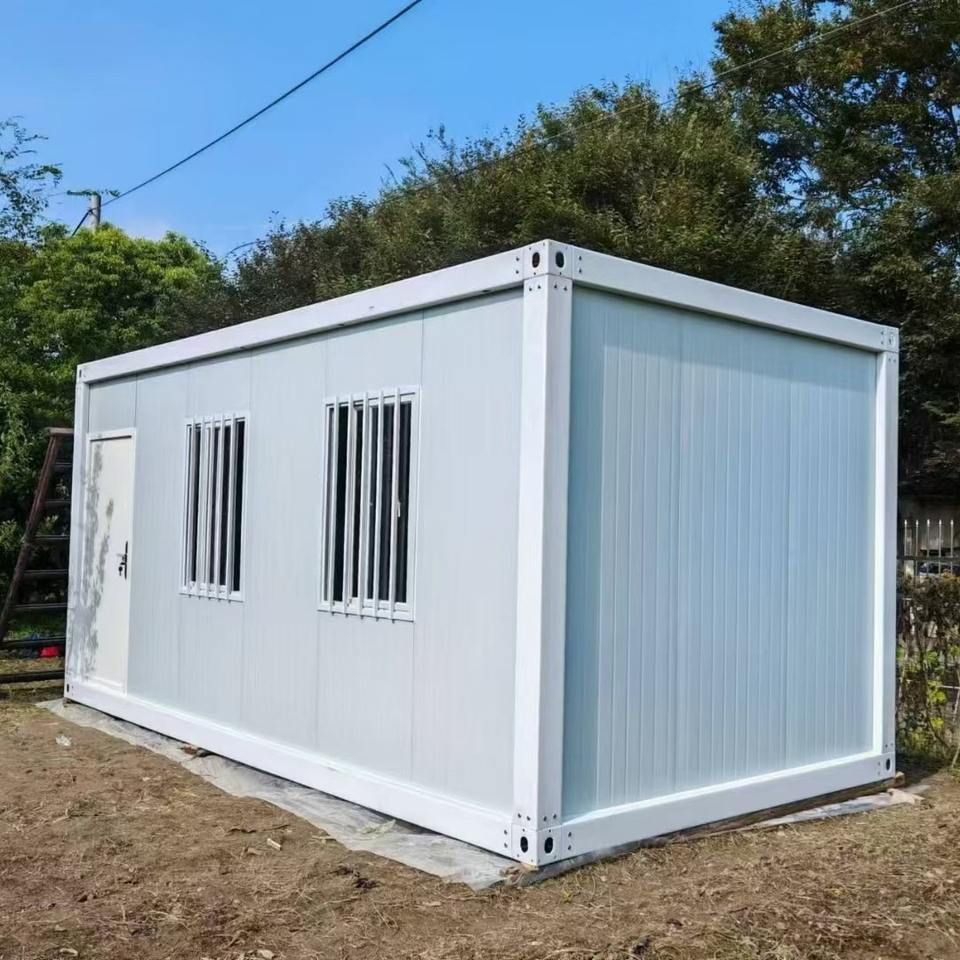
Types and Characteristics:
- Container-type Office Houses: Transformed from standard containers, commonly available in 20-foot and 40-foot sizes, and can be combined as single or multiple units. They have a sturdy structure and are easy to transport, making them suitable for project departments and construction site command centers. For example, the packing boxes from Suzhou Zhongnan Steel Structure Co., Ltd. feature a fully steel structural frame, with a tested wind resistance rating of 12 and an earthquake resistance rating of 8, and a frame deformation rate of only 0.18%.
- Foldable Office Houses: Designed with a folding structure, they compress in volume during transportation and can be quickly expanded upon arrival, with the expansion time for a single unit controlled within 30 minutes. They are suitable for office needs requiring frequent relocation, such as exploration teams and temporary command posts.
- Assembled Office Houses: Combining light steel keels with color-coated steel plates, they are modularly assembled on-site and can be flexibly expanded according to the number of people and functional divisions. They are commonly found in temporary offices in industrial parks and event planning sites.
- Expandable Office Houses: Equipped with side or end expansion modules on the basis of containers, they can increase the usable area by 30%-50% when expanded, making them suitable for long-term on-site offices with higher space comfort requirements.
- Customized Creative Office Houses: Incorporating elements such as glass curtain walls, wood grain finishes, and irregular structures, they are used for brand displays, cultural and creative parks, and high-end temporary offices, balancing functionality and visual expression.
Advantages:
- Flexibility and Sustainability: They can be quickly set up and flexibly relocated to different sites according to corporate needs. The steel structure is reusable, reducing the consumption of traditional building materials and aligning with green building trends.
- Cost-effectiveness: Compared to traditional fixed temporary buildings, they can reduce construction waste emissions by approximately 90%, have higher resource utilization rates, and under standardized use and regular maintenance conditions, the average number of disassembly and reuse times for top-compliant products can reach more than 8 times.
Relacionados



