
Of Course, Container House Assembly
The assembly of container houses is mainly achieved through modular design, standardized connectors, and rapid on-site assembly, offering high efficiency, flexibility, and scalability. Here are the specific assembly methods and technical highlights:
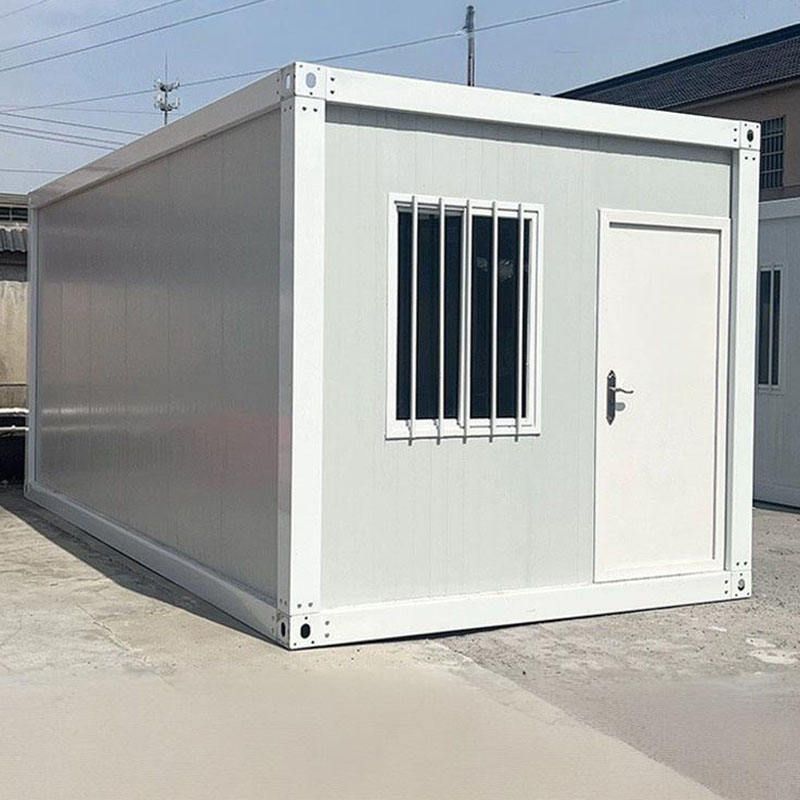
1. Modular Assembly Design
Container houses use standard containers (such as 20-foot and 40-foot units) as basic modules, enabling multi-container assembly through modular design. For example, the quick-assembly containers from Zhongnan in Suzhou support on-demand combination, allowing the construction of 10 standard dormitory units in just one day. Their packing containers come pre-installed with interiors and facilities at the factory, requiring only on-site hoisting for immediate use. This 'factory prefabrication + on-site quick assembly' model significantly shortens construction time. The Qatar World Cup Fan Village project adopted this approach, delivering 1,000 accommodation modules in three months, 40% faster than the industry average.
2. Standardized Connectors and Rapid Installation
The assembly process relies on standardized connectors such as bolts and corner fittings to ensure structural stability and ease of installation. Quick-assembly container houses use screw connections, eliminating the need for welding. For instance, the fire-resistant box-type houses produced in Weifang, Shandong, feature a lightweight steel frame and sandwich panel cladding, with bolted connections between color-steel container components for rapid assembly. Additionally, expandable container houses add lateral or end expansion modules to the base container, increasing usable area by 30%-50% to meet the space needs of long-term on-site offices.
3. Scenario-Based Assembly Solutions
Assembly methods are flexibly adjusted based on usage scenarios:
- Construction Sites: Quick-assembly containers or foldable office containers are used, with the former requiring only 2 hours for single-unit installation and the latter unfolding in under 30 minutes, suitable for frequent relocation needs.
- Temporary Events: Modular office containers combine lightweight steel frames with color-steel panels for on-site modular assembly, allowing flexible expansion based on occupancy and functional zoning, commonly seen in temporary park offices or event planning sites.
- Long-Term On-Site Presence: Expandable container houses enhance spatial comfort by adding expansion modules, ideal for scenarios with higher living condition requirements.
4. International Assembly Standards
In cross-border projects, container house assembly must comply with target market standards. For example, the 'building block houses' manufactured in Jingjiang are shipped overseas in four independent modules within containers and directly assembled into fully furnished residences upon arrival in North America. Processes such as kitchen and bathroom layouts and electromechanical piping installations are completed at the factory, requiring only module assembly and utility connections on-site. This approach meets green construction requirements while improving product quality control precision.



