
Ocean-going Mobile Toilet
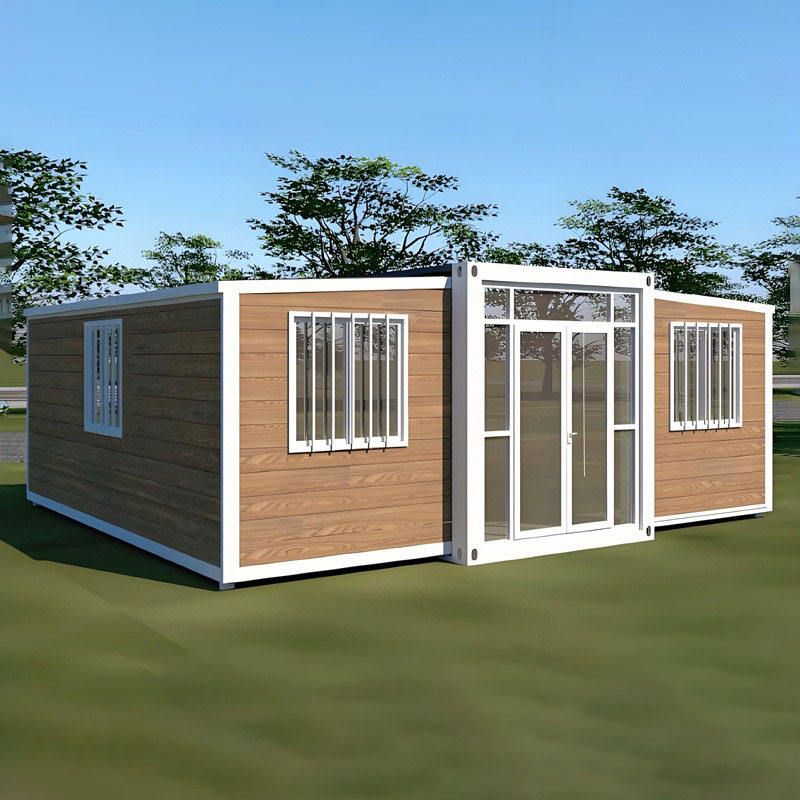
Ocean-going mobile toilets are mobile sanitation facilities specifically designed for ships, combining the robustness of containers with toilet functionality, suitable for scenarios such as ocean-going vessels.
1. Material and Corrosion Resistance
The main structure of ocean-going mobile toilets is typically made of galvanized steel plate or aluminum alloy, with anti-corrosion treatment on the surface, effectively resisting seawater erosion. This design ensures that the equipment can maintain structural integrity and functionality even when exposed to high-salt and high-humidity marine environments for extended periods, extending its service life.
2. Structural Stability and Wind-wave Resistance
Its container frame must pass rigorous ship-swing tests to adapt to the strong wind and wave conditions that may be encountered during ocean voyages. This design ensures that the toilet cabin remains stable even when the ship is violently shaking or tilting, avoiding safety hazards caused by structural loosening.
3. Sewage Disposal System and Environmental Standards
Ocean-going mobile toilets are equipped with advanced sewage disposal technologies, mainly including vacuum collection and biodegradation. The vacuum collection system quickly sucks waste through negative pressure, reducing odor diffusion; the biodegradation technology uses microorganisms to decompose organic matter, achieving harmless treatment. All sewage disposal designs comply with the environmental standards of the International Maritime Organization (IMO), ensuring minimal pollution to the marine environment.
4. Space Optimization and Functional Integration
The internal layout is compact and fully functional, typically including squatting positions, urinals, washbasins, and storage areas, meeting the basic sanitation needs of crew members. Some high-end models also adopt a modular design, allowing flexible adjustment of the layout according to the ship's space, improving usage efficiency.
5. Stability Design in Dynamic Environments
In response to the vibration, tilting, and other dynamic conditions during ship navigation, ocean-going mobile toilets ensure stable operation under extreme conditions through measures such as reinforcing connecting components and optimizing the center of gravity distribution. For example, washbasins and storage cabinets may be equipped with anti-slip fixing devices to prevent items from slipping.
6. Environmental Protection and Resource Recycling Technologies
Some mobile toilets adopt closed-loop technologies to achieve efficient resource utilization, such as precisely controlling the amount of water used for flushing through infrared or capacitive sensing technologies, transporting waste using pneumatic or vacuum negative pressure technologies, and treating waste using biological treatment or physical-chemical methods. In addition, water resource recycling and nutrient recovery technologies can further reduce freshwater consumption, aligning with sustainable design concepts.



