
Northwest Mobile Tent Toilet
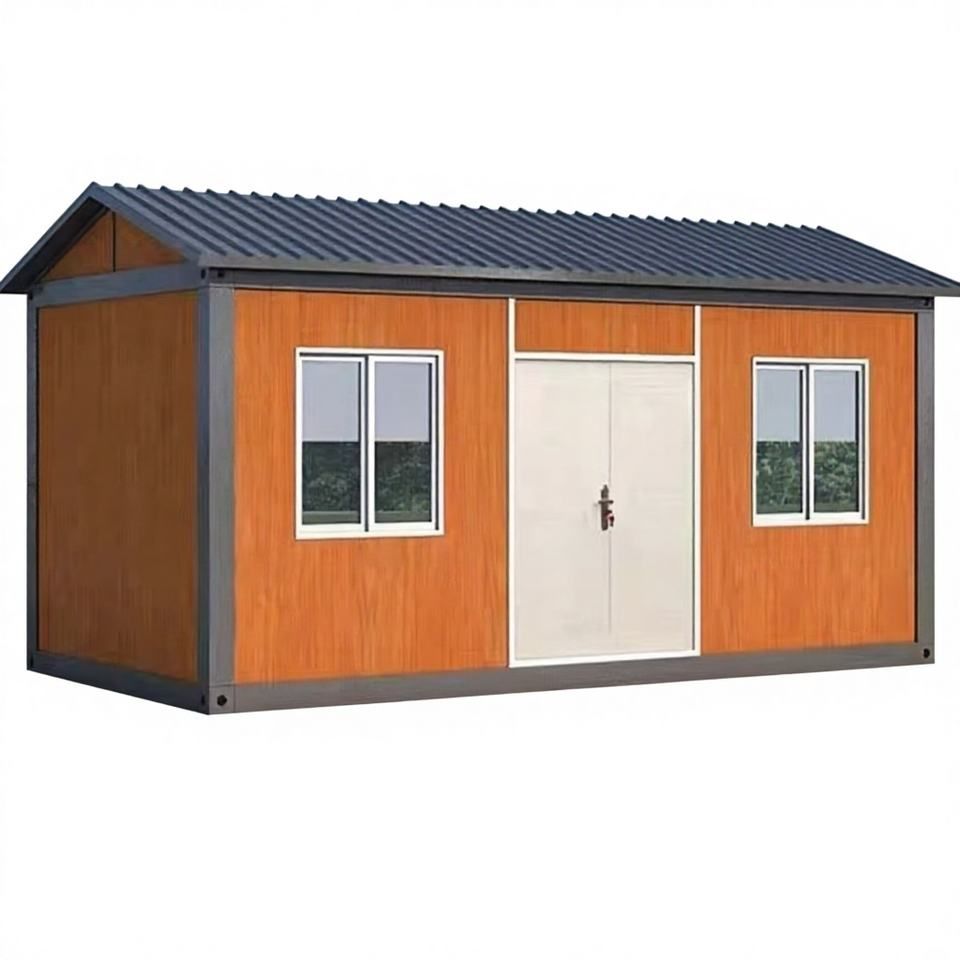
The Northwest Mobile Tent Toilet is a high-quality mobile toilet type for scenic spots, designed to meet the special environmental and cultural tourism needs of the northwest region. Its design, production, and application require comprehensive consideration of the following core dimensions:
1. Structural Safety and Durability
The northwest region experiences large temperature differences between day and night, strong sandstorms, and high ultraviolet radiation, imposing stringent requirements on the materials and craftsmanship of mobile tent toilets. The main frame must be made of galvanized steel or stainless steel (with a thickness of ≥2.5mm), ensuring an earthquake and wind resistance rating of over 8 and a load-bearing capacity meeting the standard of 200kg/㎡. The welding process must pass non-destructive testing, and anti-corrosion treatment should employ fluorocarbon paint or spray-coating processes to resist sand erosion and ultraviolet aging. Sealing design should focus on strengthening areas such as doors, windows, and joints to prevent sand intrusion and improve thermal insulation performance.
2. Functional Configuration and Intelligence
Functional design should balance practicality and ecological friendliness. The water-saving shower system uses vacuum suction or foam sealing technology to control single-use water volume to within 0.5L; odor control employs positive and negative pressure fresh air systems combined with photocatalyst or activated carbon filtration modules to ensure air quality standards. Anti-freezing treatment uses electric tracing tape or ground-source heat pump technology to ensure normal operation of pipes and water tanks in winter. Barrier-free facilities must comply with the "Barrier-Free Design Code" (GB 50763-2012), including ramps, handrails, and low-position washbasins. In terms of intelligence, it can integrate passenger flow statistics, environmental monitoring (temperature, humidity, PM2.5), and remote maintenance systems to improve management efficiency.
3. Environmental Adaptation and Aesthetics
The exterior design should deeply integrate with the cultural characteristics of northwest scenic spots. For example, the Yellow River scenic line area can adopt antique brick or wooden texture exterior walls, while the Danxia landform area is suitable for a modern minimalist style, using metal carved panels or real stone paint to enhance visual harmony. Thermal insulation performance should be achieved through materials with a K-value (thermal conductivity coefficient) of ≤0.5W/(㎡·K), such as polyurethane sandwich panels or rock wool panels. Color selection should primarily focus on low saturation to avoid visual conflicts with natural landscapes.
4. Production, Delivery, and Service
Modular and prefabricated production can shorten the cycle to 15-20 days, improving on-site installation efficiency by over 40%. Local manufacturers have significant advantages in logistics costs, customization communication, and after-sales response. For example, manufacturers around Lanzhou can provide on-site maintenance within 2 hours. The maintenance system should include regular inspections, consumable replacements, and emergency repair services to ensure an annual failure-free operation rate of ≥95% for the toilets.
This type of toilet has verified its technical feasibility in the upgrading and renovation of the Tiananmen area in Beijing, and its barrier-free facilities and privacy protection design provide a replicable benchmark case for northwest scenic spots.



