
Non-movable Toilet
Non-movable toilets typically refer to fixed public toilets, which are permanent or semi-permanent structures suitable for locations with stable pedestrian traffic and long-term use. Their construction methods, sewage systems, and wall materials all have clear technical specifications.
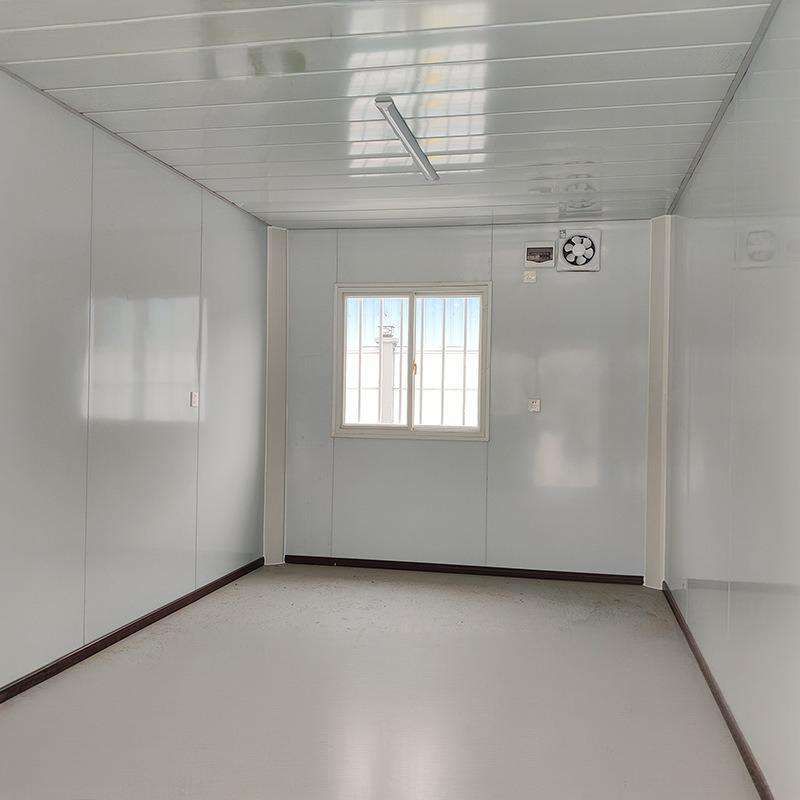
Construction Methods: Coexistence of Traditional and Prefabricated Structures
The construction methods for fixed public toilets mainly fall into two categories:
- Traditional Brick-and-Mortar Structures: Built on-site using materials such as red bricks and concrete, these structures offer the advantages of durability, good sound and thermal insulation, and flexible design based on the site. However, the construction period is relatively long (usually 1-3 months), generating a significant amount of construction waste that can impact the surrounding environment.
- Prefabricated Structures: Modules such as walls and roofs are prefabricated in factories and assembled on-site. Their key advantages include fast construction speed (completion in 1-2 weeks), minimal weather impact, and controllable quality. Additionally, they are more environmentally friendly due to reduced on-site wet work.
Sewage Systems: Technical Differences Determine Suitable Scenarios
The sewage system is a core distinction between fixed public toilets and mobile toilets. Common technologies include:
- Water-Flush Direct Discharge System: Directly connected to the municipal sewage network, this system uses water to flush and discharge waste. It offers a good user experience with no odors but consumes a large amount of water and relies on a well-developed municipal sewage network, making it common in urban centers.
- Microbial Degradation System: Utilizes microbial strains to decompose waste into water and carbon dioxide, achieving zero discharge and water conservation. This system is particularly suitable for areas with water scarcity or inadequate sewage networks (e.g., remote scenic spots). However, it requires regular maintenance of the microbial strains and attention to energy consumption.
- Vacuum Negative Pressure System: Uses vacuum suction to draw waste into a collection tank, consuming extremely low water volumes (0.5-1 liters per use). This high-tech system has high construction and maintenance costs and is commonly found in high-end venues or areas with strict water conservation requirements.
Wall Materials: Impact on Lifespan and Maintenance Costs
The wall materials for fixed public toilets must balance durability and aesthetics:
- Metal Carved Panels: Composed of a metal panel and a polyurethane insulation layer, these panels offer thermal insulation, corrosion resistance, and easy cleaning. However, the coating may age and fade after long-term outdoor use, requiring regular maintenance.
- Stainless Steel/Color-Coated Steel Sheets: These materials are strong and weather-resistant but have weaker thermal insulation properties, making them suitable for cost-sensitive scenarios.
Through technological advancements and material optimization, fixed public toilets have developed solutions tailored to different scenarios, offering stability and functionality that mobile toilets struggle to match.



