
Ningxia Container House and Tile-Roofed House
The supply, application, and procurement key points of container houses (including those with tile-roofed structures) in Ningxia are as follows:
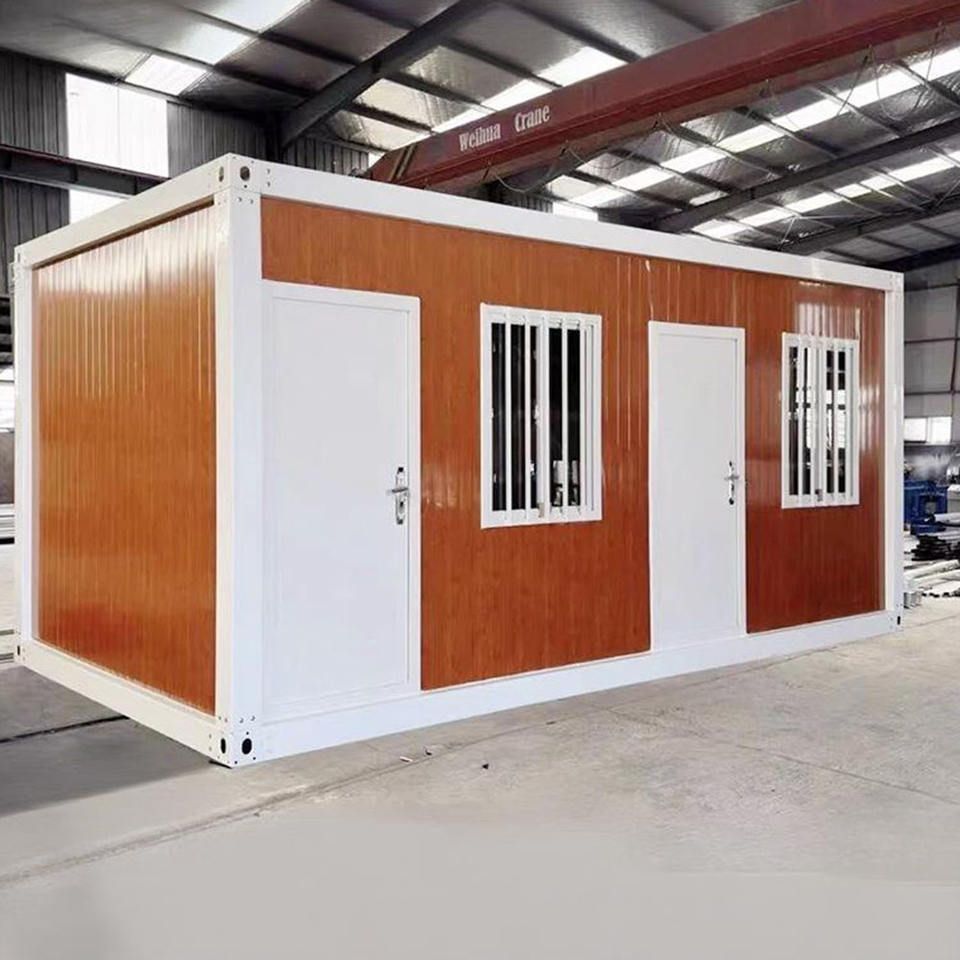
I. Supply Channels and Service Provider Types
There are various types of container house suppliers in Ningxia and its surrounding areas, including second-hand container recycling and renovation enterprises (such as Yinchuan Xingqing District Ruixinda Building Materials Distribution Department, Ningxia Chengxin Pioneering Container Leasing Co., Ltd.), professional container mobile panel house factories (such as Helan County Desheng Delisi Container Mobile Panel House Factory), and comprehensive steel structure engineering enterprises (such as Delingha residential container manufacturers). These service providers offer products including second-hand container renovated houses, brand-new customized container houses, and movable panel houses, which can meet the needs of various scenarios such as temporary offices, worker accommodations, and warehousing.
II. Product Features and Advantages
- Structure and Materials: Container houses are made of profiled steel, steel plates, flame-retardant sandwich panels, concrete, and other materials through standard processes to form integrated movable houses. They have features such as mobility, reusability, safety, and environmental friendliness. For example, the products of Delisi Factory in Helan County incorporate modern home design concepts. The thickness of the galvanized layer on the box frame and the flame-retardant grade of the insulation materials meet national standards, and their load-bearing and fire-resistance performance are superior to traditional movable panel houses.
- Functional Adaptability: In response to the climate characteristics of large temperature differences between day and night and frequent sandstorms in Ningxia, some products improve living comfort through design optimizations such as using better insulation materials (e.g., 75mm rock wool color steel plates) and sealing strips (made of ethylene propylene diene monomer). Foldable container houses reduce transportation and storage costs by minimizing welded parts and supporting multi-layer stacking.
III. Application Scenarios and Procurement Suggestions
- Common Scenarios: These include temporary office areas on construction sites, worker dormitories, storage of materials, and emergency relief housing. For example, municipal engineering projects should prioritize service providers with strong local scheduling capabilities and well-maintained equipment; civil engineering projects need to focus on insulation performance; and demolition projects require fast installation and mobility capabilities.
- Procurement Key Points:
- Qualification Verification: Choose enterprises with steel structure engineering contracting qualifications and safety production licenses to avoid using boxes made of second-hand steel or inferior rock wool.
- Delivery Capability: Confirm the production cycle (e.g., drawing preparation within 7 days and delivery within 15 days), in-house worker teams, and local after-sales service points in Ningxia to cope with winter breaks or sudden demands.
- Cost Transparency: Require detailed quotations including the unit price of the box, accessory packages, transportation, and labor costs. Be wary of price increases for non-standard accessories or vague terms (e.g., "all-inclusive price" excluding transportation and upstairs fees).
- Contract Terms: Clearly specify material specifications (steel brand, thickness, flame-retardant grade), wind and earthquake resistance grades (at least wind resistance grade 8 in Ningxia), acceptance standards (based on the national standard GB/T 29734), and penalties for overdue delivery.



