
Demolition of Prefabricated Slab Houses in Ningdu
The demolition of prefabricated slab houses in Ningdu involves multiple aspects such as structural assessment, policy compensation, process implementation, and legal protection. The key points are as follows:
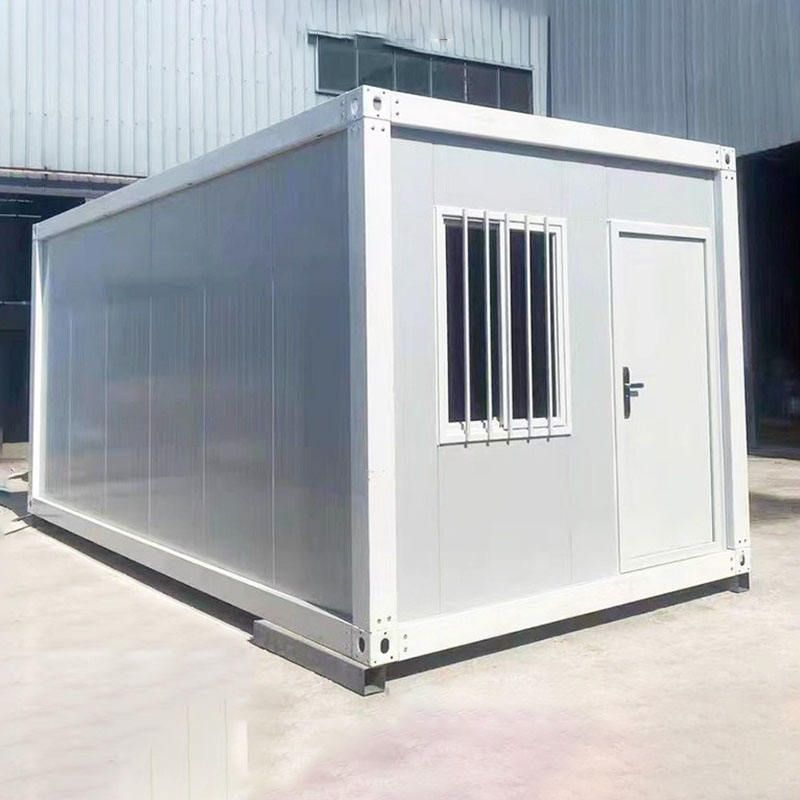
I. Background and Decision-Making Basis for Demolition Prefabricated slab houses are typically demolished for three main reasons:
- Structural Safety Assessment: The government organizes professional institutions to conduct safety appraisals of the houses. If a house is identified as severely dangerous and beyond repair, it is included in the demolition scope.
- Urban Planning Needs: When the area where the houses are located is incorporated into urban renewal, major project construction, or shantytown renovation plans, demolition is required according to the planning requirements.
- Improvement of Living Environment: If the supporting facilities in the housing community are outdated and the living conditions are poor, the government may enhance residents' quality of life through demolition and reconstruction.
II. Compensation Policies and Resettlement Measures Compensation methods include:
- Monetary Compensation: The compensation amount is determined based on the house's area, structure, degree of newness, and the local economic level.
- Property Rights Exchange: New housing is exchanged at a certain ratio (e.g., 1:1 or 1:1.1) to ensure that residents' housing area does not decrease.
- Incentive Policies: Residents who actively cooperate with the demolition are given cash rewards or priority in allocating homesteads and subsequent housing construction resources. In terms of transitional resettlement, the government provides temporary housing or rental subsidies to address residents' housing needs during the demolition period.
III. Demolition Process and Implementation Steps
- Safety Appraisal and Public Announcement: Professional institutions issue appraisal reports and publicly announce the safety status of the houses to residents.
- Formulation of Demolition Plan: The demolition time, method, compensation standards, etc., are clearly defined, and public opinions are solicited from residents.
- Negotiation and Contract Signing: After the government and residents reach an agreement on the plan, a compensation agreement is signed to clarify the rights and obligations of both parties.
- Organization and Implementation: The government coordinates relevant departments to provide technical guidance to ensure a safe and orderly demolition process, avoiding impacts on surrounding buildings and residents.
IV. Legal Protection and Residents' Rights Demolition work must strictly comply with laws and regulations to ensure:
- Safety: Structural appraisals must be completed before demolition to avoid secondary safety hazards caused by demolition.
- Legality: Demolition must comply with urban planning requirements, and compensation standards must be transparent and open.
- Rights Protection: Residents have the right to receive reasonable compensation, including monetary compensation, housing exchange, and relocation expenses, with specific standards referring to local policies.
Case Reference: In the shantytown renovation project in the Meijiang Old Town of Ningdu County, the government issued a special expropriation and compensation plan, clearly defining the expropriation scope, implementing unit, and compensation basis, providing a standardized operation template for the demolition of prefabricated slab houses.



