
Ningbo Marathon Mobile Toilets
The planning and management of mobile toilets for the Ningbo Marathon cover multiple aspects, including quantity distribution, type configuration, sanitation management, convenience, and technological enhancements.
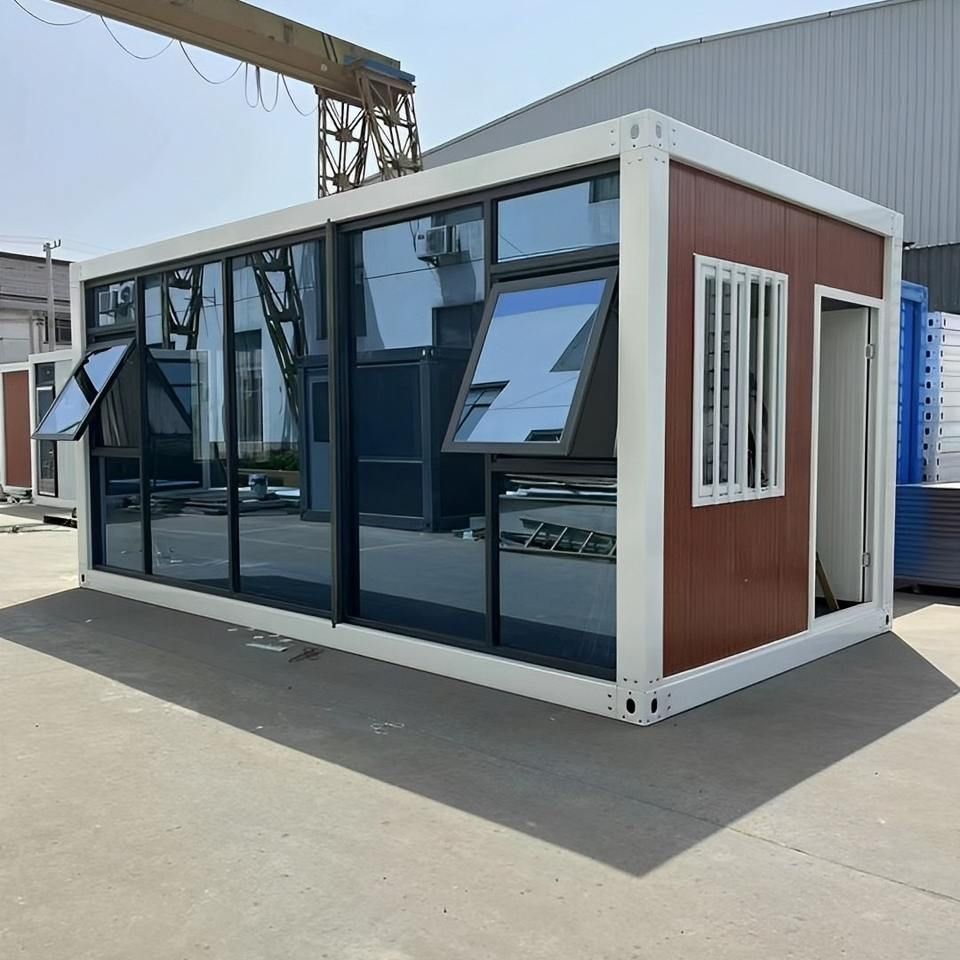
In terms of quantity and distribution, the Ningbo Marathon is a large-scale event with a significant number of participants and spectators. The organizers arrange the number of mobile toilets based on the locations of the starting point, finishing point, and refreshment stations along the route, as well as the expected foot traffic. By scientifically calculating the usage ratio of each toilet, they ensure that there are sufficient mobile toilets available in key areas of the event to avoid shortages.
Regarding types and configurations, various types of mobile toilets are provided to meet the needs of different groups. Standard mobile toilets are suitable for most runners and spectators; dedicated female toilets enhance convenience for female participants; and accessible toilets are equipped to meet the special needs of individuals with disabilities. Toilet configurations typically include handwashing facilities and paper towels to improve user comfort and hygiene.
Sanitation management is a crucial aspect. The event organizers arrange dedicated cleaning teams to regularly clean and disinfect the mobile toilets. Cleaning tasks include checking the water supply and cleaning agent availability, promptly disposing of generated waste and dirt, and ensuring that the mobile toilets remain in good condition, especially during peak event times.
The convenience of mobile toilets significantly impacts the event experience. Unreasonable layout and distance settings can lead to long wait times and crowded conditions for participants, causing anxiety before the race. Conversely, a reasonable layout and clear signage can reduce wait times and improve participant satisfaction. The organizers also provide information and guidance in advance to inform participants of the specific locations of the mobile toilets, minimizing the time spent searching for them on-site.
In recent years, some event organizers have introduced smart mobile toilets equipped with sensors to monitor usage and sanitation status in real-time. These toilets provide users with real-time information through mobile applications, helping them quickly find suitable locations. Some smart mobile toilets are also equipped with automatic cleaning systems, further enhancing hygiene standards.



