
New Type of Prefabricated Panel for Houses
New types of prefabricated panels for houses mainly include directly adherable wall prefabricated panels and modular prefabricated components used in prefabricated buildings, characterized by convenient construction, superior performance, and improved efficiency.
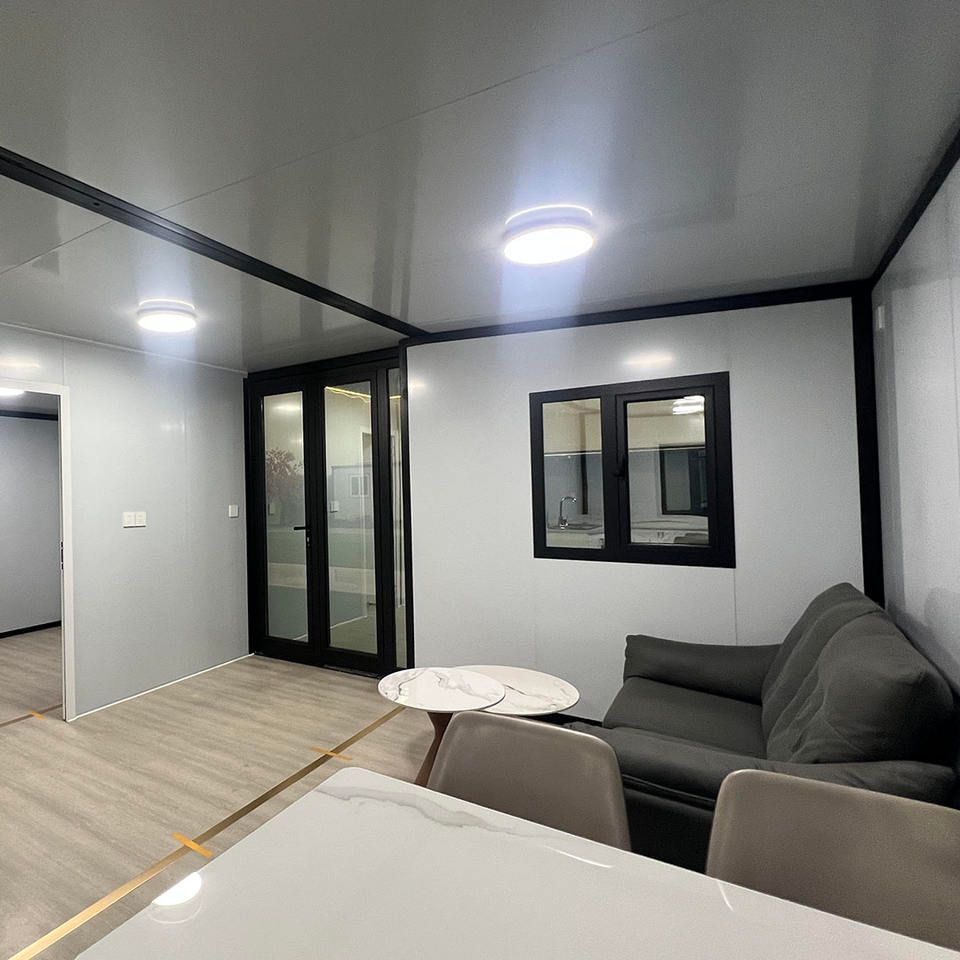
I. Directly Adherable Wall Prefabricated Panels
This new type of prefabricated panel breaks through the installation methods of traditional wall materials. No cement or complex engineering is required, and it can be directly adhered to the wall by applying special adhesive. Its core advantages are as follows:
- Construction Convenience: It eliminates steps such as base treatment and cement mortar application in traditional wall decoration, significantly shortening the construction period, especially suitable for renovation of old houses or temporary building scenarios.
- Functional Characteristics: It possesses waterproof and fireproof properties, achieved through material surface treatment or the addition of flame retardants internally, meeting the fire prevention requirements of humid environments such as kitchens and bathrooms, as well as public buildings.
- Material Adaptability: It is suitable for various bases such as concrete, brick walls, and gypsum boards, with low requirements for wall flatness, reducing the construction threshold.
II. Modular Prefabricated Components in Prefabricated Buildings
Prefabricated panel technology has extended to the overall structure of buildings, forming a new development direction represented by prefabricated buildings, with CMC combined modular buildings as a typical example:
- Technical Principle: It adopts a steel-concrete integral pouring process, completing modular production of prefabricated components (such as walls, floors, and beams and columns) in the factory, and quickly assembling them on-site through bolts or welding.
- Performance Improvement: The steel-concrete composite structure significantly enhances the building's earthquake resistance, capable of withstanding medium to high-intensity earthquakes; at the same time, modular design improves component precision and reduces on-site errors.
- Efficiency Advantages: The construction period is shortened by 30% compared to traditional methods, and factory production reduces on-site wet operations, lowering dust and noise pollution, in line with green building trends.
III. Application Scenarios and Development Trends
New prefabricated panel technology has covered multi-level needs from wall decoration to building main structures:
- Wall Prefabricated Panels: Suitable for rapid renovation of residential and commercial spaces, especially suitable for the rental housing market or emergency buildings.
- Prefabricated Modules: Widely used in public buildings such as schools, hospitals, and hotels, as well as scenarios with strict construction period requirements such as post-disaster reconstruction. In the future, with the progress of material science (such as high-strength composite materials) and intelligent manufacturing technology, prefabricated panels will develop towards lightweight, high integration, and intelligence, further promoting the industrial transformation of the construction industry.



