
Earthquake Resistance of Container Houses in Muping District
Container houses in Muping District possess relatively strong earthquake resistance, but this requires reasonable design, construction, and maintenance to ensure their seismic performance.
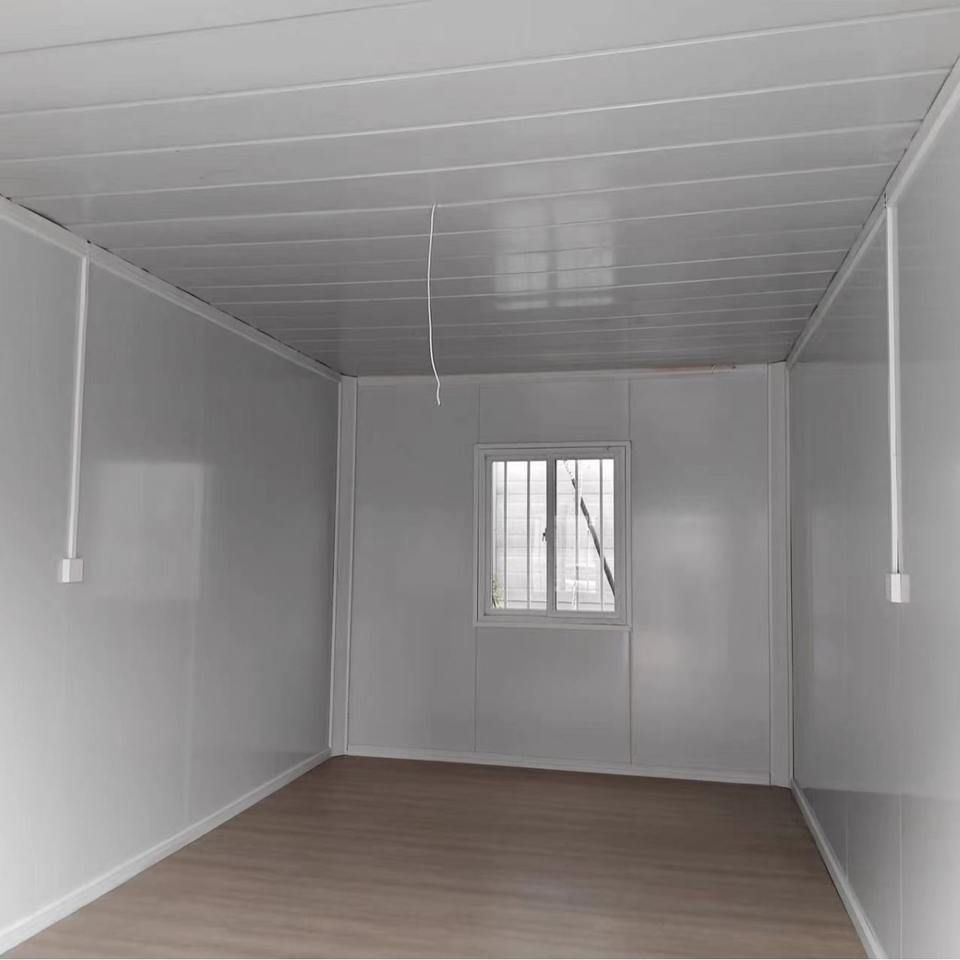
Basis for Seismic Performance of Container Houses
The earthquake resistance of container houses stems from their original design characteristics. Containers are manufactured to withstand harsh marine environments, such as waves and turbulence. Their structures are welded from high-strength steel, providing strong integrity and high rigidity. This design enables them to effectively disperse stress and reduce the risk of local deformation when subjected to lateral or vertical external forces, such as those during an earthquake. The external steel shell is the core structure for earthquake resistance, capable of withstanding direct impacts from water currents, wind pressure, and seismic waves, demonstrating high compressive and deformation resistance.
Key Measures to Enhance Earthquake Resistance
- Foundation Reinforcement: The seismic performance of container houses is closely related to the stability of their foundations. During construction, the foundation should be compacted and leveled. If necessary, concrete foundations or pile foundations should be used to enhance the connection strength between the house and the ground, preventing tilting or collapse due to foundation settlement during an earthquake.
- Internal Support Strengthening: Adding steel support columns or beams inside the container can further improve its structural integrity. For example, installing vertical supports at the corners or in areas with large spans can effectively resist horizontal shear forces induced by earthquakes.
- Optimization of Connection Methods: Container houses are typically assembled from multiple modules, and the connection method at the joints directly affects their seismic performance. Welded connections can form rigid nodes, enhancing overall integrity; bolted connections facilitate disassembly but require ensuring that the bolt specifications and quantities meet seismic design requirements to prevent loosening.
Regulatory and Maintenance Safeguards
Although container houses have strong seismic performance, as building facilities, they must still comply with relevant regulations. The Muping District Housing and Urban-Rural Development Bureau has strengthened supervision over the survey, design, and construction phases of construction projects through special inspections, such as the seismic fortification inspection of the Blue Valley Life Island project in 2023, ensuring the implementation of seismic design codes. Regular maintenance is equally crucial: It is necessary to periodically inspect issues such as rust on steel components and loosening of connection nodes, promptly repairing or replacing damaged parts to avoid a reduction in overall seismic capacity due to local failures.
Seismic Management Practices in Muping District
Muping District has improved the seismic prevention and control level of regional building facilities through special inspections and code enforcement. This initiative not only applies to traditional buildings but also provides reference standards for new building forms such as container houses, emphasizing full-lifecycle seismic management from design to use.



