
Movable Kitchen and Toilet
Movable kitchen and toilet facilities include two main types: movable kitchen and bathroom units and portable toilets, each with distinct facility compositions, structural forms, and applicable scenarios.
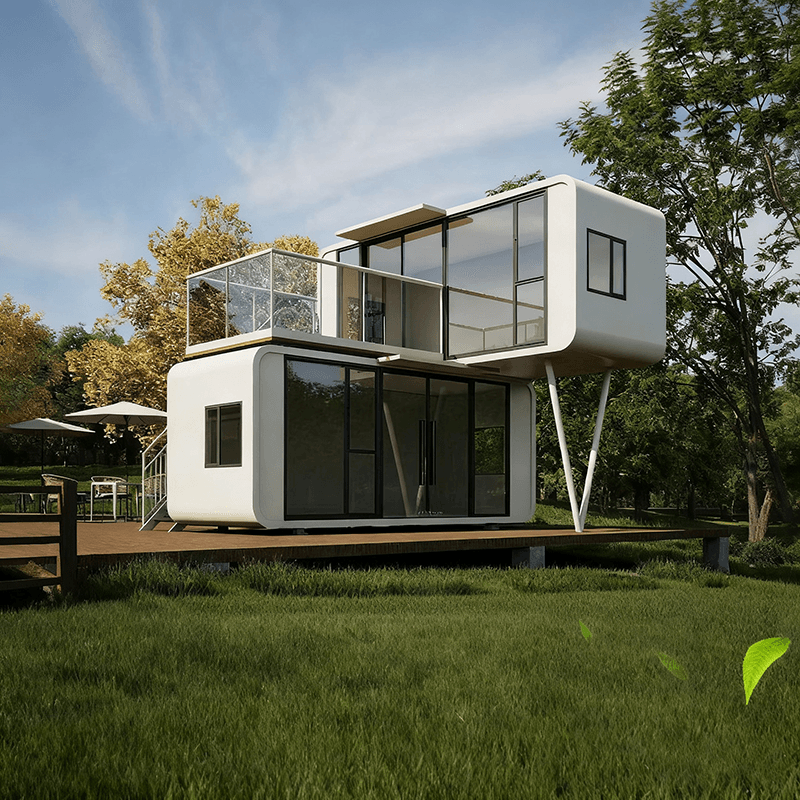
Movable kitchen and bathroom units are integrated facilities equipped with a complete water and electricity system, allowing for flexible relocation as needed. Their core configurations include electric basins with flush tanks, switches, ventilation fans, exhaust fans, and other basic equipment. The drainage pipes are pre-installed, eliminating the need for users to lay additional pipes. These facilities are typically used in temporary living scenarios, such as construction site dormitories, wilderness operation bases, or emergency disaster relief sites, enabling rapid setup and use to meet basic cooking and hygiene needs.
Portable toilets, on the other hand, focus on providing toilet services and can be categorized into three main types based on function and structure:
- By structural form: They are divided into single-unit structures and composite structures. Single-unit structures are independent units suitable for spaces with limited area; composite structures are composed of multiple modules and can be expanded to include multiple toilet stalls or additional functional areas.
- By mobility method: They include lifting and transporting types and powered towing types. The former rely on lifting equipment for overall transportation and are suitable for scenarios with fixed periodic relocation; the latter are equipped with power systems or towing devices and can be moved long distances by vehicle traction, commonly used in large-scale events or tourist attractions.
- By sewage treatment method: They are classified as water-flush types, waterless suction types, circulating water-flush types, and dry-packing types. Water-flush types rely on a water source for flushing and require a配套 (matching) sewage storage tank; waterless types treat feces through chemical agents or vacuum suction, suitable for water-scarce areas; circulating water-flush types use biodegradation technology to purify sewage, enabling water reuse; dry-packing types use degradable bags to collect feces, eliminating the need for water flushing and sewage pipes, with outstanding environmental friendliness.
Portable toilets have a wide range of applicable scenarios, covering public areas such as stations, docks, tourist attractions, and construction sites. Their modular design allows for rapid response to changes in pedestrian flow, effectively alleviating toilet pressure during peak periods. Some high-end models are also equipped with air conditioning, deodorization systems, and barrier-free facilities to enhance user comfort.



