
Monolithic Prefabricated PC House
Monolithic prefabricated PC houses are a modern form of construction where components are manufactured in factories and assembled on-site. They are characterized by high precision, high efficiency, and environmental friendliness, making them suitable for a variety of scenarios including residential buildings, industrial plants, and temporary facilities.
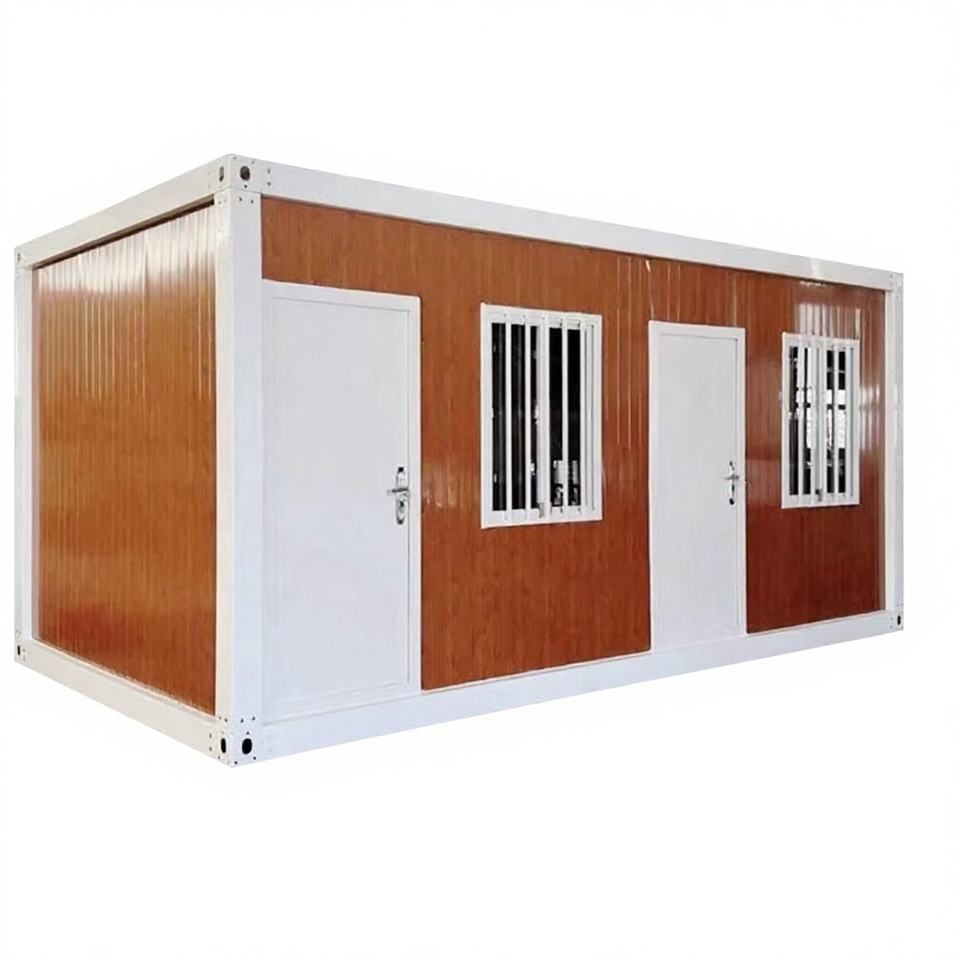
Technical Principles and Production Characteristics
The core technology of monolithic prefabricated PC houses relies on high-precision mold injection molding processes. Using standardized molds, components such as wall panels, floor slabs, and beams are prefabricated in factories with dimensional tolerances strictly controlled within the millimeter range. This industrial production method ensures the structural stability and durability of the components while transforming traditional on-site wet construction (such as concrete pouring) into factory-based dry construction, significantly reducing dust, noise pollution, and water waste during the construction process. After production, the components are transported to the construction site using specialized transportation tools and rapidly assembled using mechanized lifting techniques to form a complete building structure system.
Application Scenarios and Advantages
Their application scenarios are extensive, covering traditional residential buildings, industrial plants, warehousing facilities, and special modular spaces. For example, in hardware tool manufacturing bases or temporary facilities requiring rapid deployment, large prefabricated modules can provide spacious and sturdy spaces to meet industrial production or emergency needs. Additionally, monolithic prefabricated PC houses comply with green building standards. Modern prefabrication techniques integrate thermal insulation materials, achieving integration of the structural and enclosure systems, effectively enhancing the building's energy efficiency. Compared to traditional buildings, their installation period can be shortened by more than 50%, and their long-term maintenance costs are lower, making them particularly suitable for projects with high construction efficiency requirements.
Development Trends and Industry Value
As the construction industry transitions towards industrialization and intelligence, the advantages of monolithic prefabricated PC houses become increasingly prominent. Their standardized design, factory-based production, and assembly-based construction model not only improves the controllability of construction quality but also reduces overall costs through large-scale production. In the future, with the further integration of BIM technology and intelligent construction equipment, the precision and installation efficiency of prefabricated components will continue to improve, driving monolithic prefabricated PC houses to become important representatives of low-carbon, efficient, and sustainable buildings, widely applied in urban renewal, rural revitalization, and emergency support sectors.



