
Monolithic Mobile Toilet Product Introduction
The monolithic mobile toilet is a sanitation facility designed for flexible deployment through modular design and water-saving technology, suitable for public health needs in both temporary and permanent locations.
Technical Principles and Structural Composition
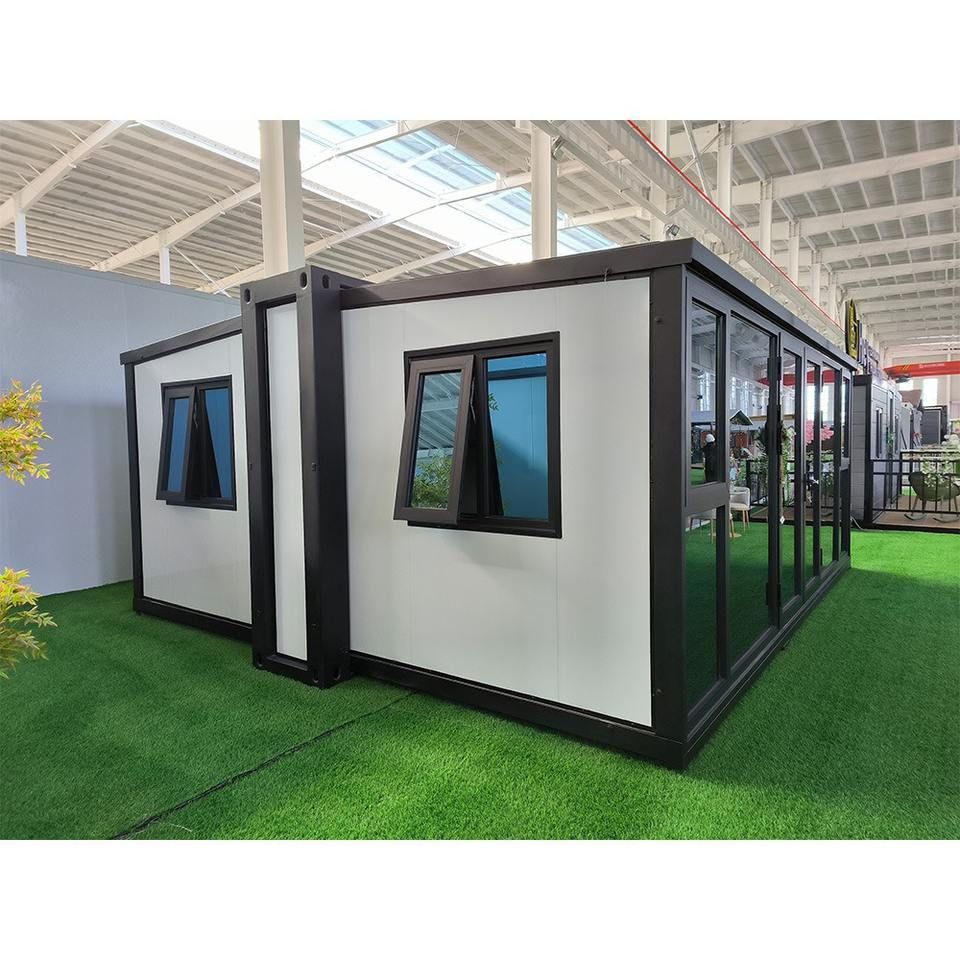
The monolithic mobile toilet features an integrated frame structure, typically rectangular in design, with a shell made primarily of high-strength composite materials or metal panels, offering waterproof and sealed properties. Wall materials include color-coated steel plates, fiberglass-reinforced plastics, stainless steel, and metal carved panels, with a frame structure supporting lifting requirements. The interior is equipped with a flushing system, sewage disposal unit, and refined interior decoration. Some models adopt waterless packaging technology, using biodegradable materials to encapsulate waste and reduce water consumption. The flushing system achieves a balance between powerful flushing and water conservation through optimized pipe design and pressure control, with some eco-friendly models equipped with graywater recycling systems to further reduce water usage. Safety features such as non-slip floors, ventilation systems, and emergency lighting are standard configurations, ensuring stability and comfort during use.
Usage Methods and Scene Adaptation
This facility supports instant disassembly and mobile deployment, with an installation period typically ranging from 7 to 10 days, and can be customized in size according to site requirements. Its application scenarios are extensive, including urban streets, park green spaces, stations, docks, tourist attractions, villa areas, newly built residential communities, large construction sites, squares, densely populated public places, and bustling commercial streets. During urban street renovations, it can replace traditional fixed public toilets to shorten construction periods; at exhibitions or scenic spots, it can quickly meet temporary needs through vehicle transportation. In terms of cleaning and maintenance, the modular structure allows for the separate replacement of damaged components. Waterless models only require regular cleaning of packaging bags, while water-flushing models need to be connected to municipal sewage pipes or equipped with septic tanks. The operation interface is simplified, requiring no special training for users, and maintenance personnel can complete daily upkeep through standardized procedures.
Technical Highlights and Actual Performance
Compared to traditional public toilets, its core advantages lie in flexibility and resource efficiency. Water-saving technology can reduce water consumption by over 60%, while waterless models are completely independent of water sources, making them suitable for arid or areas without a pipeline network. Safety performance is ensured through material strength testing and anti-leakage design, maintaining structural stability even during long-term outdoor use. The refined interior decoration enhances the user experience, with odor control and ventilation systems effectively managing odors, meeting public health standards. Accumulated industry experience has led to optimizations in wind and earthquake resistance, corrosion resistance, and other details, extending the equipment's service life.



