
Modular Container House: What to Know Before You Buy
Before purchasing a modular container house, it is essential to understand its design features, structural advantages, customization capabilities, installation efficiency, and type diversity to ensure it meets actual needs and avoids potential risks.
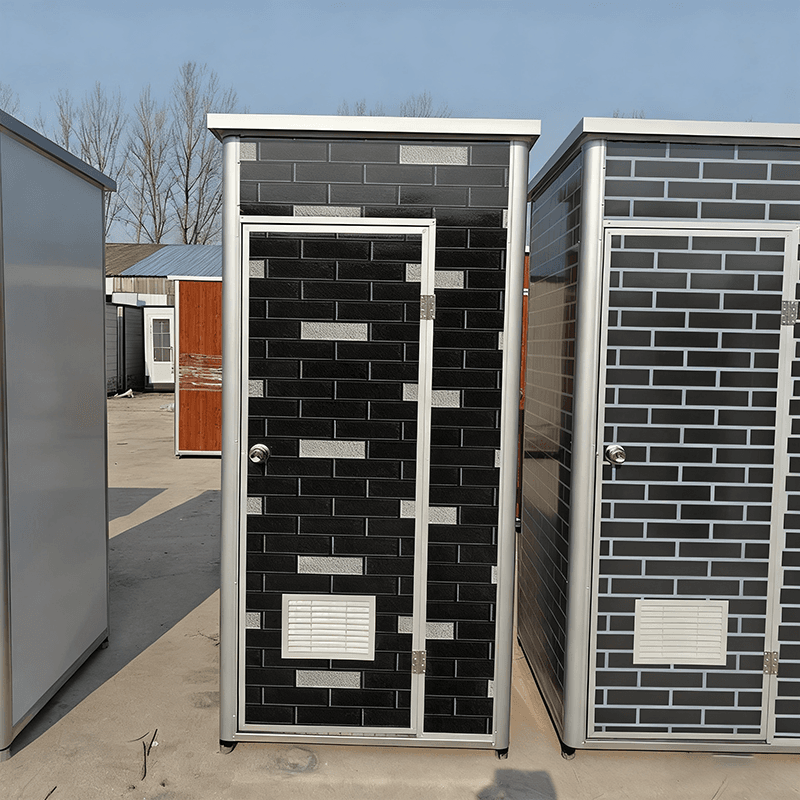
1. Structural Features and Durability
Modular container houses are constructed with a galvanized steel frame and waterproof sandwich panels as the core structure. Some models can be equipped with weathering steel (Corten Steel) to enhance corrosion resistance. This design enables them to withstand extreme weather conditions (such as strong winds, heavy rain, and severe cold) while maintaining long-term structural stability. Their prefabricated nature reduces on-site construction errors, ensuring overall strength and safety, making them suitable for long-term residence or commercial use.
2. High Customization Capabilities
The layout, dimensions, and interior finishes of the house can all be customized according to needs. Users can freely combine multiple units to expand into different functional spaces such as residences, dormitories, hotels, or commercial buildings. For example, by stacking or connecting containers, multi-story buildings or open public areas can be quickly constructed. Interior finishing materials (such as flooring, wall coverings, and lighting) can also be selected as needed, balancing practicality and aesthetics.
3. Rapid Installation and Cost-Effectiveness
Thanks to the pre-assembly of key components (such as roofs and floors) in the factory, on-site installation only requires connecting the modules and completing basic construction, reducing the installation period by more than 50% compared to traditional buildings. This efficiency lowers labor and time costs, making it particularly suitable for emergency housing needs or temporary commercial venues. Additionally, modular design reduces material waste, and long-term maintenance costs are lower than those of traditional buildings.
4. Type Diversity
According to their uses and scenarios, modular container houses are classified into the following types:
- Expandable Type: Features a folding or sliding structure for rapid installation and transportation, suitable for post-disaster reconstruction or temporary event venues.
- Luxury Type: Equipped with high-end finishes and smart home systems to meet modern living needs.
- Micro Prefab Type: Compact design, suitable for small residential units or independent studios.
- Portable Type: Lightweight structure, commonly used for offices, campsites, or temporary housing.
5. Applicable Scenarios and Limitations
Despite their significant advantages, it is important to note the following:
- Site Requirements: Requires a level ground and foundational support; additional approvals may be needed in some areas.
- Insulation and Ventilation: In extreme climates, enhanced insulation or ventilation design is necessary to ensure comfort.
- Long-Term Value: Although durable, the liquidity in the second-hand market is low, so long-term usage plans should be evaluated.
Before purchasing, it is recommended to conduct a comprehensive assessment based on budget, purpose, and local regulations to maximize cost-effectiveness and practicality.



