
Modular Container House Insulation
Insulation of modular container houses can be achieved through the optimization of wall insulation systems, roof insulation design, enhanced sealing performance, the addition of thermal insulation air layers, the improvement of insulation layer construction, and active temperature control measures.
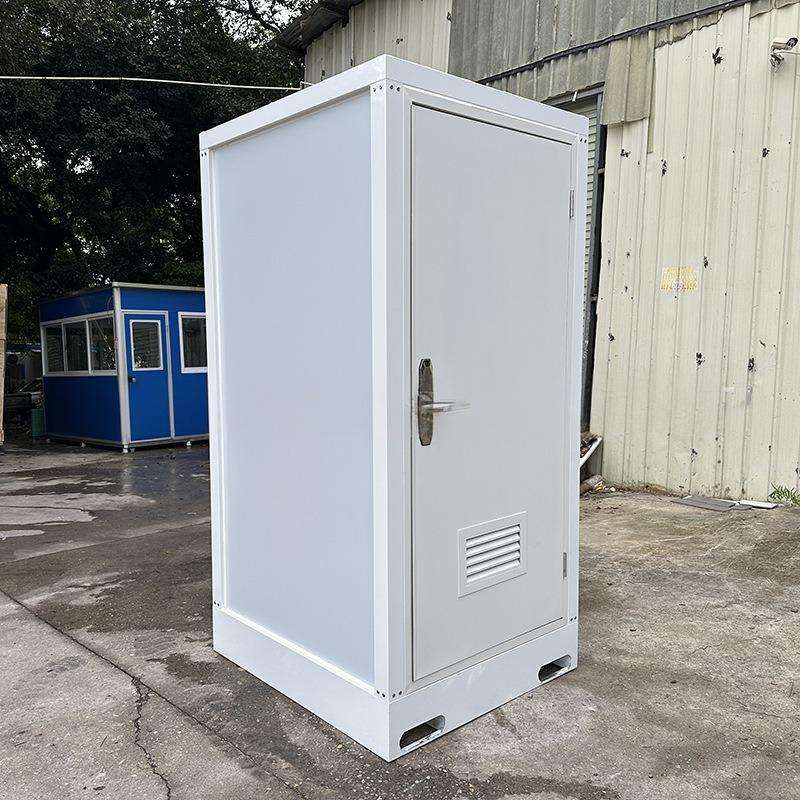
Optimization of Wall Insulation Systems: Modular container houses are structured with steel frames and require composite insulation construction to block thermal bridges. Efficient insulation materials such as polyurethane, rock wool, and EPS boards are filled within the wall cavities. These materials have low thermal conductivity, are fire-resistant, have high compressive strength, and are suitable for factory prefabrication. Additionally, optimizing the inner and outer envelope structures forms a complete insulation layer. A moisture-proof and breathable layer is added to the exterior of the wall to prevent the infiltration of external moisture, which could degrade insulation performance. An internal vapor barrier is installed to block indoor moisture from permeating the wall, preventing condensation in low-temperature environments.
Roof Insulation Design: The roof is one of the primary areas for heat loss. In cold regions, container house roofs should adopt a composite structure of 'insulation layer + waterproof layer + protective layer'. The insulation layer should fully cover the roof, including the top of the container and nodes such as eaves and corners, to avoid insulation blind spots. The insulation material should balance insulation performance with snow load resistance and be compatible with roof drainage design to prevent damage from accumulated snow. The waterproof layer should be tightly adhered to the insulation layer, with proper sealing at joints to prevent rainwater infiltration from affecting insulation effectiveness.
Enhanced Sealing Performance: Key points for cold air infiltration and heat loss include module joints, door and window openings, and service penetrations. During module assembly, the joint surfaces should be filled with flexible sealing materials and mechanically fixed to ensure a seamless connection. Doors and windows should be energy-efficient with excellent insulation performance, equipped with double or triple-glazed units filled with inert gas to reduce thermal conductivity. The connection between the door/window frames and the wall should be treated with both sealant and insulation filling material. For service penetrations, dedicated holes should be pre-reserved, and the gaps between the holes and services should be filled with fire-resistant and insulating sealing materials to block heat loss and cold air infiltration while addressing fire and moisture protection needs.
Addition of Thermal Insulation Air Layers: Thermal insulation air layers can serve as air barriers, providing effective insulation. For example, when using polystyrene boards as the insulation layer, steel grids can be installed to create a certain distance between the inner and outer layers, ensuring insulation effectiveness.
Improvement of Insulation Layer Construction: The insulation layer should prevent the formation of cold and thermal bridges, improve the splicing of insulation materials, and pay special attention to insulation treatment at corners and flat surfaces to ensure no cracks at the joints between inner and outer insulation layers.
Active Temperature Control Measures: In cold regions, modular container houses can be equipped with active temperature control systems, such as underfloor heating, to create a stable and constant temperature environment.



