
Modular Assembled Container House
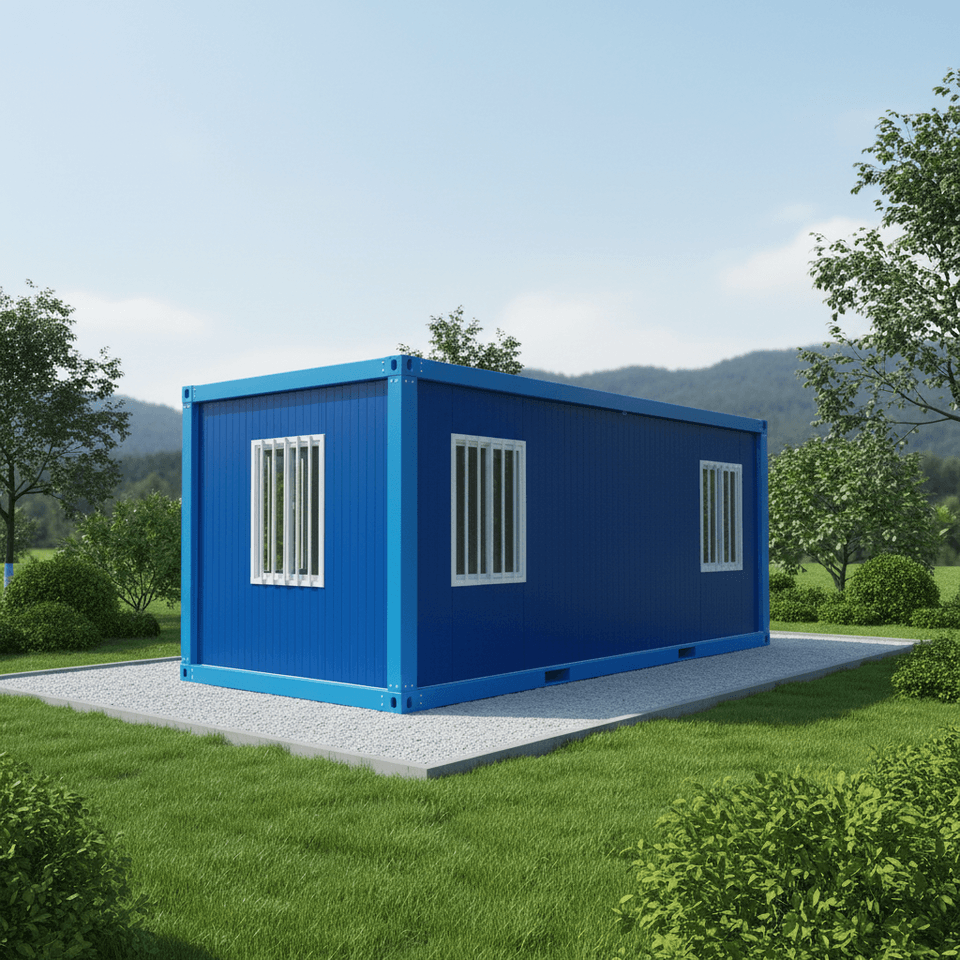
A modular assembled container house is a modular architectural form constructed by combining and assembling containers as basic units.
Origin and Development
Modular assembled container houses originated in the United States in the early 20th century and were initially used for the rapid construction of temporary buildings. In 1987, Phillip C. Clark first proposed a modification patent. In 2006, American architect Peter DeMaria designed the first double-story container house certified by the national authorities. In 2008, CIMC quickly built a container school that could accommodate a thousand people after the Wenchuan earthquake. In 2010, China initiated the compilation of the Technical Specification for Modular Combined Container Houses. In 2012, CIMC created the world's first recyclable container hotel for the United Kingdom. In June 2020, the first integrated housing production line was officially put into operation at the Yuzhong Innovation Science and Technology Park of Gansu Construction Investment Group. In 2026, Guangzhou City introduced measures to accelerate the development of modular buildings and issued a notice on strengthening the whole-process quality control of modular buildings. In April of the same year, the 139th Canton Fair set up a special zone for 'Integrated Houses and Courtyard Facilities' for the first time.
Structure and Materials
It adopts a steel frame structure, with corrosion-resistant steel plates and environmentally friendly panels as the core materials. Combined with ship corrosion prevention technology, its service life can reach more than 20 years, and it supports customized design in standard sizes ranging from 20 to 60 feet. The frame of a quick-assembly residential container house consists of 8 corner fittings, 4 columns, and 8 crossbeams. It is made of 16*16cm channel steel with a thickness of 2.3mm and is sprayed with high-temperature baking paint for rust prevention.
Advantages and Characteristics
Rapid Construction: The main structure, interior decoration, and equipment pipelines are prefabricated in the factory and then transported to the construction site for rapid assembly like 'building blocks', shortening the construction period by more than 50%. Low Cost: The short on-site construction period reduces the constraints of local labor, resulting in significant savings in labor costs. Portability: It is easy to transport and redeploy, making it applicable to various scenarios. Environmentally Friendly: It generates less construction waste, and the lightweight steel structure modules can significantly reduce the consumption of foundation and main structure materials. Quality Control: Factory prefabrication ensures a high degree of quality standardization. Flexible Disassembly and Recycling: The product adopts a modular design with a high degree of factory prefabrication, enabling rapid assembly, foldable transportation, and recycling.



