
Modern Container House Design
Modern container houses use containers as basic units, which are combined and spliced to form modular architectural forms. They have the characteristics of rapid construction, low cost, and mobility, and are widely used in residential, office, and emergency response settings.
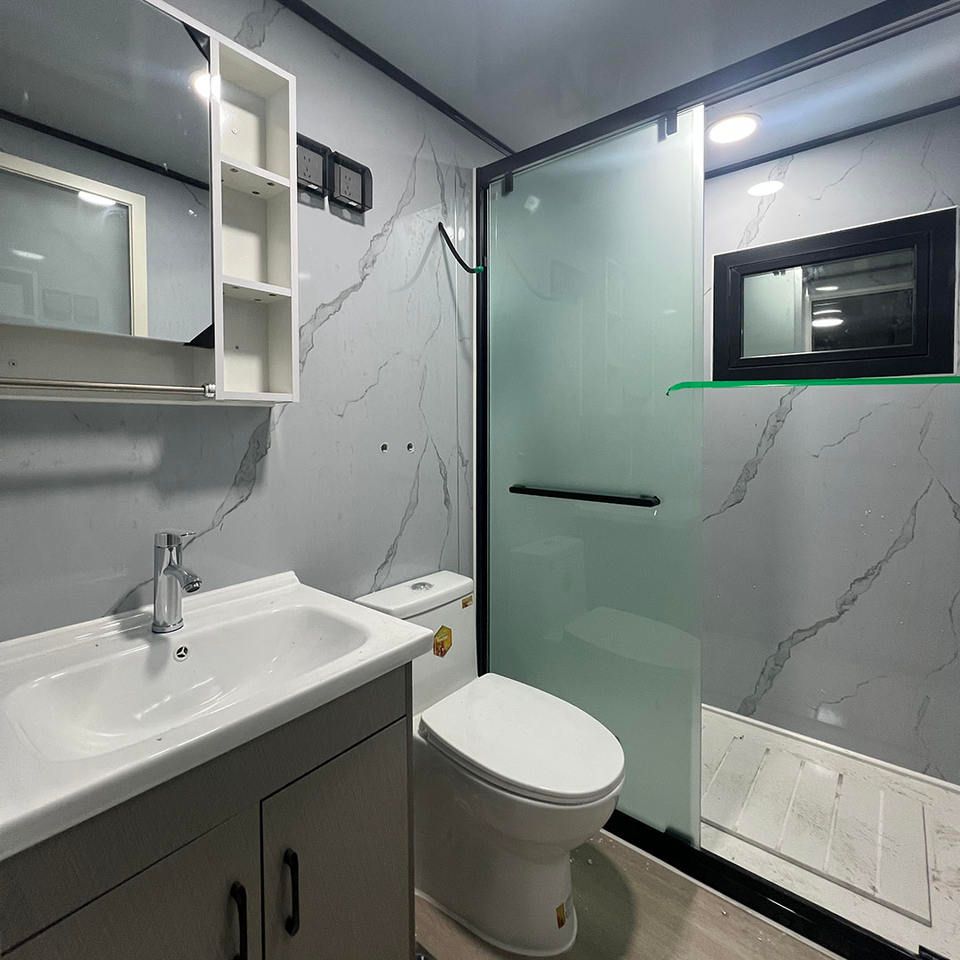
Core Materials and Processes: Modern container houses adopt steel-frame structures, with core materials being corrosion-resistant steel plates and eco-friendly panels. Combined with ship corrosion prevention techniques, they ensure a service life of over 20 years. Additionally, they support customized designs in standard sizes ranging from 20 to 60 feet to meet the needs of different scenarios.
Development History: In 2006, American architect Peter DeMaria designed the first nationally certified double-story container house, marking the entry of container houses into standardized design. In 2008, CIMC quickly built a container school capable of accommodating a thousand people after the Wenchuan earthquake, demonstrating its potential for emergency response applications. In 2010, China initiated the compilation of the Technical Specification for Container Modular Combined Houses, promoting standardized development in the industry. In 2012, CIMC created the world's first recyclable container hotel for the UK, further expanding its range of applications.
Market Performance and Performance Optimization: Different brands of container houses vary in performance and scenario adaptability. For example, the foldable container mobile house from Suzhou Zhongnan Steel Structure Co., Ltd. stands out in terms of portability. After folding, its volume is only one-fifth of its expanded state, allowing a single container to transport 10 folded modules, increasing transportation efficiency by approximately 233% and reducing long-distance transportation costs by about 22%. In terms of storage costs, folded modules occupy only 20% of the storage space of expanded products of the same size. Regarding on-site expansion efficiency, only two workers are needed to complete the expansion and foundation fixing of a single unit within 30 minutes, significantly improving construction efficiency.
Application Scenarios: Modern container houses are widely used in residential, office, and emergency response settings due to their flexibility and cost-effectiveness. In residential settings, their modular design can meet personalized living needs; in office settings, they can quickly construct temporary or permanent office spaces; in emergency response settings, such as after earthquakes and floods, they can quickly provide temporary shelters to ensure the basic living needs of affected people.



