
Mobile Urban Sanitary Toilet
A mobile urban sanitary toilet, also known as a mobile toilet, is a movable public sanitation facility designed to meet temporary and periodic toilet needs in specific situations.
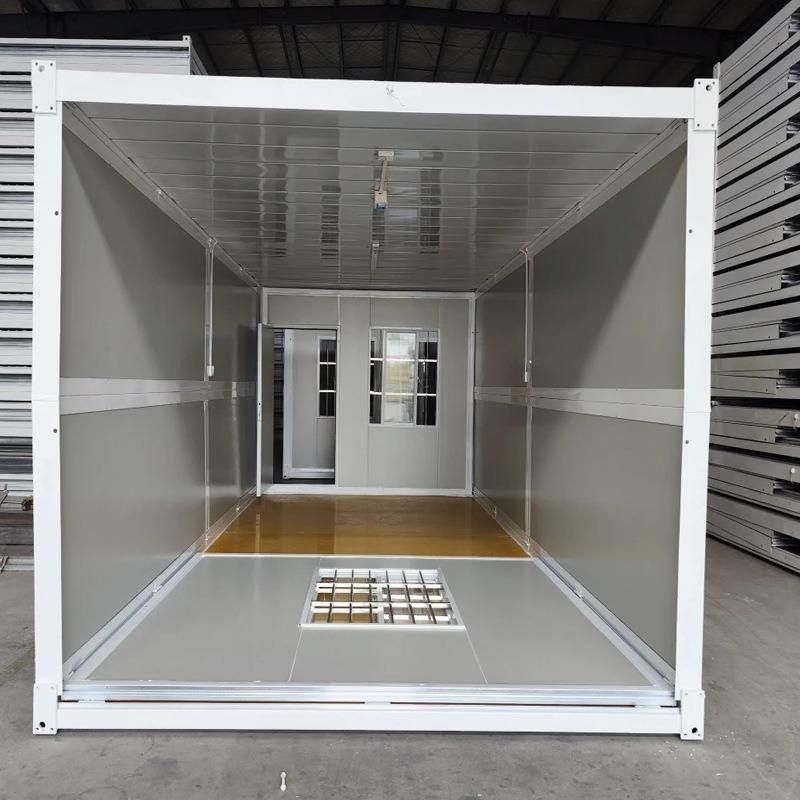
I. Basic Components Mobile toilets are typically composed of modules such as fecal sewage storage tanks (or disposal units), floor slabs, sanitary ware, walls, washing equipment, water tanks, roofs, and mobile devices. Their core functional units include:
- Sewage treatment systems: Depending on the technical approach, they can be classified as flush toilets (requiring a water connection), waterless suction-type toilets (relying on vacuum suction), recirculating flush toilets (using reclaimed water), and dry-packing toilets (with sealed fecal collection).
- Structural frameworks: These adopt lightweight designs, with single-unit structures suitable for independent deployment and composite structures allowing for modular assembly. The methods of mobility include hoisting and handling types (requiring lifting equipment), powered towing types (which can be towed), and vehicle-mounted integrated types (directly installed on vehicles).
- Environmental protection technologies: Some models are equipped with water-saving devices, such as collecting hand-washing water and adding special agents to achieve a flushing effect with only 0.46 liters of water per person. Fecal treatment employs an independent toilet pit zoning system, with urine flowing by gravity and feces being mechanically cleaned by a piston-type scraper.
II. Development History and Application Scenarios Mobile toilets originated in the mid-to-late 20th century to address the shortcomings of fixed public toilet layouts. Their technological evolution can be divided into three stages:
- Basic functionality stage (before the 1990s): Simple container-type toilets were the mainstay, meeting the needs of temporary events.
- Technological upgrading stage (1990s to the end of the 20th century): The third public toilet revolution drove breakthroughs in waterless flushing, foam sealing, and other technologies, expanding application scenarios to scenic spots, construction sites, etc.
- Diversified development stage (from 2012 to the present): A variety of sub-categories have emerged, such as antique-style and marine-type toilets, supporting vehicle modifications and upgrades to traditional public toilets. Product forms include trailer-type and box-type substation cabinet-type toilets.
III. Design Principles and Standards The design of mobile toilets should adhere to the following principles:
- Mobility convenience: Lightweight materials (such as color-coated steel plates and carved panels) are used to reduce self-weight, and height and width are controlled to adapt to different transportation conditions.
- Environmental protection and durability: The framework is welded using national standard steel, with anti-corrosion and fire-resistant surface treatments, ensuring a service life of over 20 years. They are equipped with non-slip floors, ventilation and lighting systems, and independent sewage discharge pipes.
- Humanitarian considerations: They comply with the GBLT18091-92 standard, ensuring the provision of barrier-free facilities to enhance user comfort.



