
Mobile Toilets for College Students
The application of mobile toilets in scenarios related to college students takes various forms, including practical designs that meet actual needs and controversial cases arising from formalism.
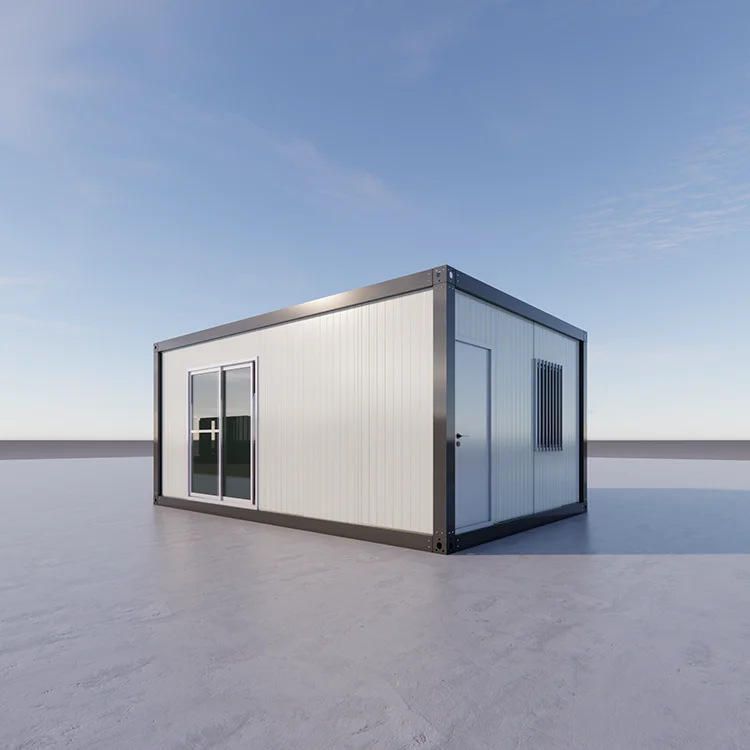
1. Campus-Specific Mobile Restrooms: Combining Functionality and Environmental Protection
Mobile restrooms installed on campus serve as solutions for outdoor activities or temporary needs of teachers and students. These toilets use eco-friendly materials, reducing odors through biodegradation or recirculating water systems, and comply with pollution-free emission standards. Their specifications are typically designed according to standard public restroom standards, ensuring structural safety and durability to withstand natural elements like wind and rain. Pricing starts at 600 yuan per square meter, with support for customization services such as adjusting dimensions, adding accessibility features, or decorative styles. Sales cover areas like Beijing and Tianjin, suitable for scenarios such as sports meets and club activities, effectively alleviating outdoor restroom pressure.
2. "Formalistic" Restrooms in Dormitories: Controversial Cases of Misaligned Needs
Some universities, in an effort to meet "restroom coverage" targets during dormitory renovations, forcibly install squat toilets in limited spaces. These designs have significant flaws: iron sheet partitions provide only basic shelter, lattice structures lead to sewage overflow, shoebox-sized water heaters fail to meet basic water needs, and a lack of ventilation systems results in dampness and odor accumulation. More critically, these renovations neglect student privacy protection, such as the absence of independent locks or soundproofing measures, and even impact daily activities due to cramped spaces. This "target-oriented" rather than "need-oriented" approach reveals a disconnect between management and reality, sparking student dissatisfaction with campus administration.
3. Mobile Toilets for College Entrance Exams: A Manifestation of Humanized Services
During major exams like the college entrance exam, mobile toilets set up around test sites represent thoughtful measures to serve examinees and their parents. These toilets are typically equipped with sufficient stalls, sinks, and consumables like tissue paper, with dedicated personnel assigned for regular cleaning to prevent long queues or hygiene issues. Some regions further enhance the user experience by adding accessibility features and temporary signage. Such designs, centered on actual needs, reflect the importance educational institutions place on social services, becoming effective means to boost public satisfaction.
In conclusion, the application of mobile toilets in scenarios related to college students should adhere to the basic principles of functionality, privacy, and environmental protection, avoiding formalistic designs to truly serve the needs of teachers and students.



