
Mobile Toilet with Window
Some models of mobile toilets come with windows, but not all mobile toilets are equipped with them as standard. The design of mobile toilets varies due to factors such as type, purpose, and cost, and the presence of windows needs to be analyzed in conjunction with specific models. Here is a detailed explanation:
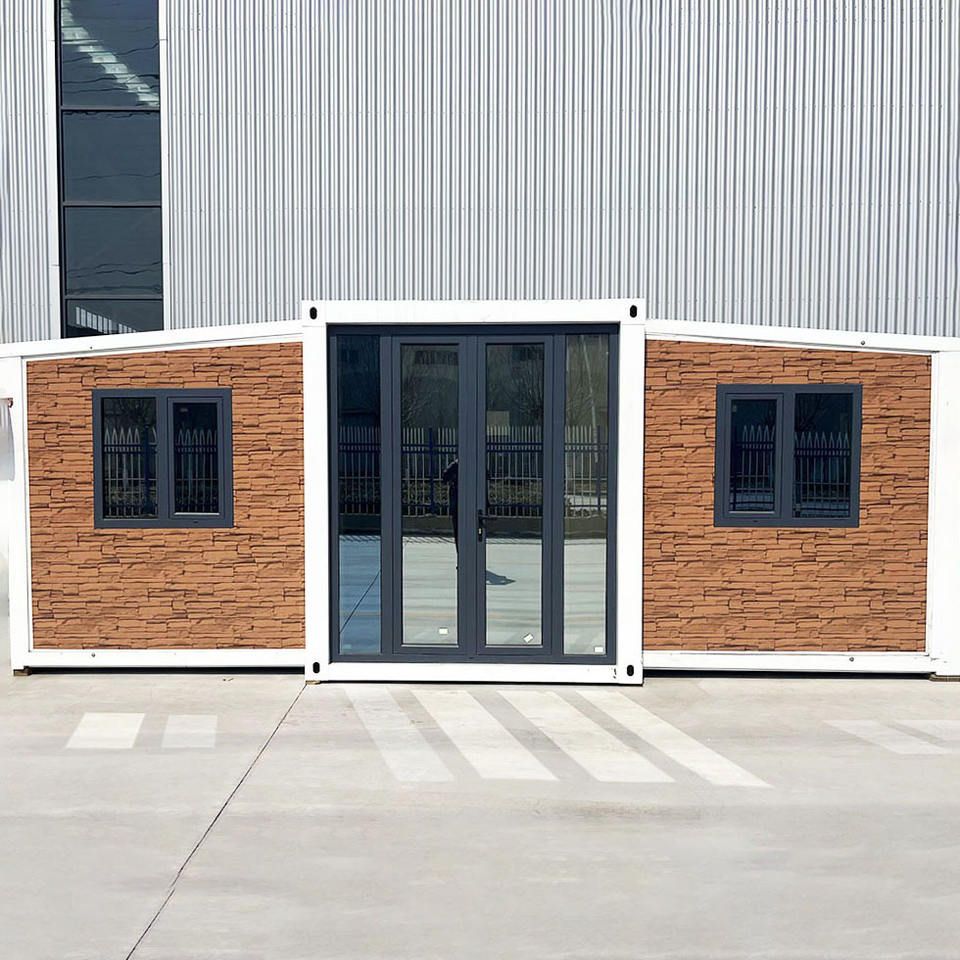
1. Economical and practical mobile toilets usually come with windows
Some economical and practical mobile toilets are designed with sliding windows on the front wall to enhance ventilation and lighting. These windows are often made of plastic or aluminum alloy and are relatively small in size (usually 0.5-1 square meters), which can meet basic ventilation needs while preventing rainwater infiltration. For example, the window design of mobile toilets used in some scenic spots or temporary event venues can effectively reduce internal odors and reduce lighting energy consumption during the day. The opening method of these windows is mainly sliding, which is easy to operate and takes up little space, suitable for the compact structure of mobile toilets.
2. High-end customized mobile toilets may be equipped with larger windows
For long-term use or high-end scenarios (such as commercial districts and high-end exhibitions), some mobile toilets adopt customized designs and are equipped with larger windows or skylights. These windows may use double-glazed glass, which combines sound insulation and heat insulation functions while improving internal comfort. For example, some eco-friendly mobile toilets introduce natural light through skylights to reduce the use of artificial lighting; some barrier-free mobile toilets have low-position windows on the side walls to facilitate use by special groups. However, such designs increase manufacturing costs, so their popularity is relatively low.
3. Simple or temporary mobile toilets usually have no windows
Some low-cost simple mobile toilets (such as single-pit plastic toilets) may omit window design to simplify the structure and reduce weight. These toilets rely on mechanical ventilation systems (such as exhaust fans) to maintain air circulation, and internal lighting depends entirely on artificial lighting. For example, mobile toilets used in construction sites or emergency relief scenarios usually adopt windowless designs to reduce the risk of damage due to the need for rapid deployment and frequent movement.
Summary: Whether a mobile toilet has a window needs to be judged based on the specific model. If ventilation or lighting is required, economical and practical models or high-end customized models can be prioritized; if only basic functions are needed, windowless simple mobile toilets can also meet the requirements. When purchasing, it is recommended to comprehensively consider the usage scenario, budget, and functional requirements.



