
Volver al blog
Artículo
Mobile Toilet Wiring
Admin 20 de septiembre de 2026
The installation of wiring for mobile toilets must strictly adhere to safety regulations, covering various aspects such as selection, laying, protection, and management. Specific requirements are as follows:
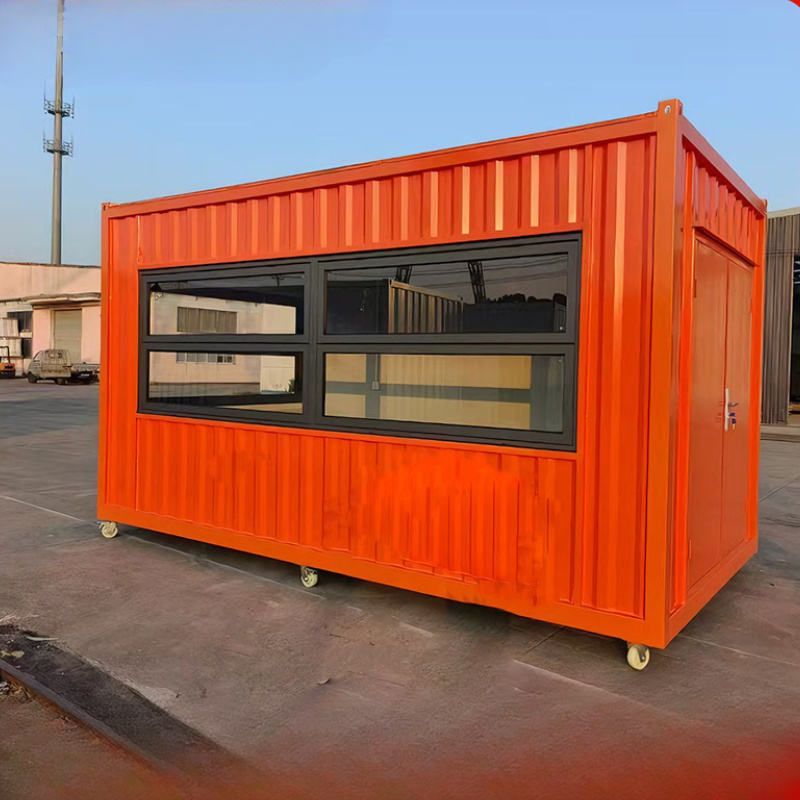
1. Wire Selection and Protective Devices
- Cable Type: Waterproof and sun-resistant cables with strong weather resistance should be selected to adapt to high-temperature or humid environments and prevent insulation aging. If the circuit length exceeds 10 meters, a residual current device (RCD) must be installed to prevent electrical accidents caused by leakage.
- Distribution Box Configuration: The power supply system should have an independently set distribution box equipped with an RCD to ensure that the total current does not exceed the rated power of the equipment. The distribution box should be installed in a dry and ventilated location, with rainproof facilities on the box body. The internal circuit breaker should match the equipment power. Unauthorized connections or overloading are strictly prohibited, and sockets should not be directly connected to high-power equipment.
2. Circuit Laying Specifications
- Overhead Wiring: The height above the ground should be no less than 4 meters. When fixed along walls, insulated porcelain insulators should be installed. Direct wrapping around trees or metal components is prohibited to prevent wire wear or short circuits.
- Underground Cables: The burial depth should be no less than 0.7 meters, and the distance from building foundations should be maintained at more than 1.5 meters. When crossing roads, galvanized steel pipes should be used for protection to avoid external damage.
- Safety Distance: The circuit route should be kept away from fire sources, heat sources, and sharp objects to avoid crushing or squeezing. Socket interfaces should be equipped with waterproof covers, and cable joints should be sealed with insulating tape and waterproofed to prevent electric shock risks.
3. Grounding and Electrical Safety
- Grounding Requirements: All mobile toilets must be reliably grounded, with the grounding resistance controlled within 4Ω. The grounding electrode should be made of galvanized steel pipes or angle steel, with a burial depth of no less than 0.6 meters. Regularly test the grounding effectiveness to ensure that the leakage current can be quickly导入 (imported/conducted) into the ground in case of leakage.
- Daily Inspections: Before daily use, check for wire damage or overheating and whether the grounding resistance of the distribution box is ≤4Ω. During the rental period, check daily for loose wire connections or cable damage, and focus on inspecting for leakage after rain. If aging or abnormalities are found, stop use immediately and contact a professional for repair.
4. Warning Signs and Emergency Management
- Warning Signs: The power supply circuit should be equipped with obvious warning signs and reflective strips at night to prevent non-professionals from touching it.
- Zonal Control: Mobile toilet concentration areas should have independent power supply circuits, zonal controlled with other temporary electrical equipment to reduce the impact range of faults.
- Emergency Response: Regularly conduct insulation tests. Before thunderstorms, disconnect the temporary power supply to ensure reliable equipment grounding and prevent lightning strikes or electrical accidents.
Relacionados



