
Mobile Toilet Waterproof Treatment
The waterproof treatment of mobile toilets requires a comprehensive approach encompassing material selection, key-part design, structural optimization, and maintenance.
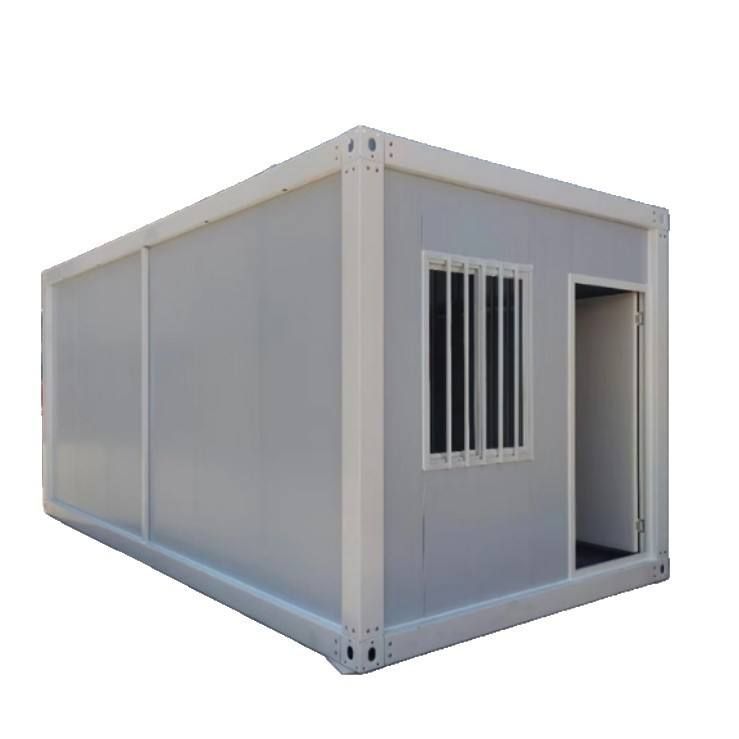
Firstly, selecting materials with excellent waterproof performance is fundamental. For the construction of mobile toilets, priority should be given to using materials such as waterproof adhesives, waterproof coatings, waterproof rubber, and waterproof asphalt. These materials can effectively prevent water penetration and protect the internal structure from erosion. For example, a waterproof coating can be applied to the outer layer of the toilet body to enhance overall waterproofing.
Secondly, strengthening the waterproof design of key parts is crucial. Sealing strips should be installed on toilet doors and windows to prevent water from entering through gaps. Special treatments should be carried out in areas such as drainage outlets and pipes, such as installing waterproof membranes or bags to ensure no water leakage. The joints of the toilet body should be treated with sealing strips, and waterproof thresholds should be installed on door frames to prevent rainwater from flowing back. These measures can significantly improve the waterproof performance of mobile toilets.
Furthermore, a multi-layer structural design is key to achieving waterproof performance. The main body of the mobile toilet adopts a welded structural box, ensuring overall strength and sealing through fine welding techniques. The box material is usually high-strength galvanized steel plate or stainless steel, with anti-corrosion treatment on the surface to resist environmental erosion from rain and ultraviolet rays. This structural design not only enhances the durability of the mobile toilet but also effectively improves its waterproof effect.
Finally, regular maintenance and upkeep are necessary measures to maintain waterproof performance. Clean and disinfect the internal sanitary facilities and layout to prevent dirt accumulation from damaging the waterproof layer. Inspect and maintain the drainage and ventilation systems to ensure they are unobstructed and prevent water accumulation due to blockages. These maintenance measures can extend the service life of mobile toilets while maintaining their waterproof effect.



