
Where Does Waste from Mobile Toilets Go?
The disposal methods for waste from mobile toilets are diverse, depending on the type of toilet and its supporting facilities. These methods mainly include direct discharge, collection and transfer, discharge after technical treatment, or resource utilization.
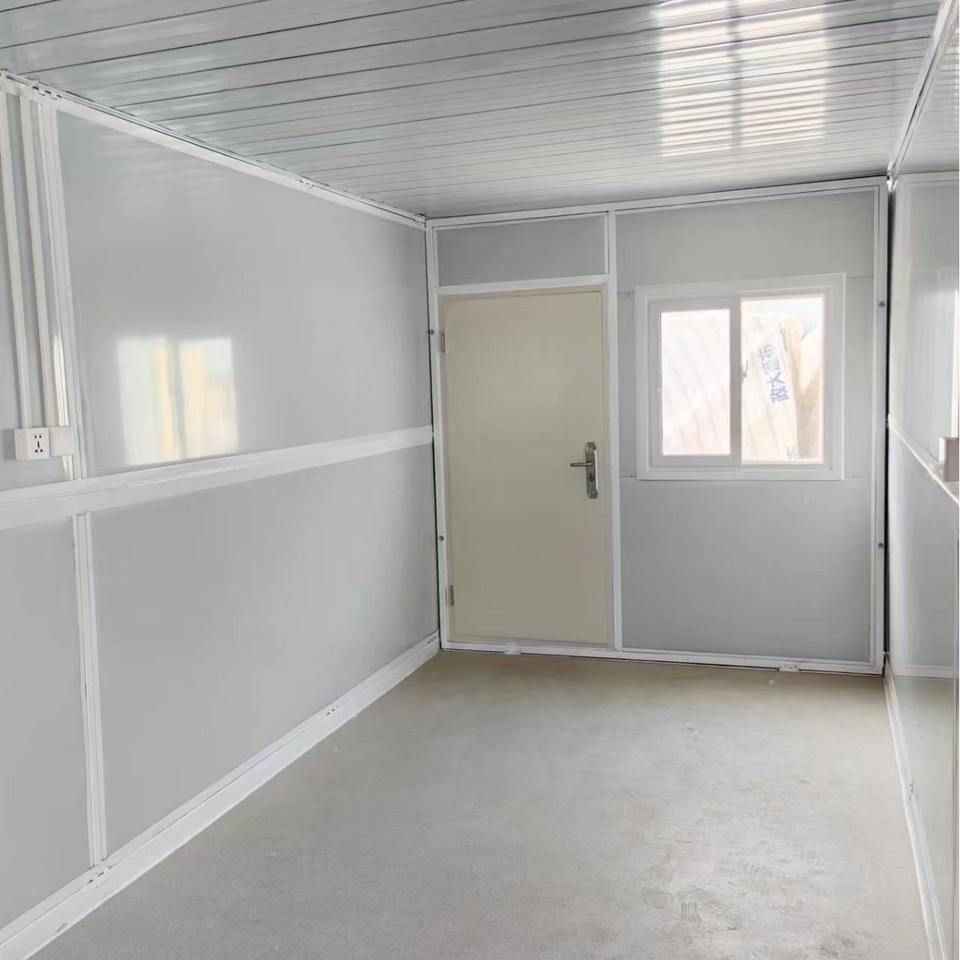
Direct Discharge and Collection in Waste Tanks
Some mobile toilets are constructed with color-coated steel plates and connected to water supply and drainage pipes for direct discharge, with waste entering municipal sewage networks or septic tanks. In the absence of piping, waste tanks are used to collect excreta, which requires regular cleaning and transfer to treatment facilities. This method is suitable for fixed locations or areas with infrastructure, offering simple operation but relying on external drainage systems.Vacuum Sewage Pumps or Sealed Sewage Trucks for Transfer
Vacuum sewage pumps or sewage pumps are installed beneath the toilet units to suck excreta through pipes into collection tanks, ensuring cleanliness and minimal odor while having a small environmental impact. Sealed sewage trucks directly collect waste and transport it to sewage treatment plants for centralized processing. These methods are commonly used in public places such as scenic spots and construction sites, ensuring hygiene and safety while avoiding secondary pollution.Disposal Methods Corresponding to Different Treatment Technologies
- Water-flush and Waterless Suction Types: Water-flush toilets use water tanks to flush waste into bottom sewage tanks, requiring regular suction; waterless suction types directly collect excreta in sewage tanks, also necessitating frequent suction and transfer.
- Recirculating Water-flush Type: Utilizes biofilm technology to treat sewage, with purified water recirculated for flushing, reducing water consumption.
- Dry Packaging Type: Uses biodegradable plastic bags to collect excreta, which is then transported to treatment plants, avoiding leakage risks.
- Foam Sealing Type: Covers the toilet with foaming liquid to suppress bacterial transmission and uses less water, with excreta requiring regular suction and transfer.
- Microbial Degradation Type: Solid waste is mixed with wood chips and microbial strains for fermentation, decomposing into carbon dioxide and water; urine is treated into reclaimed water for reuse, with no pollution emissions throughout the process and organic fertilizer production.
- Vacuum Suction Type (Vehicle-mounted Mobile Toilets): Uses vacuum pumps to suck excreta into collection tanks, saving water and facilitating transportation and treatment, suitable for mobile scenarios.
- Resource-based Zero-discharge Technology: For example, closed-loop fermentation converts sewage into organic fertilizer and water vapor, achieving zero emissions and significant environmental benefits.
Traditional Drainage Ditch Discharge
In remote areas or those with weak infrastructure, mobile toilets may discharge sewage through drainage ditches. However, regular cleaning and maintenance of the ditches are required to prevent blockages and environmental pollution. This method has limited applicability and poses hygiene risks.



