
Mobile Toilet Ventilation System Illustration
Currently, there is no complete illustration of the mobile toilet ventilation system, but its composition can be understood through descriptions of its working principle and structure.
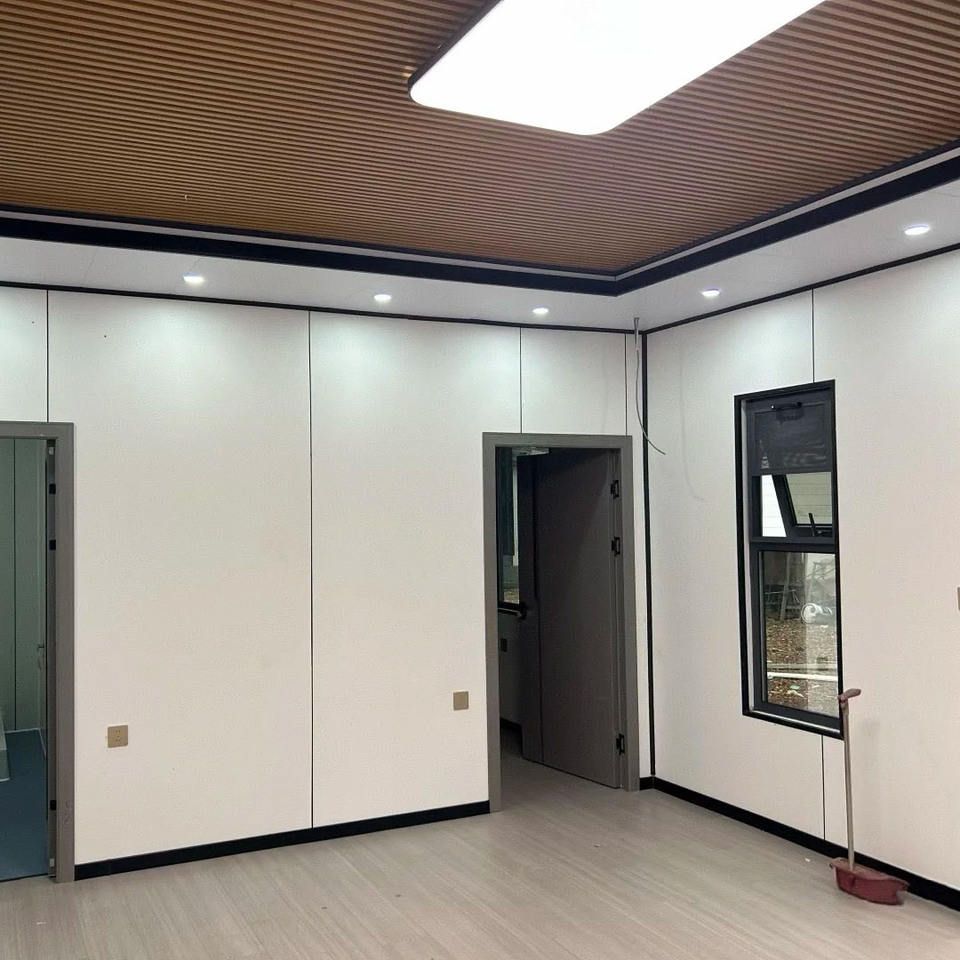
Mobile toilet ventilation systems are mainly divided into two types: natural ventilation and mechanical ventilation. Some high-end models adopt a combined fresh air and exhaust system design, as detailed below:
I. Natural Ventilation System (Passive) This system relies on the principle of hot air rising to form air circulation without the need for additional power. Key components include:
- Top exhaust pipe: Typically a vertical pipe with an elbow at the end for rain protection, with the opening facing upwards to utilize the chimney effect to expel hot exhaust air.
- Bottom air intake or door gap: Fresh air enters from the bottom, and some designs use one-way valves to prevent odor backflow. Working process: The heat generated by human activity or waste causes the air inside the toilet to warm up. The hot air rises and is expelled through the exhaust pipe, while external cold air enters from the bottom or door gap, creating a continuous cycle. This method is low-cost, but its ventilation efficiency is greatly affected by environmental wind speed and temperature differences, making it suitable for temporary or low-density usage scenarios.
II. Mechanical Ventilation System (Active) This system uses electric equipment to force air exchange, significantly improving ventilation efficiency, and is mostly used in high-end or long-term mobile toilets. Core components include:
- Electric exhaust fan: Installed on the top or side wall, it can be timed to start and stop or automatically activated by infrared sensors (e.g., triggered when someone uses the toilet).
- Control module: Some systems are equipped with a delayed shutdown function. For example, after pressing the exhaust fan button once, the system continues to ventilate for 20 minutes before automatically stopping, and the exhaust function is performed by a fresh air unit, with the exhaust fan not directly installed on the ceiling.
- Filter device: High-end models have activated carbon filters in the exhaust path to adsorb odor molecules and reduce environmental impact. Working advantages: The exhaust volume is much greater than that of natural ventilation, quickly diluting odors and moisture, and energy consumption can be optimized through intelligent control.
III. Combined Fresh Air and Exhaust System This system integrates fresh air intake and exhaust functions, achieving bidirectional airflow management through a single device. After the user presses the exhaust fan button, the system starts exhausting air and simultaneously introduces fresh air, automatically shutting down after 20 minutes. This design simplifies the piping layout and saves space, but it is necessary to ensure that the fresh air and exhaust paths are independent to avoid cross-contamination.



