
How to Use a Mobile Toilet Vehicle
The usage method of a mobile toilet vehicle is as follows: After arriving at the designated location, the vehicle is unfolded, and internal facilities are used for toilet and cleaning purposes. After use, it can be relocated or cleaned without the need for fixed plumbing support.
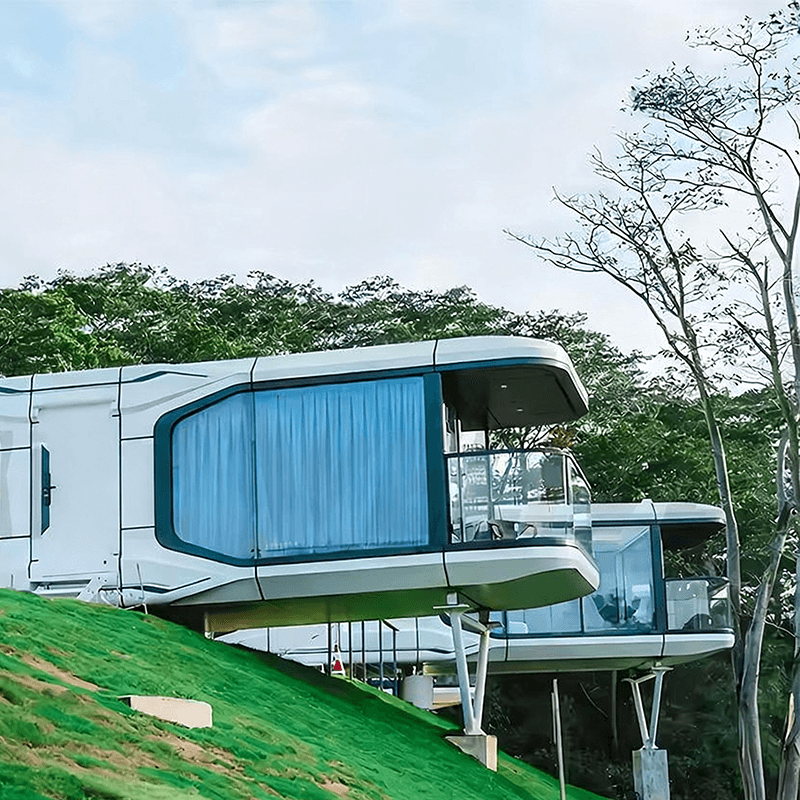
The usage process of a mobile toilet vehicle can be divided into three stages: unfolding preparation, internal use, and post-use handling. The specific operations and principles are as follows:
I. Unfolding Preparation Stage After arriving at the target location, the vehicle needs to be unfolded using hydraulic devices or mechanical structures. Once unfolded, the toilet unit automatically connects with the water supply, sewage storage, and ventilation systems. The water supply system is typically fed by an onboard water tank or an external water source (such as a fire hydrant), with a pump delivering clean water to the sink and toilet flushing mechanisms. The sewage storage system uses a sealed waste tank to collect feces and wastewater through gravity or vacuum suction, preventing leakage. The ventilation system continuously exchanges air through roof or side exhaust fans, combined with activated carbon filtration or biodegradation technology to reduce odors. The unfolding process does not require complex tools and can be operated by ordinary personnel after simple training.
II. Internal Use Stage The interior configuration of the toilet unit is similar to that of a fixed toilet, including a squat toilet or sit toilet, sink, lighting fixtures, and handrails. During use, the user triggers the water supply system by pressing the flush button, with clean water flushing the toilet and wastewater flowing through pipes into the sewage tank; wastewater from the sink also enters the sewage system. Some models are equipped with sensor-activated faucets or foot-operated flushing mechanisms to reduce contact contamination risks. The ventilation system operates continuously to ensure fresh interior air, with some high-end models also featuring air purification devices or fragrance modules.
III. Post-Use Handling Stage After use, the vehicle can be quickly folded up and relocated to the next location. If cleaning is required, a specialized interface is used to connect to a sewage suction truck, which pumps the waste from the tank into a transport tanker or directly to a sewage treatment plant. The water supply system requires regular replenishment of clean water, while the sewage storage system can support dozens to hundreds of uses depending on the vehicle model, with a typical cleaning cycle of 1-3 days. The entire process does not require connection to underground plumbing and is suitable for temporary events, disaster relief, construction sites, and other scenarios, offering significantly greater flexibility than traditional fixed toilets.



