
Mobile Toilet Usage Plan
The mobile toilet usage plan should be scientifically planned by combining scenario requirements, configuration standards, and operation and maintenance points, as follows:
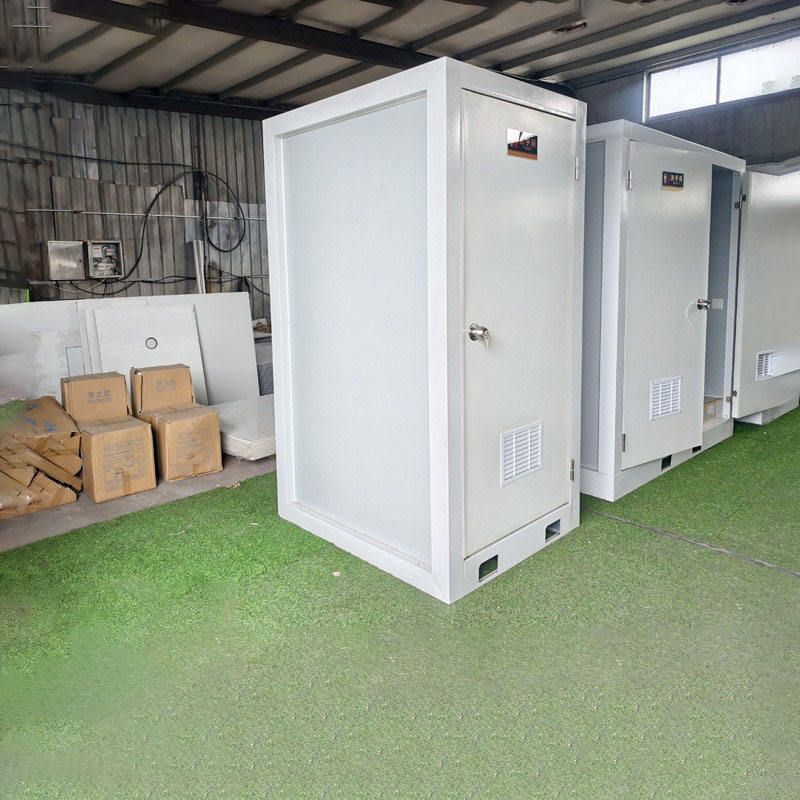
I. Select the type according to the scenario Mobile toilets are divided into three treatment methods: direct-discharge (flushing), packaged (waterless flushing), and foam-blocking. Direct-discharge toilets require connection to water supply and drainage systems and are suitable for venues with infrastructure such as music festivals and sports events. Packaged toilets do not require water and seal excrement in biodegradable plastic bags, making them suitable for scenic spots with water shortages or high environmental protection requirements and remote event locations. Foam-blocking toilets use foaming liquid to suppress odors, save water, and are environmentally friendly, making them the first choice for high-end events. For example, the Nanning International Folk Song Art Festival uses direct-discharge toilets to meet the needs of tens of thousands of spectators, while rural camping sites prefer packaged toilets to reduce environmental impact.
II. Configuration should meet standards According to GB/T 26357 - 2010 and industry standards, qualified mobile toilets should meet the following requirements:
- Capacity: The volume of a single sewage tank is 150L-300L, which can support 200-400 people (adjustable according to frequency of use);
- Ventilation: Forced exhaust at the top or natural ventilation windows to avoid odor accumulation;
- Lighting: Equipped with LED lights inside to ensure safety at night;
- Basic configuration: Toilet paper holders, handrails, hooks, and mirrors are standard, and sinks are optional.
III. Scientifically plan the quantity and layout Configure toilet stalls according to the scale and duration of the event: In general scenarios, there should be one toilet stall for every 50-100 people, and during peak periods (such as after performances), it should be increased to one stall for every 30 people. For large-scale events, they should be arranged in groups at key areas such as entrances, main stages, and dining areas to avoid queuing and congestion. For short-term construction projects, they can be evenly distributed along the perimeter of the construction site to improve worker efficiency.
IV. Operation and maintenance and safety points
- Sewage cleaning: Before leasing, confirm whether the service provider offers regular pumping services. It is recommended to clean every 2-3 days or every 500 person-times;
- Fixing measures: For sites with strong winds or uneven ground, use expansion bolts or counterweights to fix the toilets and prevent tipping;
- Hygiene and epidemic prevention: Arrange for dedicated personnel to clean and disinfect 2-3 times a day, and increase the frequency during flu seasons or after epidemics;
- Emergency response: In the event of a disaster, prioritize the use of environmentally friendly products with sewage treatment functions and quickly deploy them to the disaster area.
V. Precautions for selecting service providers Give priority to companies with local service stations to ensure quick response to delivery and maintenance needs. Check their additional service capabilities, such as free usage training, garbage removal, and equipment maintenance, which can reduce management costs. For example, mature service providers in cities such as Nanning, Guilin, and Liuzhou offer full-process support.



