
Mobile Toilet Usage Guidelines
The usage guidelines for mobile toilets cover five main aspects: site selection and layout, maintenance and cleaning, usage behavior, safety and emergency management, and pre-rental preparations, as detailed below:
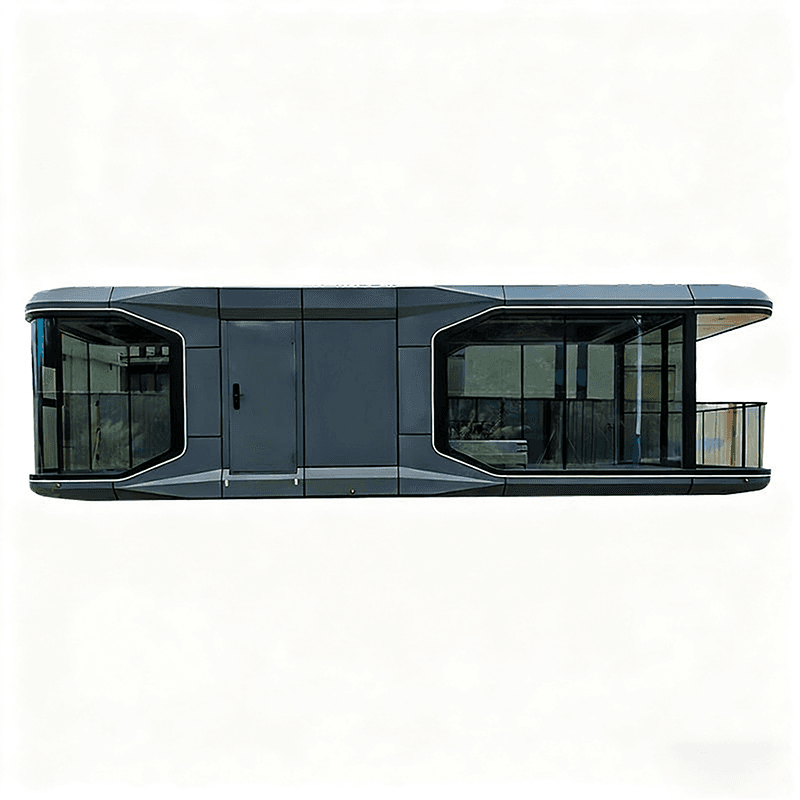
I. Site Selection and Layout Guidelines Mobile toilets should be placed in well-ventilated, dry areas with firm and slip-resistant ground, avoiding low-lying areas prone to water accumulation, steep slopes, and areas at risk of vehicle碾压 (crushing). When used outdoors, they should be kept away from flammable and explosive materials, kitchens, and garbage dumping sites, with measures taken for wind, rain, and sun protection. For large-scale events (such as concerts), toilet facilities should be allocated based on audience size, with one toilet per 100-150 people. The recommended gender ratio is 1:1.5, with additional backup toilets provided during peak times and accessible toilets or母婴室 (nursing rooms) set up as needed.
II. Daily Maintenance and Cleaning Standards Clean at least 1-2 times daily, and inspect every 2-3 hours during events. Promptly replace consumables such as toilet paper and hand soap, and clear waste and garbage to ensure no odors or stains. Management personnel should regularly check the condition of components, troubleshoot issues, and ensure proper waste removal and replenishment of degradation agents to meet environmental standards.
III. Usage Behavior Guidelines
- Prohibited Actions: Do not throw cigarette butts, metal objects, large garbage, or flammable and explosive materials into the fixtures. Avoid mixing chemical cleaners with the existing deodorization system. Do not damage equipment with hard objects or vandalize facilities by scribbling.
- Civilized Usage: Open and close doors, windows, and fixtures gently. Children should use the facilities under adult supervision to prevent accidental falls into water or slipping. Report any malfunctions or abnormalities to management personnel promptly and do not attempt unauthorized repairs.
- Priority for Special Needs: Individuals with mobility impairments and those accompanying infants should be given priority access to accessible toilets or nursing rooms.
IV. Safety and Emergency Management Keep mobile toilets away from fire sources. Regularly inspect electrical equipment for proper grounding to prevent electric shock risks. Plan crowd evacuation routes in advance, provide emergency exits, and coordinate with nearby medical facilities to respond to sudden health issues. Regularly inspect the main structure to prevent safety hazards caused by rust or damage.
V. Pre-Rental Preparations Determine the number and type (standard/eco-friendly/accessible) of toilets to rent based on event scale (e.g., 3-5 toilets for over 100 people) and site conditions (ground evenness, drainage facilities). It is advisable to communicate with the rental provider 3-5 days in advance to allow time for transportation and installation.



