
Sharing of Mobile Toilet Usage Experience
The experience of using mobile toilets varies depending on the type and scenario, with environmental protection, convenience, and intelligence as the core advantages overall. However, some types have maintenance costs or limitations in applicable scenarios.
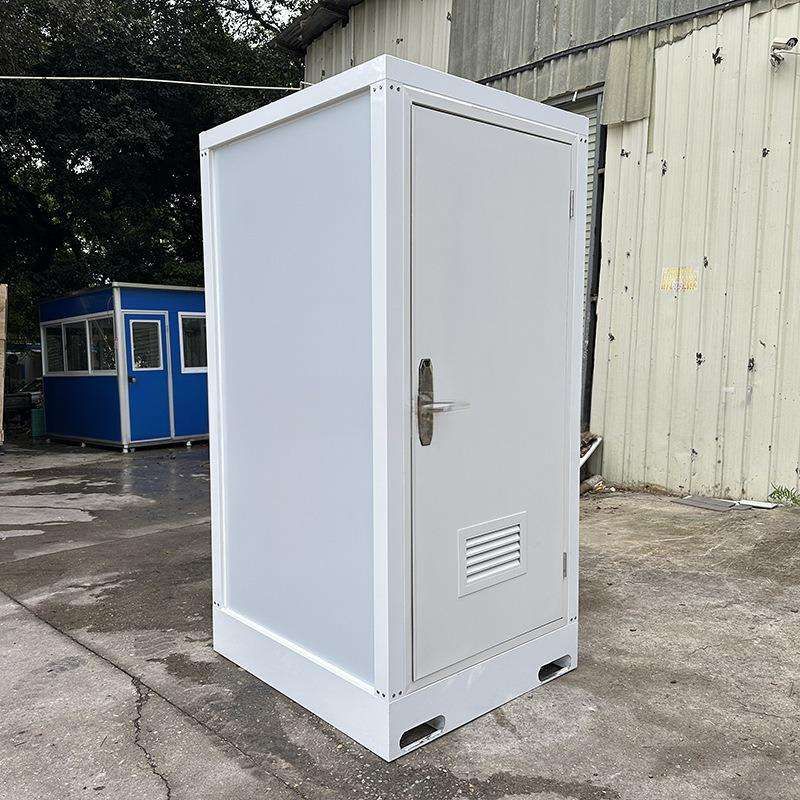
Prefabricated Public Toilets (5G Smart Carbon-Neutral Public Toilets)
These public toilets achieve odorless and scentless conditions through a "three-stage microbial composite bacteria" collaborative treatment system, with only a faint plant fragrance inside the toilet cubicles, completely solving the problem of heavy odors in traditional mobile toilets. In terms of hardware, anti-slip floors, spacious spaces, and a high degree of cleanliness significantly enhance user comfort, contrasting with the cramped feeling of traditional public toilets. Their waterless flushing environmental protection technology converts fecal waste into organic fertilizer through microbial degradation, saving thousands of tons of water annually, especially suitable for water-scarce areas. The intelligent management system monitors data such as foot traffic and energy consumption in real-time through the Internet of Things and AI, dynamically optimizing temperature control strategies and reducing operational and maintenance costs. Additionally, the public toilets incorporate cultural and tourism features, with ultra-high-definition screens for information dissemination and built-in AI recommendations for scenic spots, hotels, and cuisine, forming an ecological loop of "toileting + consumption + low carbon" for a richer user experience.
Zhongyunhui 5G Smart Carbon-Neutral Public Toilets (Urban Park Scenarios)
This type of public toilet emphasizes a "three-no" experience: no water flushing, no odors, and no pollution. An automatic ammonia concentration monitoring and deodorization system ensures fresh air, while a gravity-sensing designed squat toilet automatically opens and closes, with excreta directly entering a microbial degradation tank for efficient organic decomposition. With outstanding environmental performance, a single public toilet saves thousands of tons of water annually, reduces indirect carbon emissions, and achieves resourceful treatment, suitable for public places such as urban parks.
Anhui Waterless Packaging Mobile Toilets for Construction Sites
These toilets automatically seal excreta with built-in packaging bags, requiring no water supply or drainage, saving water and electricity resources, and are suitable for water-scarce construction sites. Their flexible mobility allows for easy relocation, reducing the distance workers need to travel to use the toilet, with compact equipment that does not take up much space. In terms of maintenance costs, the initial purchase cost is slightly higher, but water bills and pipeline installation costs are saved in the long run, with only regular replacement of packaging bags required. However, their applicable scenarios are limited, requiring insulation measures in winter, and for projects lasting more than six months, it is recommended to switch to a more durable type.
Mobile Toilet Seat Chairs (Home Scenarios)
Designed for the elderly, pregnant women, or those with mobility issues, they excel in safety and stability: a thickened steel frame and anti-slip silicone foot pads can support over 150 kilograms, effectively reducing the risk of nighttime falls. Humanized design addresses difficulties in squatting and standing up, enhancing toileting dignity and convenience, especially suitable for special populations in home scenarios.



