
Mobile Toilet Urinal Facility Design
Mobile toilet urinal facility design encompasses aspects such as sanitary fixtures, auxiliary accessories, as well as lighting and ventilation systems, aiming to provide a convenient, hygienic, and comfortable user experience.
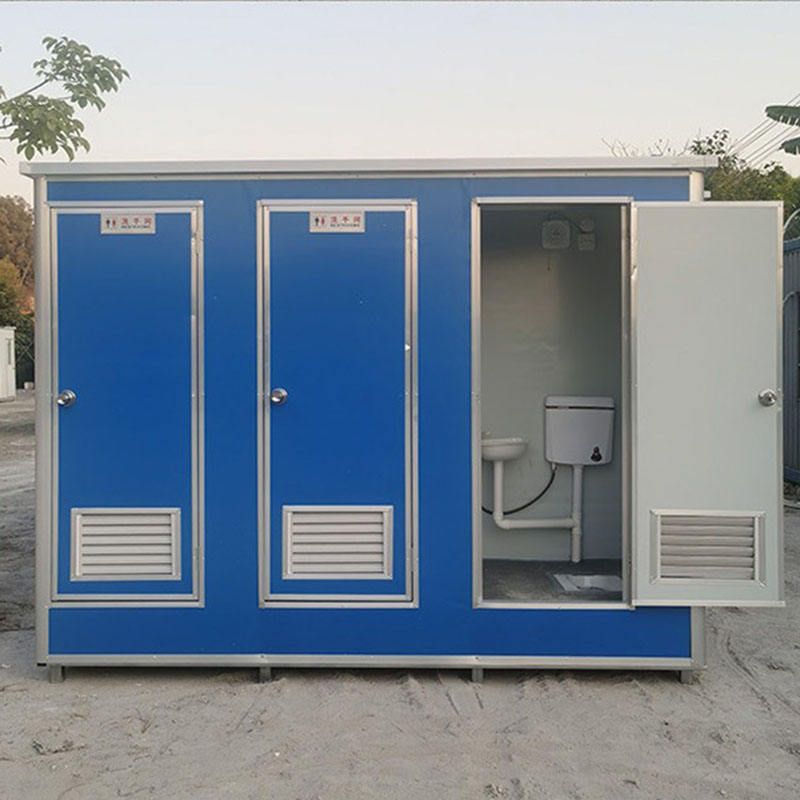
In terms of sanitary fixtures, urinals are installed in men's restrooms or standalone urinal rooms, serving as the core part of urinal facilities. The selection of sanitary ware is crucial, typically requiring characteristics such as water-saving, odor-proofing, and easy cleaning. Water-saving design aligns with current environmental protection concepts, effectively reducing water resource waste. The odor-proofing function is achieved through special structural designs or the use of odor-proof materials, preventing the emission of unpleasant odors and maintaining fresh air inside the restroom. The easy-cleaning feature simplifies daily maintenance, enabling quick removal of stains and odors to ensure hygiene.
Auxiliary accessories are also an important component of mobile toilet urinal facility design. Some urinal facilities are equipped with toilet paper holders in the restrooms, facilitating easy access to toilet paper for users when needed and enhancing convenience. The installation of waste paper containers is used to collect used toilet paper and other waste, preventing random disposal that could cause environmental pollution and keeping the restroom clean. For accessible toilet stalls, handrails are specially installed to provide support and safety for individuals with mobility impairments, reflecting a human-centered design concept and ensuring that different groups of people can use urinal facilities safely and conveniently.
The lighting and ventilation systems play a crucial role in the usage environment of urinal facilities. Energy-efficient lighting fixtures are installed inside to provide sufficient and soft light, facilitating the use of urinal facilities by users at night or in low-light conditions, while also helping to reduce energy consumption through energy-saving design. A forced exhaust system is essential, with a ventilation frequency of no less than 5 times per hour, capable of promptly expelling foul air from the restroom and maintaining air circulation. Some mobile toilets are also equipped with fresh air deodorization systems to further purify the air, remove odors, and create a fresh and comfortable usage environment for users, enhancing the overall user experience.



