
Mobile Toilet Unloading
The unloading of mobile toilets primarily utilizes their frame-type structure for lifting operations.
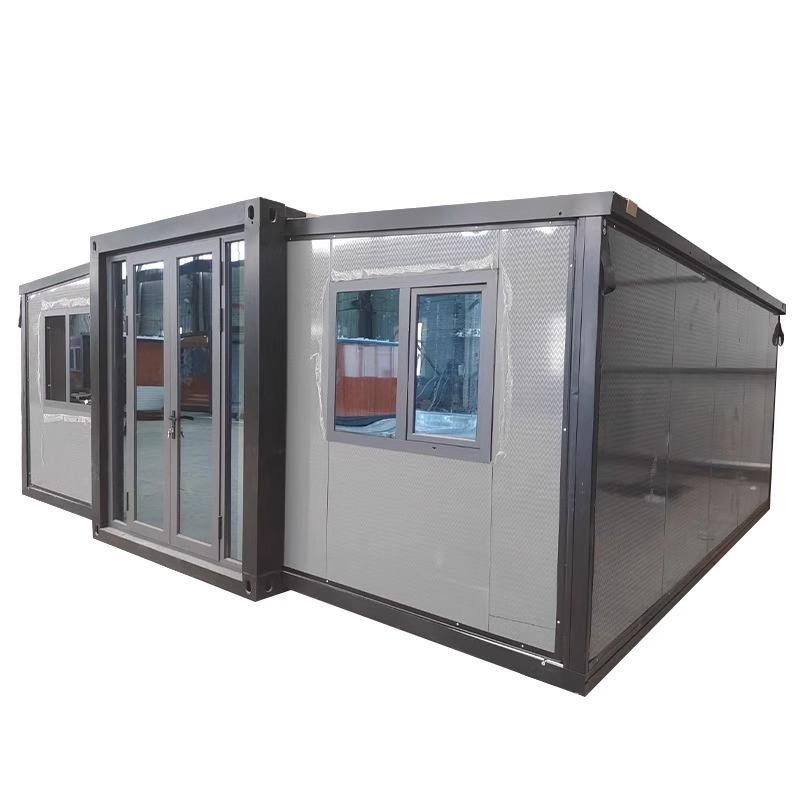
The structure of mobile toilets is unique, typically composed of a frame-type structure welded from steel. In terms of the bottom structure, channel steel or I-beams are used for welding, providing a sturdy base support for the entire mobile toilet, enabling it to withstand a certain amount of weight and pressure. The columns are made of square steel, further enhancing the structural stability and strength. The design of the entire frame-type structure is crucial, as it meets the lifting requirements, which is an important foundation for the mobility and lifting of mobile toilets.
In actual unloading scenarios, taking the mobile toilet unloading site at Langfa Park in Daxing, Beijing as an example, the liftability of mobile toilets is fully demonstrated. During unloading, professional lifting equipment such as cranes are typically used. First, a crane with an appropriate tonnage must be selected based on the weight and dimensions of the mobile toilet to ensure it can safely and stably lift the mobile toilet. Then, the lifting hook of the equipment is connected to the pre-set lifting points on the frame of the mobile toilet. These lifting points are usually determined during the design and manufacturing process to ensure even force distribution during lifting and prevent damage to the mobile toilet.
During the lifting process, operators must strictly follow operating procedures, controlling the speed and angle of lifting to ensure the mobile toilet leaves the transport vehicle smoothly. When the mobile toilet is lifted above the designated location, it is slowly lowered and accurately placed on the pre-prepared foundation. After placement, the mobile toilet must be secured and tested to check if all components are firmly installed and functioning properly, ensuring it can be safely and stably put into use.



