
Is It Difficult to Convert Mobile Toilets into Public Toilets?
The difficulty of converting mobile toilets into public toilets depends on specific scenarios and technological implementation methods, offering overall flexibility but with certain limitations. Detailed analysis is as follows:
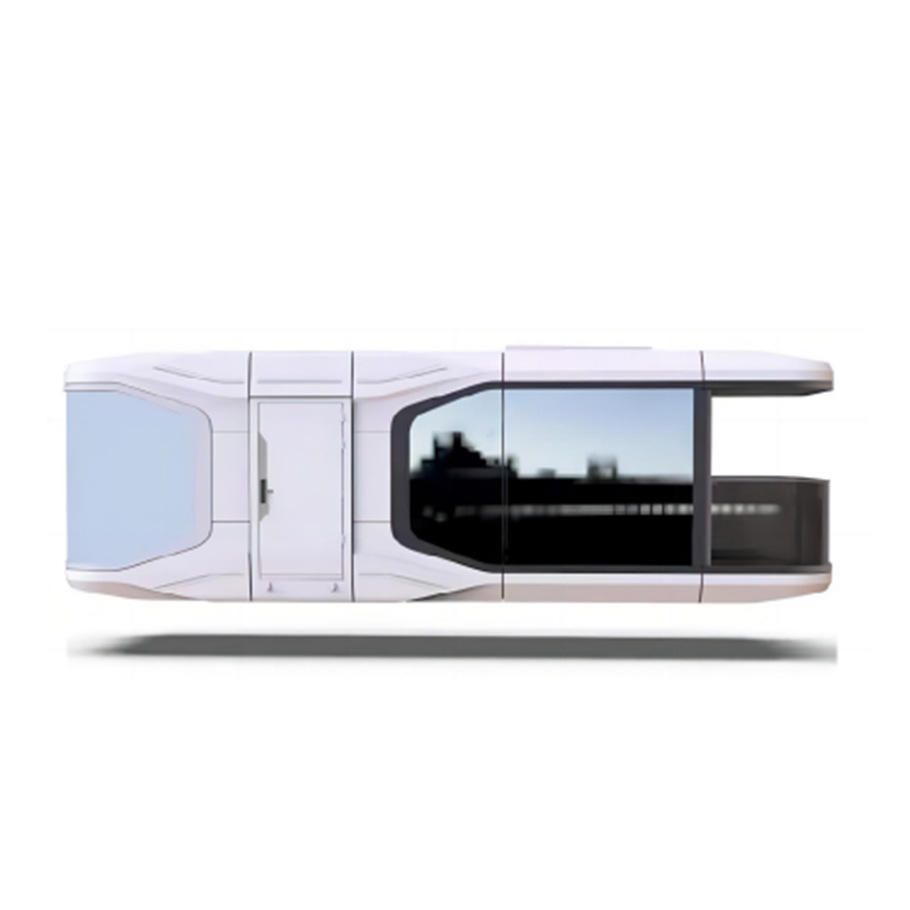
Technological Implementation and Flexibility Advantages
Mobile toilets employ modular designs, eliminating the need for complex civil engineering works. They can be relocated as a whole using lifting or transportation equipment (e.g., fully movable public toilets) or rapidly assembled on-site (e.g., modular public toilets). For instance, in plateau scenic areas or remote mountainous regions, prefabricated public toilets can achieve 'zero emissions' through microbial degradation systems, eliminating the need for water supply and sewage pipelines, and can be deployed within a few days. These technological features provide significant advantages in areas without pipelines, water scarcity, or complex terrain, addressing the infrastructure challenges of traditional public toilets.
Cost and Efficiency Competitiveness
The construction cost of mobile public toilets is relatively low, with standard models costing tens of thousands to hundreds of thousands of yuan, and the construction period is short, requiring only a few hours to a couple of days. In contrast, fixed public toilets require additional land and infrastructure investments, resulting in higher costs. For example, during holidays or road construction in Beijing, mobile public toilets can quickly adjust layouts to avoid resource idleness or capacity shortages, demonstrating their efficiency and cost-effectiveness.
Functional and Durability Limitations
Mobile public toilets typically have smaller internal spaces and simpler facilities, potentially lacking barrier-free facilities or母婴室 (nursing rooms). The durability of materials and structures may also be inferior to fixed public toilets, making them prone to wear and tear or malfunctions after long-term use. Additionally, their environmental protection treatment relies on sewage storage tanks or biodegradation technologies, requiring regular cleaning. Improper management may lead to hygiene issues.
Application Scenario Adaptability is Key
Mobile toilets are suitable for temporary scenarios (e.g., large-scale events, construction sites) or areas where fixed facilities are difficult to cover (e.g., remote scenic areas, disaster zones). For example, Beijing uses data analysis to predict peak人流 (pedestrian flow) and deploys mobile toilets in advance, transferring or recycling them after tasks are completed to achieve dynamic resource matching. However, if they are to permanently replace fixed public toilets, they may face challenges such as insufficient functionality and rising maintenance costs.
In conclusion, the feasibility of converting mobile toilets into public toilets depends on the demand scenario: they offer significant advantages in temporary, flexibility-demanding scenarios but may face challenges in long-term use or scenarios with complex functional requirements.



